Keeping floors clean is one of the most essential tasks in maintaining a tidy, pleasant home. Whether it’s hardwood, tile, laminate, or vinyl, floors face heavy traffic, spills, and dirt daily. A clean floor not only improves the aesthetic of your home but also promotes a healthier living environment. While there are numerous commercial floor cleaners available, many contain harsh chemicals that can be harmful to both your health and the environment.
The good news is that you can create an effective, non-toxic, and budget-friendly floor cleaner that requires no rinsing! This DIY floor cleaner recipe is simple, effective, and works for a variety of floor types. If you’re looking for an easy, safe, and efficient way to clean your floors without having to rinse or use harmful chemicals, this is the ultimate solution.
In this article, we will walk you through:
- The benefits of using a no-rinse floor cleaner
- Why you should make your own floor cleaner
- The ingredients needed for a simple floor cleaner recipe
- Step-by-step instructions for making and using the floor cleaner
- Tips and tricks for keeping your floors cleaner for longer
- How this cleaner can help you save money and reduce waste
Why Use a Floor Cleaner That Doesn’t Need Rinsing?
When it comes to cleaning, the last thing you want to do is waste time with unnecessary steps. Traditional floor cleaning methods often involve mopping the floor with water and then rinsing off the soapy residue. While rinsing sounds like a logical step to ensure your floor is free of soap, it can actually add unnecessary labor and water waste.
A cleaner that doesn’t require rinsing has several advantages:
- Time-Saving: No need to rinse after mopping. You simply apply the cleaner and wipe the floor—saving you both time and effort.
- Environmentally Friendly: By avoiding water waste and using fewer products, you help conserve water and reduce chemical runoff into the environment.
- No Residue: Traditional floor cleaners can leave behind a soapy residue that can attract dirt or cause streaks. With a no-rinse formula, this problem is avoided entirely.
- Better for Your Health: Many commercial floor cleaners contain harmful chemicals such as ammonia, chlorine bleach, or artificial fragrances. These chemicals can contribute to poor indoor air quality and trigger allergic reactions. A DIY no-rinse cleaner is safer for your family and pets.
- Cost-Effective: Store-bought cleaners can get expensive, especially if you need a separate cleaner for different types of floors. With a simple homemade cleaner, you can save money in the long run while ensuring that your floors are spotless.
The Benefits of Making Your Own Floor Cleaner
Aside from the obvious environmental and health benefits, there are several reasons why making your own floor cleaner is the best choice.
1. Control Over Ingredients
One of the greatest advantages of making your own floor cleaner is that you get to control what goes into it. Commercial products often include synthetic fragrances, artificial colors, preservatives, and other unnecessary additives. By making your own cleaner, you ensure that only natural ingredients go into your home, which is ideal for people with allergies, sensitive skin, or asthma.
2. Customizable Formula
You can tailor your DIY floor cleaner recipe to your specific needs. For instance, you can add essential oils for a pleasant, natural scent or adjust the level of cleaning strength depending on your floor type. You can also create a formula that suits different floor materials, ensuring that it’s gentle enough for wood but effective enough for tile or vinyl.
3. Saves Money
Store-bought floor cleaners can be expensive, especially if you prefer high-quality, eco-friendly options. The ingredients for a homemade cleaner, however, are inexpensive and can be used for multiple batches. With just a few common household items, you can create an entire bottle of floor cleaner for a fraction of the cost.
4. Safer for Pets and Children
When you make your own floor cleaner, you have complete control over the ingredients. This is especially important if you have pets or small children who spend time on the floor. You’ll be able to avoid harmful chemicals that could accidentally be ingested or inhaled.
5. Cleaner, Healthier Home
With natural ingredients, you reduce the amount of potentially harmful chemicals circulating in your home. This leads to improved indoor air quality and a cleaner, healthier environment for you and your family.
The Best No-Rinse Floor Cleaner Recipe
Now that you understand the advantages of a no-rinse floor cleaner, let’s dive into the recipe. This DIY floor cleaner recipe is simple, effective, and suitable for most floor types.
Ingredients
- White Vinegar (1/2 cup) – White vinegar is a powerful natural disinfectant. It kills bacteria, helps to remove grime and stains, and eliminates odors. The acidity of vinegar helps break down grease and residue from your floor.
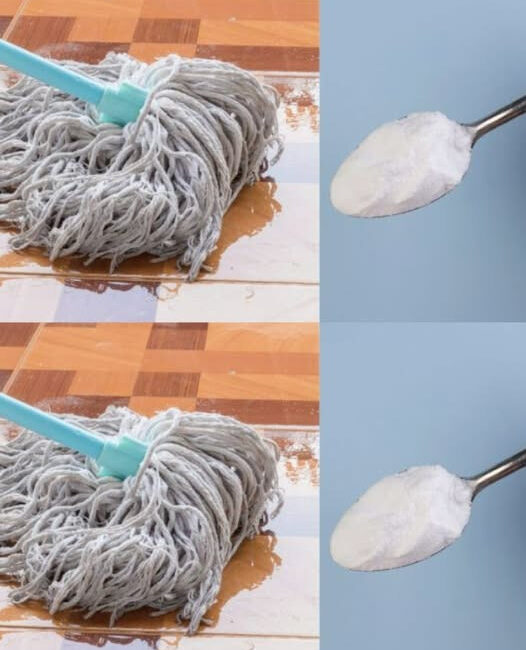
- Baking Soda (1 tablespoon) – Baking soda is another fantastic natural cleaning agent. It helps to lift dirt, absorb odors, and gently scrub away stuck-on grime without damaging surfaces.
- Castile Soap (1/4 cup) – Castile soap is a gentle, plant-based soap that provides cleaning power without the harsh chemicals found in traditional cleaners. It’s perfect for sensitive floors and works well in this recipe as it creates a nice, smooth cleaning solution.
- Essential Oils (10-20 drops) – Optional but highly recommended, essential oils like lavender, tea tree, lemon, or eucalyptus provide a pleasant natural fragrance and additional cleaning power. Tea tree oil, in particular, has antifungal and antibacterial properties.
- Hot Water (1 gallon) – Hot water helps dissolve the ingredients, making the solution more effective at cleaning floors. Warm water also aids in loosening dirt and grime.
- A Spray Bottle or Mop Bucket – Depending on your preferred method of cleaning, use either a large mop bucket or a spray bottle to hold the solution.
Optional Ingredients
- Rubbing Alcohol (1/4 cup): Adding rubbing alcohol increases the drying speed of the floor and can help prevent streaking, particularly on hardwood floors.
- Dish Soap (1 tablespoon): If you’re looking for extra grease-cutting power, you can add a small amount of dish soap to your cleaner.
Step-by-Step Instructions
click page 2 to continue