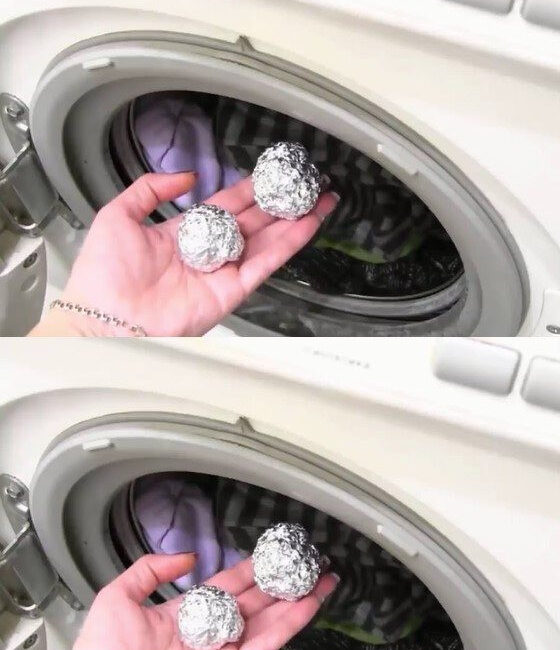
Laundry day is often a mundane chore for many, but what if a simple, inexpensive household item could transform your laundry experience? Enter aluminum foil balls—a surprisingly effective, easy-to-make laundry aid that could change the way you approach washing clothes forever. This ingenious trick is not only eco-friendly but also delivers numerous benefits that enhance laundry results, save energy, and improve fabric care. In this extensive guide, we will explore the science behind aluminum foil balls in laundry, how to make them, why they work, and the many surprising advantages of using this method.
What Are Aluminum Foil Balls?
Aluminum foil balls are small, tightly crumpled balls made from household aluminum foil. Unlike traditional dryer sheets or fabric softeners, these balls can be reused multiple times, offering an eco-conscious and cost-effective alternative to commercial laundry products. They are simple to create, requiring nothing but aluminum foil and a little bit of effort to mold into firm balls.
The Science Behind Aluminum Foil Balls in Laundry
The effectiveness of aluminum foil balls in laundry primarily revolves around static electricity management and mechanical action. When clothes tumble in a dryer, static electricity often builds up, causing fabrics to cling to each other or attract dust and lint. Aluminum foil, a conductive material, helps neutralize static electricity by discharging the built-up electrical charge during the drying cycle. This reduces static cling dramatically.
Additionally, aluminum foil balls help to separate clothes as they tumble, preventing them from bunching together, which leads to faster and more even drying. The physical agitation created by these balls can also help loosen dirt and lint from fabrics, improving cleanliness.
How Aluminum Foil Balls Reduce Static Cling
Static cling occurs when friction between clothes during drying generates an electrical charge imbalance. Synthetic fabrics, such as polyester and nylon, are particularly prone to this. When clothes build up a static charge, they stick together, making it difficult to fold and wear immediately after drying.
Aluminum foil balls act as conductors inside the dryer drum, allowing static electricity to discharge safely. This neutralization prevents clothes from sticking, reducing the need for fabric softeners or dryer sheets, which often contain chemicals or fragrances that some people prefer to avoid.
Mechanical Benefits: Better Fabric Separation and Faster Drying
The rough texture of aluminum foil balls prevents clothes from tangling and clumping, which can trap moisture and extend drying times. By keeping laundry items separate and aerated, these balls increase air circulation within the dryer. This means your clothes dry faster, saving both time and energy.
How to Make Aluminum Foil Balls for Laundry
Creating aluminum foil balls is a quick and simple process. Here’s a step-by-step guide to making your own:
Materials Needed
- Standard kitchen aluminum foil (heavy-duty foil works best for durability)
- Scissors (optional)
Instructions
- Cut or tear a sheet of aluminum foil approximately 6 to 8 inches wide. The size of your balls can vary depending on your dryer load, but smaller balls tend to be more effective for light loads, and larger ones for heavier loads.
- Crumple the foil tightly into a ball, squeezing firmly to compact it. Aim for a diameter of about 2 to 3 inches.
- Smooth and reshape the ball if necessary to remove loose edges and make it more compact.
- Repeat the process to create 3 to 5 balls, depending on your dryer size and load.
These balls are ready to use immediately and can last for dozens of laundry cycles before needing replacement.
Benefits of Using Aluminum Foil Balls in Laundry
1. Reduction of Static Cling
One of the most notable advantages is the significant reduction of static cling. Unlike chemical fabric softeners, aluminum foil balls do not leave residues or fragrances, making them ideal for people with sensitive skin or allergies.
2. Cost-Effective Laundry Solution
By replacing dryer sheets and liquid fabric softeners with reusable aluminum foil balls, you can save money in the long run. Dryer sheets are single-use and can add up to a considerable expense over time. Aluminum foil balls can last for multiple laundry cycles, providing excellent value for a minimal upfront cost.
3. Eco-Friendly Alternative
Many commercial laundry products contain harmful chemicals and plastics that can negatively impact the environment. Aluminum foil balls are recyclable and reusable, reducing waste and minimizing your carbon footprint.
4. Improved Drying Efficiency
Aluminum foil balls help reduce drying time by separating clothes and improving air circulation. This leads to energy savings on your electric or gas bill as your dryer runs less frequently or for shorter periods.
5. Preservation of Fabric Quality
Chemical fabric softeners often coat fabric fibers, reducing absorbency and potentially causing build-up that leads to dullness or stiffness. Aluminum foil balls avoid this issue entirely, preserving the natural feel and breathability of your garments.
6. Lint and Hair Removal
The balls’ rough texture helps scrape off lint and pet hair from clothing, keeping fabrics cleaner. This can reduce the need for lint rollers or brushes post-drying.
7. Safe for All Dryer Types
Aluminum foil balls can be safely used in all types of dryers, including energy-efficient and high-efficiency models. They do not damage dryer drums or heating elements and don’t leave residues that can clog lint traps.
Step-by-Step Guide to Using Aluminum Foil Balls in Laundry
Here’s how to incorporate aluminum foil balls into your laundry routine for optimal results:
1. Load Your Dryer
Place your wet clothes into the dryer drum as usual, making sure not to overload it to allow proper air circulation.
2. Add Aluminum Foil Balls
Toss 3 to 5 aluminum foil balls evenly throughout the load. For larger loads, consider using more balls for maximum effectiveness.
3. Select the Appropriate Drying Cycle
Choose the drying cycle based on your fabric type and moisture level. Aluminum foil balls are compatible with all settings, including delicate, permanent press, and heavy-duty cycles.
4. Start the Dryer
Run the dryer as normal. The aluminum foil balls will tumble along with the clothes, working their magic to reduce static and improve drying.
5. Remove and Store Balls
After the cycle is complete, remove the aluminum foil balls and store them in a dry place for future use. Inspect the balls periodically and replace them if they become crumpled or torn.
Expert Tips for Maximizing Aluminum Foil Ball Benefits
- Use multiple balls: For large loads, use 5 or more balls. For smaller loads, 3 balls are sufficient.
- Combine with wool dryer balls: Some users combine aluminum foil balls with wool dryer balls for enhanced softness and static control.
- Avoid overloading the dryer: Proper airflow is key to maximizing benefits, so avoid packing the dryer too tightly.
- Replace regularly: While aluminum foil balls are durable, replace them every 3-6 months depending on use frequency.
- Test on delicate fabrics: Though generally safe, test aluminum foil balls on delicate fabrics like silk or lace before regular use.
- Avoid using with dry clean only garments: Aluminum foil balls are not intended for delicate or dry-clean-only clothes.
Frequently Asked Questions About Aluminum Foil Balls and Laundry
Can Aluminum Foil Balls Replace Dryer Sheets Completely?
Yes. Aluminum foil balls can replace dryer sheets in most laundry routines, especially if your primary concern is static reduction and fabric separation. They are a chemical-free, reusable alternative that many find equally or more effective.
Are Aluminum Foil Balls Safe for Sensitive Skin?
Absolutely. Since aluminum foil balls do not contain fragrances, dyes, or chemicals, they are ideal for individuals with sensitive skin or allergies.
Click page 2 for more