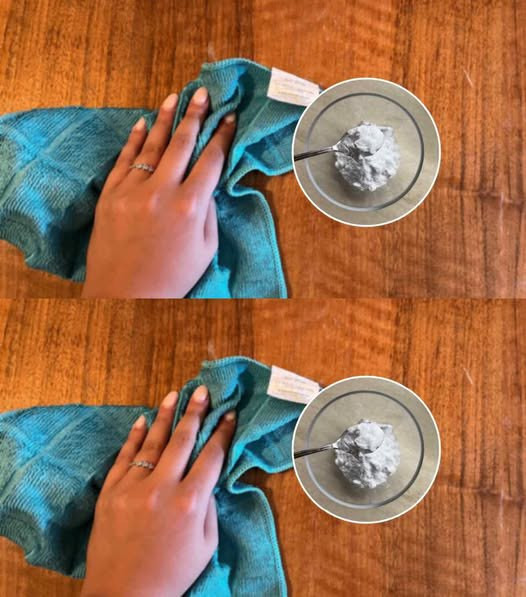
Kitchen cabinets are often the first place to show signs of grease and grime buildup due to constant exposure to cooking fumes, oil splatters, and everyday kitchen messes. Grease accumulation on kitchen cabinets not only tarnishes the aesthetic appeal of your kitchen but can also attract dust and bacteria, leading to hygiene concerns. Removing grease effectively and safely is therefore essential to maintain a clean and healthy kitchen environment.
One of the most efficient and affordable methods to achieve this is by using a specialized cleaning powder designed specifically to tackle grease. This article will dive deeply into how you can quickly and easily remove all grease from your kitchen cabinets using this powder, with step-by-step guidance, tips for optimal results, and essential insights into why this method is highly effective.
Understanding Grease Buildup on Kitchen Cabinets
What Causes Grease on Kitchen Cabinets?
When cooking, oils and fats from food vaporize or splatter onto surrounding surfaces. This airborne grease settles on nearby kitchen cabinets, especially those close to the stove or oven. Over time, repeated exposure causes a thick, sticky layer of grease to form.
Why Is Grease Hard to Remove?
Unlike dirt or dust, grease is oily and sticky. It adheres firmly to surfaces and traps dirt and grime, making the cabinets look dull and dirty. Grease can also cause discoloration, especially on painted or varnished cabinets, and can degrade the cabinet material if left untreated for long periods.
Why Use a Powder to Remove Grease?
Cleaning powders designed for grease removal often contain specialized agents that break down oils without damaging cabinet finishes. Unlike liquid degreasers that can be harsh or require vigorous scrubbing, these powders can lift grease gently yet effectively. Additionally, powders are typically more concentrated and versatile, allowing you to control the consistency by mixing them with water.
Choosing the Right Powder for Grease Removal
When selecting a powder for grease removal on kitchen cabinets, it’s crucial to pick one formulated to target oily residues while being safe for various surfaces. Key qualities to look for include:
- Strong Degreasing Agents: Ingredients that chemically break down oil molecules.
- Gentle Abrasives: Mild scrubbing particles that remove grease without scratching surfaces.
- Non-toxic Formula: Safe for indoor use, free from harmful chemicals and fumes.
- Multi-surface Compatibility: Suitable for wood, laminate, painted, and varnished cabinets.
Many cleaning powders blend natural enzymes, surfactants, and absorbent materials like baking soda or specialized clays to achieve these effects.
Step-by-Step Guide: How to Use the Powder to Remove Grease from Kitchen Cabinets
Step 1: Prepare the Cleaning Solution
Start by mixing the cleaning powder with warm water in a bucket or basin. Follow the recommended ratio indicated on the powder’s packaging (usually about 1-2 tablespoons of powder per quart of water). Stir until the powder dissolves completely, creating a mildly abrasive cleaning paste or liquid solution.
Step 2: Clear and Protect the Area
Remove all items from your kitchen cabinets and countertops to avoid splashes or spills. Lay down old towels or drop cloths to protect floors and surrounding areas from potential drips. If you’re working with wooden cabinets, ensure the room is well-ventilated to allow moisture to evaporate quickly.
Step 3: Pre-clean the Cabinets
Using a dry microfiber cloth or soft brush, gently wipe the cabinet surfaces to remove loose dust and debris. This preliminary step ensures that the cleaning powder focuses on grease removal rather than mixing with dirt particles.
Step 4: Apply the Powder Solution
Dip a non-abrasive sponge, soft-bristle brush, or microfiber cloth into the prepared cleaning solution. Wring out excess liquid to avoid over-wetting the cabinets. Begin scrubbing the greasy areas using circular motions, applying moderate pressure. Pay extra attention to corners, edges, and areas closest to the stove.
Step 5: Let the Solution Sit
After scrubbing, allow the powder solution to sit on the cabinet surfaces for 5-10 minutes. This dwell time lets the active ingredients penetrate and dissolve the grease layers deeply, enhancing the cleaning power.
Step 6: Rinse Thoroughly
Using a clean, damp cloth soaked in warm water, wipe down the cabinets to remove the powder residue and lifted grease. It’s important to rinse thoroughly to prevent any powder film from remaining, which could attract dust or dull the surface.
Step 7: Dry and Polish
Dry the cabinets immediately with a soft, lint-free cloth to prevent moisture damage or streaks. For added shine and protection, consider applying a small amount of natural wood polish or furniture oil (if applicable) using a clean cloth. This step also helps restore the cabinet’s original luster after deep cleaning.
Tips for Best Results When Removing Grease from Kitchen Cabinets
- Test a Small Area First: Always test the powder solution on a hidden part of the cabinet to check for any adverse reaction or discoloration.
- Regular Maintenance: Prevent thick grease buildup by wiping cabinets with a damp cloth weekly and applying the powder treatment monthly.
- Avoid Excess Water: Especially for wooden cabinets, avoid saturating the surface with water to prevent swelling or warping.
- Use Soft Tools: Hard scrubbers or abrasive pads can damage cabinet finishes. Stick to microfiber cloths or soft brushes.
- Ventilate Properly: Open windows or turn on exhaust fans to help dry cabinets faster and reduce any lingering cleaning odors.
- Combine with Vinegar for Stubborn Grease: For particularly stubborn grease patches, a solution of powder mixed with a small amount of white vinegar can enhance degreasing power.
Why This Powder Outperforms Other Grease Removal Methods
Compared to Liquid Degreasers
While liquid degreasers are popular, they often contain harsh chemicals that can strip finishes or emit strong odors. The powder approach offers a gentler alternative that is equally effective, especially for prolonged grease buildup.
Compared to Homemade Remedies
Common DIY grease removers like baking soda or vinegar alone may require significant scrubbing and multiple applications. The cleaning powder’s formula is scientifically designed to penetrate and dissolve grease quickly, saving time and effort.
Click page 2 for more