Wooden furniture holds a special place in many homes. It’s warm, sturdy, timeless, and often packed with character and memories. Whether it’s a cherished family heirloom, a vintage coffee table, or a rustic dining chair, wood furniture tends to age beautifully—if cared for properly.
But what happens when that treasured piece of furniture shows signs of wear and tear? Scratches, dents, minor cracks, or dullness can make your beloved wooden items look tired or even unusable. Many people might rush to replace or discard their old furniture, unaware of the simple, natural solutions right in their kitchens that can restore and rejuvenate wood without expensive products or complicated tools.
One of these secret kitchen heroes? The humble egg.
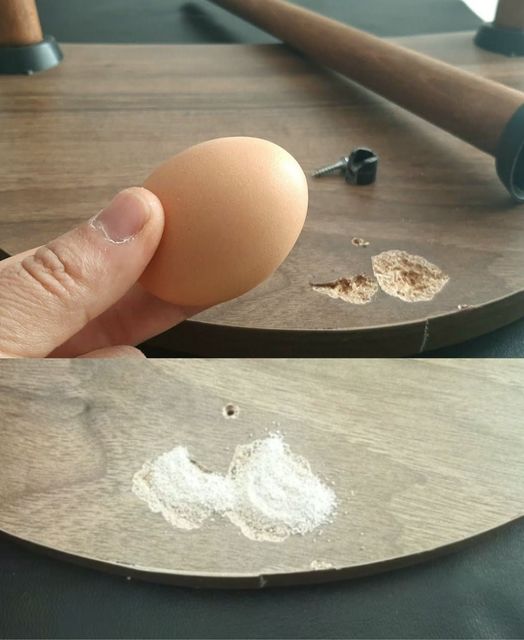
Yes, you read that right. Just one egg can work wonders on your wooden furniture. This age-old, surprisingly effective trick has been passed down through generations and is now making a strong comeback as a natural, eco-friendly, and budget-friendly method to bring wooden furniture back to life.
In this article, we will dive deep into how eggs can repair, nourish, and protect wooden furniture, step by step instructions on how to use this natural miracle, additional tips for wooden furniture care, and much more.
Why Wooden Furniture Deserves Special Care
Wood is a living material, and like any living thing, it responds to its environment. It can dry out, crack, warp, or get scratched, especially with daily use. Unlike plastics or metals, wood can be revived and restored, often with nothing more than natural ingredients and a bit of patience.
The benefits of maintaining and repairing wooden furniture include:
- Preserving the natural beauty and unique grain of wood
- Extending the lifespan of valuable or sentimental items
- Reducing waste and supporting sustainable living
- Saving money on expensive replacements or professional restorations
The Power of the Egg: Nature’s Furniture Repair Kit
Eggs have long been known for their rich protein content and nutritional value in our diets, but their utility doesn’t stop there. The proteins, fats, and minerals found in eggs create a natural blend that can help seal, repair, and nourish wood.
Here’s why eggs are so effective:
- Egg yolk is rich in fats and lecithin, which act as natural conditioners and polishers for wood, restoring shine and softness.
- Egg white proteins can fill tiny cracks and scratches, creating a smooth surface as they dry.
- The combination of both helps bind wood fibers, making the surface stronger and more resilient.
- Eggs form a natural protective layer that helps repel dust, moisture, and dirt.
How Does Egg Repair Wooden Furniture?
When applied properly, eggs work by penetrating the wood’s surface and filling small imperfections. The fats and proteins help to seal microscopic cracks and scratches, while also revitalizing dull, dry wood. Over time, the egg mixture hardens, creating a subtle but durable protective coating.
Eggs are especially effective for:
- Minor scratches and surface abrasions
- Small dents or dings
- Dull or faded wood surfaces
- Dry or slightly cracked wood
For deep cracks or structural damage, eggs can be a supportive measure combined with wood filler or glue, but for surface-level issues, the egg method is often all you need.
Step-by-Step Guide: Repairing Your Wooden Furniture with Just 1 Egg
What You’ll Need
- 1 fresh egg
- Fine sandpaper (optional, 400-600 grit)
- Soft cloths or microfiber towels
- Small bowl for mixing
- Paintbrush or soft applicator (optional)
- Olive oil or natural wood oil (optional, for extra shine)
Step 1: Clean Your Furniture
Start by removing any dust, dirt, or grime from the furniture surface. Use a soft, slightly damp cloth and gently wipe the wood. Let it dry completely before proceeding.
Step 2: Prepare the Egg Mixture
- Crack the egg and separate the yolk from the white.
- You’ll primarily use the egg yolk because of its high fat content. However, for tougher scratches, mixing a little bit of egg white can help fill gaps.
- In a small bowl, whisk the egg yolk until smooth. Optionally, add a teaspoon of olive oil for extra nourishing power and shine.
Step 3: Lightly Sand the Area (Optional)
If your wood surface has rough scratches or buildup, gently sand the affected areas using fine sandpaper. This creates a smooth base for the egg treatment.
Step 4: Apply the Egg Mixture
- Use a soft cloth or a small paintbrush to apply a thin layer of the egg mixture evenly over the damaged or dull areas.
- Make sure the layer is not too thick; you want it to soak into the wood, not sit on top.
- For best results, apply in the direction of the wood grain.
Step 5: Let It Dry
Allow the egg mixture to dry completely. This can take from 1 to 3 hours depending on temperature and humidity. The proteins and fats will bond with the wood surface during this time.
Step 6: Buff the Surface
Once dry, gently buff the treated area with a soft cloth to reveal a restored shine. If desired, apply a small amount of natural wood oil or olive oil afterward to enhance the finish and add protection.
Additional Ways to Use Eggs for Wood Care
1. Egg White Paste for Scratch Repair
click page 2 to continue