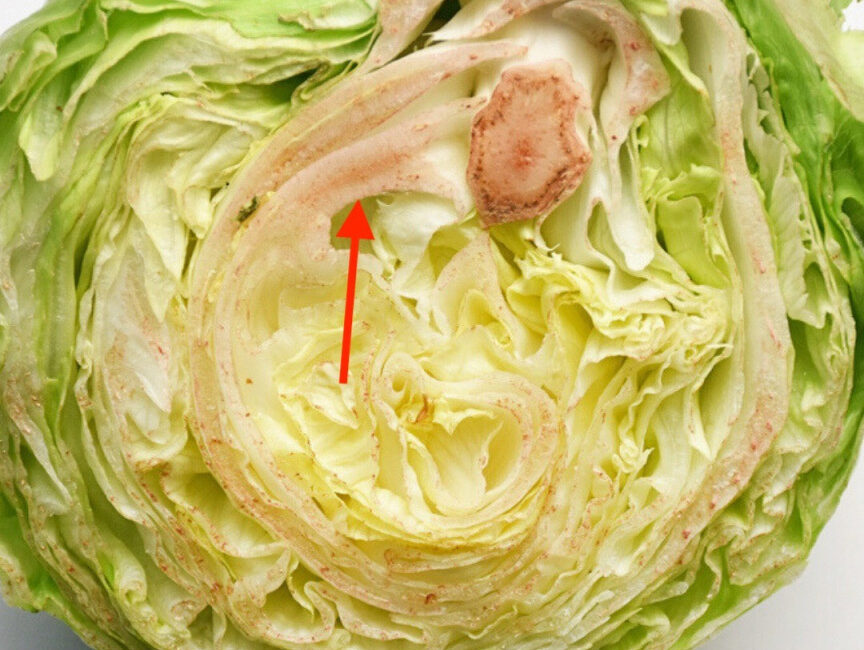
Lettuce is one of the most popular and versatile leafy greens consumed worldwide, forming the foundation of countless salads, sandwiches, wraps, and even smoothies. It’s praised for its crisp texture, mild flavor, and nutrient density, including vitamins A, C, and K, folate, and fiber. Whether you’re an avid home gardener or a savvy grocery shopper, you probably rely on lettuce as a staple ingredient in your diet.
But what happens when your lettuce starts turning pink? Many of us have faced this situation: you open the bag or reach for a head of lettuce, and suddenly notice an unexpected pink or reddish discoloration on the leaves. Your immediate reaction might be to just slice off the pink parts and eat the rest. But is that really the best approach? What causes lettuce to turn pink? Is it safe to eat? And more importantly, how can you prevent this from happening and prolong the freshness and quality of your leafy greens?
In this comprehensive guide, we’ll explore everything you need to know about pink discoloration in lettuce—from the biological and chemical processes behind it to expert tips on storage, handling, and selection. This is a must-read for anyone who wants to maintain top-tier freshness, maximize nutritional value, and avoid food waste when it comes to their leafy greens.
Table of Contents
- What Causes Lettuce to Turn Pink?
- Types of Lettuce Most Prone to Pink Discoloration
- Is Pink Lettuce Safe to Eat?
- Nutritional Changes When Lettuce Turns Pink
- How to Identify Pink Lettuce vs. Spoiled Lettuce
- The Science Behind Pink Discoloration: Enzymatic Browning and Anthocyanins
- Common Storage Mistakes That Lead to Pink Lettuce
- Optimal Storage Methods to Prevent Lettuce Discoloration
- How to Properly Wash and Prepare Lettuce to Avoid Pink Spots
- Best Practices for Buying Lettuce That Stays Fresh Longer
- Can You Use Pink Lettuce in Recipes? Culinary Tips and Tricks
- Lettuce Varieties and Their Resilience to Discoloration
- Organic vs. Conventional Lettuce: Does It Affect Pinking?
- How Climate and Seasonality Affect Lettuce Freshness and Color
- The Role of pH and Water Quality in Lettuce Color Stability
- How to Handle Lettuce from Harvest to Table for Maximum Freshness
- The Environmental Impact of Lettuce Waste Due to Pink Discoloration
- Innovative Packaging Technologies That Reduce Lettuce Pinking
- The Future of Lettuce Preservation: Controlled Atmosphere and Smart Packaging
- Final Thoughts: Beyond Cutting Off the Pink—Smart Lettuce Care for Health and Taste
1. What Causes Lettuce to Turn Pink?
Pink discoloration in lettuce leaves is primarily caused by oxidative stress and enzymatic reactions that occur when the leafy greens undergo physical damage or are exposed to certain environmental conditions.
When lettuce leaves are bruised, cut, or otherwise damaged, the plant’s cells release enzymes such as polyphenol oxidase (PPO). These enzymes catalyze reactions that oxidize phenolic compounds naturally present in the leaves, leading to the formation of colored pigments such as anthocyanins and melanins. Anthocyanins tend to impart red, purple, or pink hues, while melanins create brownish discolorations.
This process is a form of enzymatic browning, similar to what happens when apples or potatoes turn brown after being cut. However, in lettuce, the presence of anthocyanins can give the affected areas a pink or reddish tint rather than brown.
Other factors contributing to pink discoloration include:
- Temperature fluctuations: Exposure to warm air or refrigeration cycles can stress lettuce leaves.
- pH changes: Slight acidity or alkalinity in storage environments can affect pigment formation.
- Light exposure: Ultraviolet light can trigger pigment synthesis in leafy greens.
- Water quality: Mineral content and chlorine levels in wash water influence enzymatic activity.
2. Types of Lettuce Most Prone to Pink Discoloration
Not all lettuce types are equally susceptible to pink discoloration. Some varieties naturally contain higher levels of anthocyanins, which serve as pigments and antioxidants.
- Red leaf lettuce and radicchio naturally have red or purple hues but can develop more intense pinkish spots as they age or get damaged.
- Butterhead and Bibb lettuce tend to be more delicate and bruise easily, leading to quicker discoloration.
- Iceberg lettuce, though generally hardy, can develop pink tinges if the leaves are bruised or exposed to unfavorable storage.
- Romaine lettuce usually resists pinking but can show pink discoloration near damaged veins or edges.
Understanding the specific characteristics of your preferred lettuce type can help you anticipate and manage pink discoloration more effectively.
3. Is Pink Lettuce Safe to Eat?
Many consumers worry that pink discoloration in lettuce means spoilage or bacterial contamination. The good news: pinking itself is not a direct indicator of harmful bacteria or food poisoning.
In most cases, the pink coloration is purely a result of enzymatic pigment formation and does not affect the safety of the lettuce. You can safely consume lettuce with pink spots as long as it shows no signs of:
- Sliminess or sogginess
- Unpleasant odor or mold growth
- Excessive wilting or decay
That said, pink discoloration can signal early-stage degradation, and the affected leaves might have a slightly altered flavor or texture — usually a bit bitter or less crisp.
4. Nutritional Changes When Lettuce Turns Pink
Interestingly, the pink pigments themselves are often antioxidants, such as anthocyanins, which can provide health benefits. However, the oxidative stress causing the pink color often coincides with:
- Loss of vitamin C and other sensitive micronutrients
- Reduction in folate and other B vitamins
- Degradation of leaf texture and fiber integrity
So while the pink areas may contain some antioxidants, the overall nutritional quality of the lettuce may be reduced. This is why fresh, vibrant green lettuce is generally preferred for optimal nutrition.
5. How to Identify Pink Lettuce vs. Spoiled Lettuce
Differentiating between harmless pink discoloration and actual spoilage is essential for food safety and waste reduction.
- Pink lettuce: Firm leaves with slight pinkish or reddish tint near edges or veins, no slime, no foul odor.
- Spoiled lettuce: Leaves feel slimy, limp, or sticky; brown or black spots; off-putting smell; presence of mold.
If in doubt, trust your senses: discard any lettuce that smells sour or looks excessively wilted.
6. The Science Behind Pink Discoloration: Enzymatic Browning and Anthocyanins
Let’s explore the chemical reactions behind pinking:
- Polyphenol oxidase (PPO) enzymes oxidize phenolic compounds in damaged leaf cells.
- This oxidation produces quinones, which polymerize into pigments.
- Anthocyanins, a class of flavonoids, absorb certain wavelengths of light, causing the pink or reddish color.
- Environmental stresses such as light, temperature, and oxygen availability regulate the activity of these enzymes and pigment formation.
Understanding these biochemical processes helps in developing strategies to minimize pinking.
7. Common Storage Mistakes That Lead to Pink Lettuce
Many consumers unintentionally promote pink discoloration by:
- Storing lettuce in excess moisture without proper ventilation.
- Exposing lettuce to temperature fluctuations in the fridge.
- Washing lettuce and storing it wet without drying.
- Crushing or bruising leaves in overcrowded drawers or bags.
- Leaving lettuce exposed to direct refrigerator light.
8. Optimal Storage Methods to Prevent Lettuce Discoloration
Follow these expert tips to maximize lettuce freshness and minimize pink discoloration:
- Store lettuce in a crisper drawer with humidity control set to high humidity.
- Use perforated plastic bags or containers to maintain moisture without trapping excess water.
- Wash lettuce just before use, or if washed earlier, ensure leaves are thoroughly dried using salad spinners or paper towels.
- Avoid overcrowding to prevent bruising.
- Maintain consistent fridge temperature around 34–38°F (1–3°C).
- Keep lettuce away from fruits like apples and bananas, which release ethylene gas accelerating spoilage.
9. How to Properly Wash and Prepare Lettuce to Avoid Pink Spots
Click page 2 for more