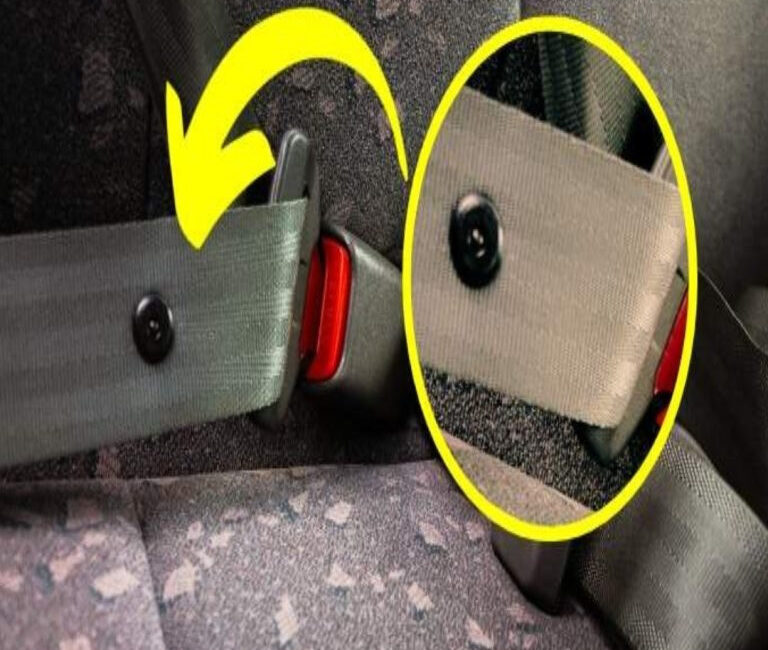
If you’ve ever taken a close look at your vehicle’s seat belt, especially the one in the front seat, you’ve probably noticed a small plastic or rubber button attached to the belt itself. It’s usually located a few inches below the metal latch plate (also known as the seat belt tongue), right where the latch rests when not in use.
At first glance, this tiny, seemingly insignificant component might look like a manufacturing defect, a leftover part of the production process, or simply a bit of added flair with no real purpose. In fact, many drivers and passengers remain completely unaware of its true role.
But here’s the reality: that little button serves an essential, highly functional purpose — one that impacts both car safety standards and user experience. Understanding what this button does and how it contributes to your vehicle’s performance can improve road safety, reduce wear and tear, and even influence your auto insurance premiums by promoting safer driving behavior.
In this in-depth article, we’re going to explore everything you never knew about this overlooked feature. From design mechanics and material engineering to regulatory considerations and common misconceptions, you’re about to learn why this little seat belt button deserves your full attention.
Table of Contents
- Introduction: The Mystery of the Small Seat Belt Button
- Anatomy of a Seat Belt System
- The True Purpose of the Seat Belt Button
- Materials and Manufacturing Considerations
- How It Contributes to Vehicle Safety
- Impact on Passenger Comfort and Convenience
- Effects on Child Safety Seats and Booster Configurations
- Seat Belt Retraction and Storage Mechanisms
- Common Myths and Misunderstandings
- Regulatory Standards and Compliance
- How This Button Helps Extend the Lifespan of Your Seat Belt
- Role in Emergency Situations and Crash Dynamics
- Maintenance Tips for Preserving Your Seat Belt System
- Signs of Wear and When to Replace It
- Final Thoughts: Small Part, Big Impact
1. Introduction: The Mystery of the Small Seat Belt Button
The automotive world is full of engineering nuances and smart design features that are easy to miss unless you look closely. One such example is the tiny button sewn onto your seat belt.
Most people never give it a second thought. It doesn’t flash, beep, vibrate, or connect to a smartphone. It doesn’t need charging, doesn’t break easily, and doesn’t cost anything extra.
Yet, this little button plays a critical part in the integrity and functionality of your car’s passive safety systems.
Let’s take a deep dive into what this button does and why every vehicle, from economy sedans to high-end luxury SUVs, includes it as a standard feature.
2. Anatomy of a Seat Belt System
To fully understand the seat belt button’s purpose, we first need to examine the entire seat belt system. Here are the core components:
- Webbing: The strong fabric strap that secures the occupant.
- Latch Plate (Tongue): The metal tab that inserts into the buckle.
- Buckle: The receptacle that locks the latch plate in place.
- Retractor Mechanism: The system that rolls up excess webbing and locks the belt during sudden stops.
- D-Ring Adjuster: Allows the belt to adjust to different passenger heights.
- Anchors and Mounting Points: Where the belt connects to the car’s frame.
- Stop Button (the small button): Positioned below the latch plate on the webbing.
The stop button may be small, but it plays a crucial mechanical and positional role.
3. The True Purpose of the Seat Belt Button
The small button is commonly referred to by engineers as a “stop button” or “belt stopper.” Its main purpose is to prevent the latch plate from sliding all the way down the belt when it’s not in use.
Here’s how it works:
- When you unbuckle the seat belt, the latch plate would normally slide down toward the floor due to gravity.
- The stop button catches the latch and keeps it at an accessible height for the next user.
- It acts as a physical barrier, preventing the latch plate from becoming tangled, misplaced, or difficult to find.
This simple mechanism helps ensure:
- Ease of use
- Faster seat belt engagement
- Reduced driver distraction
- Cleaner belt alignment
- Prevention of damage to the latch or car upholstery
In short, it holds the seat belt latch in the perfect spot, every time.
4. Materials and Manufacturing Considerations
The button is usually made from durable plastic, high-strength rubber, or thermoplastic elastomer (TPE). These materials are chosen for their ability to withstand:
- Extreme temperatures (especially for parked cars in hot summers or freezing winters)
- Tension and wear
- UV radiation from sunlight
- Moisture, dirt, and oils from human skin
It’s typically heat-fused or ultrasonic welded into the seat belt webbing during the manufacturing process, making it permanently affixed and resistant to tearing.
Despite its tiny size, it must meet automotive-grade standards for safety and durability.
5. How It Contributes to Vehicle Safety
Although it’s not part of the load-bearing system during a crash, the button has a passive safety function. Here’s how:
- Ensures the seat belt is ready to be fastened quickly without the need to search for the latch plate.
- Reduces distraction when buckling up, especially important for drivers.
- Keeps the latch from sliding under the seat or becoming entangled, which could prevent a passenger from buckling up promptly.
- Maintains belt alignment, reducing chances of twisted or misrouted belts that could compromise crash protection.
In emergencies, every second counts. This tiny component helps ensure faster access to life-saving equipment.
6. Impact on Passenger Comfort and Convenience
The seat belt button enhances user experience by keeping the buckle in a consistent, convenient location. This is especially helpful for:
- Children and seniors who may struggle to reach a loose latch.
- Pregnant passengers who need specific belt positioning.
- Shorter individuals for whom seat belt adjustability is crucial.
- Drivers operating ride-sharing or car rental vehicles — consistency matters across users.
The convenience it offers contributes directly to increased compliance with seat belt usage — which, in turn, boosts passenger safety rates.
7. Effects on Child Safety Seats and Booster Configurations
Click page 2 for more