A good night’s sleep is essential for overall health, productivity, and well-being. However, if your mattress becomes infested with bed bugs, restful sleep can quickly turn into a nightmare. Bed bugs are tiny, elusive pests that can wreak havoc in your bedroom, leaving itchy bites, disrupting your sleep, and creating an uncomfortable living environment. The good news is that mattress bed bug infestations can be effectively addressed with the right knowledge and strategies.
This detailed guide will walk you through everything you need to know about bed bugs, how to detect them, and the most effective, easy-to-follow steps to clean your mattress and reclaim your peaceful sleep. From understanding bed bug biology to prevention, deep cleaning techniques, and post-treatment tips, this comprehensive article covers it all.
Understanding Bed Bugs: The Enemy You Can’t Ignore
What Are Bed Bugs?
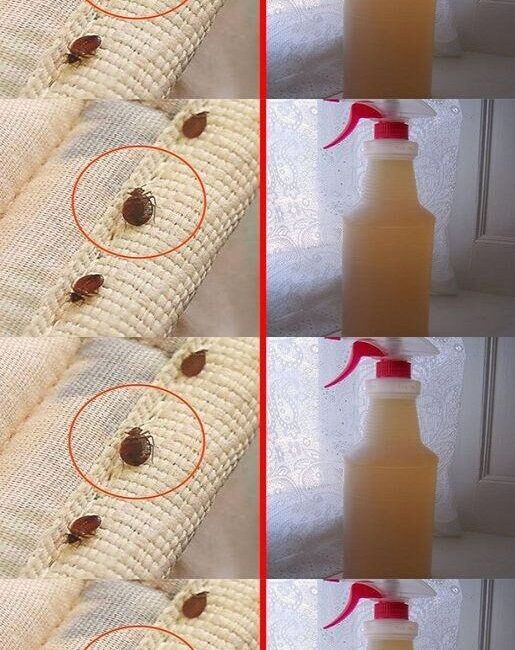
Bed bugs (Cimex lectularius) are small, flat, reddish-brown insects that feed on human blood. Approximately the size of an apple seed, these nocturnal pests are notorious for their stealth and rapid breeding. They tend to hide during the day in cracks, crevices, and especially in mattresses, bed frames, and bedding materials, emerging at night to feed.
Why Are Bed Bugs a Problem?
- Disrupt Sleep: Bed bugs bite humans, causing itchy, irritating welts that often keep victims awake.
- Health Concerns: While they are not known to transmit diseases, their bites can cause allergic reactions and secondary infections from scratching.
- Psychological Stress: Infestations can lead to anxiety, stress, and insomnia.
- Difficult to Eradicate: Their ability to hide and resist many conventional insecticides makes them challenging to eliminate.
Life Cycle and Behavior
Bed bugs lay tiny, whitish eggs that hatch in 6 to 10 days. The nymphs (juvenile bed bugs) go through five molts before becoming adults, and they need a blood meal to progress through each stage. Under ideal conditions, bed bugs can reproduce rapidly, doubling their population every 16 days.
Knowing this makes timely and thorough cleaning critical to prevent the infestation from escalating.
Signs Your Mattress Has Bed Bugs
Before you embark on mattress cleaning, it’s essential to confirm the presence of bed bugs. Here are some tell-tale signs to look for:
- Bite Marks: Small, red, itchy bumps often arranged in a line or cluster on your skin, especially after sleeping.
- Blood Spots: Tiny reddish or rusty stains on your mattress or sheets from crushed bugs.
- Dark Fecal Spots: Small dark brown or black spots on the mattress seams or bed frame, indicating bed bug excrement.
- Shed Skins: Bed bugs molt as they grow, leaving behind transparent skins.
- Musty Odor: A sweet, musty odor may indicate a large infestation.
- Visible Bugs: Though elusive, you might spot live bed bugs hiding in mattress seams, tufts, or cracks in furniture.
Preparing to Clean Your Mattress
Cleaning your mattress from bed bugs requires a methodical approach to ensure that no eggs, nymphs, or adults remain. Preparation is key:
1. Gather Necessary Supplies
- Protective gloves and a mask
- Vacuum cleaner with a hose and crevice tool
- Steam cleaner (preferably industrial grade)
- Enzyme-based cleaners or mattress-safe disinfectants
- Baking soda
- Mattress encasements (bed bug proof covers)
- Disposable plastic bags for infested bedding
- Laundry detergent and hot water access
- Rubbing alcohol or isopropyl alcohol spray
- Soft-bristle brush or scrubber
- Flashlight and magnifying glass for inspection
2. Declutter the Room
Remove clutter near the bed such as piles of clothes, bags, or books. Bed bugs thrive in clutter as it offers hiding places. Decluttering also makes cleaning more efficient.
3. Isolate the Mattress
Pull the bed away from the wall and avoid letting bedding touch the floor, which prevents bed bugs from migrating. Remove all bedding, including sheets, pillowcases, blankets, and mattress toppers.
Step-by-Step Mattress Cleaning to Eradicate Bed Bugs
Step 1: Strip and Wash All Bedding
Immediately place all bedding into sealed plastic bags to avoid spreading bed bugs to other areas.
- Wash all bedding in hot water (at least 120°F or 49°C) for 30 minutes to kill bugs and eggs.
- Dry on the highest heat setting for at least 30 minutes, as heat is lethal to bed bugs.
- Repeat this process regularly until infestation is eliminated.
Step 2: Vacuum the Mattress Thoroughly
Vacuuming is crucial to physically remove bed bugs, eggs, and shed skins.
- Use a vacuum cleaner with a crevice tool attachment.
- Pay close attention to mattress seams, tufts, folds, and edges.
- Vacuum the bed frame, headboard, and any nearby furniture.
- After vacuuming, immediately dispose of the vacuum bag or empty the canister contents into a sealed plastic bag and throw it away outside the home.
Step 3: Steam Clean the Mattress
Steam cleaning uses high-temperature vapor to kill bed bugs and eggs on contact.
- Use a commercial-grade steam cleaner capable of producing steam at 200°F or higher.
- Slowly pass the steam nozzle over every inch of the mattress surface, focusing on seams, crevices, and tufts.
- Avoid soaking the mattress; use steam minimally to prevent mold growth.
- Allow the mattress to dry completely in a well-ventilated room before moving on.
Step 4: Apply Baking Soda
Baking soda can help absorb moisture and deodorize the mattress, creating an inhospitable environment for bed bugs.
- Sprinkle a generous layer of baking soda over the mattress.
- Leave it on for several hours or overnight.
- Vacuum thoroughly to remove all baking soda residues.
Step 5: Use Alcohol Spray (Optional)
Rubbing alcohol kills bed bugs on contact by dissolving their exoskeletons.
- Spray a light mist of isopropyl alcohol along mattress seams and edges.
- Avoid saturating the mattress to prevent damage.
- Use caution, as alcohol is flammable.
Step 6: Encase the Mattress in a Bed Bug-Proof Cover
After cleaning, protect your mattress by encasing it in a high-quality bed bug-proof cover.
- These covers trap any remaining bed bugs inside, preventing feeding and eventual death.
- They also block new bed bugs from entering the mattress.
- Leave the cover on for at least one year, the maximum lifespan of a bed bug without feeding.
Additional Mattress Cleaning Tips and Considerations
Inspect Adjacent Furniture and Flooring
Bed bugs rarely restrict themselves to mattresses. Check nearby furniture, carpets, curtains, and baseboards for signs of infestation. Repeat cleaning steps as necessary.
Use Diatomaceous Earth for Long-Term Control
Click page 2 for more