Doing laundry is one of those recurring household chores that most people accept as inevitable. But often, the process isn’t completed promptly: a load is washed late in the evening or night, then left wet in the washer, or hung up but not fully dried, or taken to an indoor line and left damp until morning. Many do this because night is when they finally have time, or because daytime drying opportunities are limited (weather, sun, space). That seems practical.
However, not drying laundry promptly or leaving wet laundry overnight can lead to multiple problems: mildew, mold, musty smells, fabric damage, increased wear, bacterial growth, odor, humidity problems, inefficiency, and risk to air quality or even home health. In a context of energy efficiency, home maintenance, and indoor environment optimization, it’s a avoidable mistake that many homeowners and renters overlook.
This article explores:
- The risks of leaving laundry wet overnight
- The science of moisture, mold, and fabric care
- How laundry scheduling interacts with your home’s climate and structure
- Best practices for drying: machines, lines, racks, airflow
- Nighttime drying: what to do (if you must), and how to minimize risks
- Humidity control, ventilation, and indoor drying strategies
- How to build a laundry routine that avoids the mistake entirely
- Troubleshooting persistent odor, mold, or damp laundry problems
Let’s unpack why “not drying laundry at night” is more than a convenience blunder—it’s a home care misstep.
1. The Risks of Leaving Laundry Wet Overnight
When wet laundry remains damp for extended periods, especially overnight, several negative outcomes become likely. Understanding what exactly goes wrong helps emphasize why prompt drying is important.
1.1 Mold, Mildew & Bacterial Growth
- Mold and mildew thrive in damp, dark environments—which is exactly what a pile of wet clothes in a closed room becomes overnight.
- The moisture in fabric provides a breeding ground. Airborne spores land on wet surfaces and proliferate.
- Once mold establishes, it can stain fabrics, weaken fibers, produce musty odors, and even release spores back into the air, degrading indoor air quality.
- Some bacteria also proliferate in damp environments, especially organic residues (detergents, sweat, skin oils) on clothing.
1.2 Musty Odors & Unpleasant Smells
- A damp, closed environment encourages volatile compounds (from microbial metabolism) that smell musty or sour.
- The longer clothes remain damp, the more entrenched these odors become—sometimes they become hard to remove even after washing again.
- Particularly sensitive fabrics (towels, cottons) pick up and hold these smells.
1.3 Fabric Damage, Weakening & Color Issues
- Prolonged wetness can stretch or warp fibers, especially if garments are bunched or heavy.
- Residual detergent or mineral deposits may interact with moisture to degrade fibers or produce spotting.
- Some dyes or pigments may bleed or shift when garments stay wet for too long.
- Fine fabrics (silk, wool) are especially vulnerable to weakening.
1.4 Increased Drying Time & Energy Costs Later
- When garments become saturated and damp for long periods, the next drying cycle (whether machine or air) will require more time and energy to remove moisture.
- This reduces energy efficiency, increases wear on your dryer or drying mechanism, and costs more.
- Additionally, wringing or agitation of overly soggy fabric may be less effective or more stressful to the material.
1.5 Indoor Humidity & Indoor Air Quality Issues
- That moisture doesn’t just stay in the clothes—it evaporates into the room, raising indoor humidity.
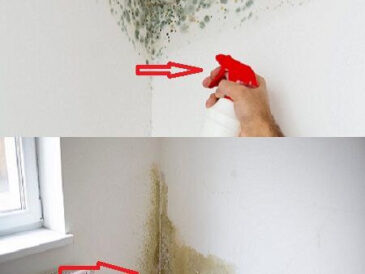
- High humidity encourages mold growth on walls, ceilings, in wardrobes, in crawlspaces.
- It also burdens HVAC systems, dehumidifiers, or air conditioning.
- In certain climates, it can lead to condensation, window fogging, damp walls, peeling paint, or structural moisture damage.
1.6 Health & Allergen Impacts
- Mold spores or microbes released from damp garments can aggravate allergies, asthma, or respiratory issues.
- The clothing itself, carrying spores, can cause skin irritation or odor transfer.
- For people with sensitivity or compromised immune systems, such exposure is more than nuisance.
So leaving laundry damp overnight is more than “inefficient”—it carries real costs to your clothing, air, home, health, and energy usage.
2. The Science Behind Moisture, Drying, and Home Hygiene
To truly build a robust routine, it helps to understand how moisture moves, how fabrics dry, and how indoor environments interact with laundry practices.
2.1 Moisture Equilibrium & Vapor Pressure
- Wet fabrics contain water in both bound and free states. The “free” water evaporates into the surrounding air until equilibrium is reached.
- Evaporation depends on vapor pressure gradient: the difference in moisture content between fabric and ambient air. The greater the gradient (i.e., dry air, good airflow), the faster drying.
- If ambient air is humid, saturated, or still, evaporation slows, extending drying times dramatically.
2.2 Relative Humidity & Saturation
- If room relative humidity (RH) is already high (say 70–90%), the capacity of air to take in more moisture is limited. That slows drying.
- The more wet laundry you place in a room, the more you push RH upward—thus further reducing drying efficiency.
- Without ventilation or dehumidification, laundry drying indoors can raise RH to levels that encourage condensation, dampness, and mold risk.
2.3 Airflow & Heat Dynamics
- Good airflow removes humid boundary layers around fabric and carries away evaporated moisture.
- Warm air holds more moisture, so if laundry is dried in a warm room (rather than cold), it speeds the process.
- Convection (air movement) is key: static air zones around garments slow evaporation.
2.4 Drying Curve & Rate Decrease
- The drying rate is fastest initially (when fabrics are saturated), then slows as moisture content drops (bound water).
- The longer garments remain damp, the slower the remaining moisture is removed.
- Stubborn dampness in thick folds or double‑layered parts may remain even after the main mass seems “dry.”
2.5 Hygroscopic Effects & Fiber Behavior
- Some fibers (e.g. cotton, wool) absorb moisture from air when RH is high, leading to rewetting or dampness.
- Fiber swelling, relaxation, or slump may occur if garments are left wet and distorted overnight.
- Temperature changes overnight (cooling air, condensation) may cause fabrics to reabsorb moisture or condense water.
Understanding these scientific principles helps you see why delaying drying is so harmful: you reduce vapor gradients, saturate your indoor environment, slow drying, and promote mold/fabric damage.
3. Best Practices for Laundry Timing & Drying
Given the risks, the ideal solution is to align your laundry schedule and drying practice to avoid wet laundry overnight altogether. Here are best practices and scheduling strategies.
3.1 Schedule Laundry to Finish with Enough Drying Time
- Avoid late‑night washes unless you have a guaranteed quick drying solution.
- Plan washing cycles earlier in the day or early evening so you can hang or begin drying before humidity or ambient conditions change.
- Use quick rinse/spin cycles to remove more water before drying begins—less residual moisture shortens drying time.
3.2 Match Load Size to Drying Capacity
- Don’t overload the washer or drying area: dense loads dry slower and unevenly.
- A smaller load means more surface area exposed, faster evaporation.
- Balance load size with what your drying method (rack, line, dryer) can handle promptly.
3.3 Use High Spin or Extra Spin Cycles
- Many washers offer “extra spin” or “high spin” settings—use them to extract as much water as possible before drying.
- Better mechanical extraction reduces the burden on evaporation and shortens drying times.
3.4 Dry Promptly: Machine or Air
- As soon as the wash cycle ends, transfer garments to dryer or air drying setup.
- Avoid letting clothes sit damp in the washer waiting for your next opportunity.
- Even a short delay (several hours) increases microbial risk.
3.5 Optimize Drying Method (Machine, Line, Rack)
- Use a dryer (machine) when available and energy cost is acceptable—fast, controlled.
- For air drying, use a well-ventilated area, ideally outdoors or near open windows.
- Indoors line or rack drying requires airflow, dehumidification, and strategic placement (see tips soon).
- Combine methods: partial tumble in dryer, then air finish, or vice versa.
3.6 Use Dehumidification or Ventilation
- In climates or houses with high humidity, use a dehumidifier or exhaust fan in the drying room to lower RH and speed drying.
- Open windows or use cross-ventilation where weather allows.
- Use fans directed across clothes to enhance airflow.
3.7 Dry in Smaller Batches Overnight (Only if Necessary)
If you must wash late, limit the load so drying can complete before becoming problematic. For instance, wash one or two garments and hang them near a dryer vent or fan so that overnight moisture is removed faster. Avoid full loads.
3.8 Rotate or Split Loads
- If loads are large, split them—dry half at once, then the rest.
- Alternating batches ensures that no group of garments is left overnight while waiting for space to dry.
3.9 Use Quick-Drying Fabrics or Blends where possible
- Some fabrics dry faster (synthetics, blends) than heavy cottons or towels.
- When midweek or late evening laundry is needed, prioritize quick-dry items to minimize risk.
3.10 Monitor & Adjust Based on Season / Climate
- In humid or rainy seasons, indoor drying becomes harder—shift the heavy laundry days to drier parts of week.
- In winter, indoor RH is often lower (if heating), which may help drying—but watch for cold surfaces or condensation.
- In tropical or damp zones, ensure you have a mechanical dryer or high airflow capacity.
4. Nighttime Drying: If You Have No Choice, How to Do It Safely
Sometimes life forces you to do laundry late. If you must dry overnight, here’s how to do it with minimal harm.
4.1 Use a Controlled Indoor Drying Space (with Ventilation)
- Choose a room with ventilation, exhaust fan, or dehumidifier.
- Avoid drying in enclosed, unvented spaces (bathrooms, small closets) unless they have active ventilation.
4.2 Position Garments Strategically for Airflow
- Hang items spaced apart; avoid overlapping or crowding.
- Use hangers or rods rather than flat piles.
- Elevate garments off floors: hang at mid or upper height where air circulates.
- Place near air vents, fans, or draft paths (but avoid direct drafts on delicate fabrics).
4.3 Employ Supplemental Drying Tools
- Use a fan to circulate air across garments.
- Use indoor heaters / radiant heaters (safely, controlled) to help evaporation (avoid overheating or catching fabrics).
- Use absorbent towel wrap technique: wrap heavy wet garments in a dry towel and press to absorb excess moisture before hanging.
4.4 Use a Drying Rack with Drip Tray
- Use a rack above a drip tray to capture water so floor doesn’t become damp.
- That drip tray helps control moisture and simplifies cleanup.
4.5 Limit Quantity & Material
- Only dry what absolutely must be dried overnight—don’t overload.
- Avoid bulky items (e.g. thick towels, bedding) overnight unless you’re confident in airflow and moisture management.
4.6 Monitor & Intervene
- Partway through night, check humidity or feel for dampness on surfaces.
- If RH rises too far, open a window, run fan, or pause drying.
- If garments remain soggy in the morning, plan to finish them in a dryer promptly.
4.7 Morning Follow-Up
- At dawn, move garments outdoors or into sunlight if possible.
- Or finish them in a dryer or well-ventilated area.
- Drying overnight should only be a fallback, not a habit.
5. Humidity Control, Ventilation & Indoor Environment Strategies
To reduce the cost and risk of indoor drying, manage your indoor climate intentionally.
5.1 Use a Dehumidifier in Laundry or Drying Rooms
- A dehumidifier lowers relative humidity, increasing the air’s capacity to absorb moisture.
- Especially useful in humid regions or seasons.
- Set it to a low RH target (e.g., 45–55%) ideal for drying and preventing mold.
5.2 Use Exhaust Fans or Ventilation Systems
- Run bathroom or utility fans while drying clothes indoors.
- Consider ducted exhaust where moisture is carried outside.
- In homes with HVAC, use the ventilation system or dampers to pull moist air out.
5.3 Open Windows or Use Cross-Ventilation
- On dry days, open opposing windows or doors to create airflow paths.
- Encourage cross-drafts across drying clothes.
- Be cautious of outdoor humidity or dust—choose times when outdoor air is dryer than indoor.
5.4 Monitor Indoor Humidity
- Use a hygrometer to track RH in laundry or drying spaces.
- If RH rises above safe levels (65–70%), pause drying or ventilate strongly.
- Use the data to schedule laundry times when indoor humidity is manageable.
Click page 2 for more