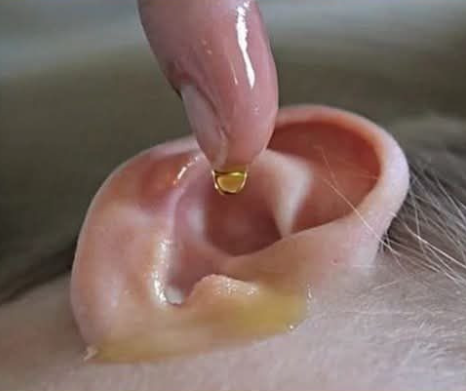
Imagine this: you’ve tried everything—painkillers, ear plugs, warm compresses—to soothe ear discomfort, ringing, pressure, or hearing issues… and nothing seems to work. But someone whispers: “Just put four drops in your ear, and you’ll feel relief.” It sounds too simple to be true. Is it a miracle cure? A gimmick? Or is there some underlying science behind it?
In this article, we’ll take you deep into everything you need to know: how certain drops might work, what ingredients to look for, what results are realistic (and what are not), how to apply drops safely, who should avoid them, and how to maximize the benefit. Because yes, in some situations, four drops can indeed make a difference—if done right.
Why the Idea of “Four Drops” Is So Popular (And Powerful)
The concept is compelling: minimal effort, targeted delivery, and a promise of quick effect. Four drops is a small quantity, easy to measure, seemingly innocuous—yet precise enough to deliver an active ingredient directly to the ear canal or middle ear.
That’s partly why it’s become a kind of “shortcut narrative”—people want remedies that are easy, fast, and low cost. An ear drop that actually works (or seems to) they will share, and those stories often go viral.
But behind that allure, there must be some mechanisms and delivery strategies that allow such a small dose to create a noticeable change. Let’s explore what’s possible—and what’s just wishful thinking.
How Drops in the Ear Could Potentially Work
To understand whether four drops can make a difference, you need to grasp what’s happening in and around your ear, and what kinds of ingredients can act in that environment. Here’s a breakdown:
1. Direct Local Delivery
When you put drops into the ear canal, you bypass digestion, systemic metabolism, and the blood-brain barrier (mostly). The medicine or active compounds can act locally on tissues in or near the ear—such as the eardrum, skin of the canal, or middle ear (if there is a perforation or via diffusion).
Because the dose is local, the concentration in the affected area can be relatively high compared to an oral dose. That makes small drops potent—if the compound penetrates and acts where it needs to.
2. Osmotic / Pressure Effects
Certain drops can create osmotic gradients—drawing fluid out of inflamed tissues, reducing swelling, and relieving pressure. This can reduce pain or “blocked” feeling in ears.
3. Anti‑Inflammatory and Antimicrobial Action
Many ear drop formulas include ingredients with anti‑inflammatory or antimicrobial properties. These can reduce swelling, fight infection, or suppress microbial overgrowth, which often accompanies ear issues.
4. Soothing, Lubrication, and Barrier Function
Sometimes relief comes not from “fighting a cause” but from simply lubricating, softening wax, or protecting the canal skin from irritation or drying. That can reduce itching, rubbing, or microtrauma.
5. Neuromodulation / Nerve Relaxation
Some compounds might act on sensory nerves—reducing hyperactivity of nerves, reducing ringing (tinnitus), or calming nerve pain. In very specific formulations, small drops may influence nerve endings in the ear canal or around the eardrum.
What Ear Conditions Might Respond to Drops (and Four Drops in Particular)
It’s important to have a realistic view: not all ear problems will resolve with just drops. But for certain common conditions, drop therapy is a recognized, effective approach.
Here are examples of conditions where ear drops—and possibly just four drops—can make a noticeable difference:
| Condition | Mechanism of Relief via Drops | Likelihood That 4 Drops Could Be Enough |
|---|---|---|
| Earwax impaction / cerumen buildup | Soften wax, allow it to loosen and eventually exit | Moderate – softening agents often need repeated use, but first drop may give mild relief |
| External otitis (swimmer’s ear, canal infection) | Antimicrobial + anti‑inflammatory action directly in canal | High – properly formulated drops often prescribed for several days; 4 initial drops start therapy |
| Ear canal irritation / itching | Soothing agents, barrier protection, reduce inflammation | High – quick relief sometimes within minutes |
| Middle ear pressure or fluid (if eardrum perforated or diffusion possible) | Osmotic or anti‑fluid effects, decongestion | Moderate to low – depends on permeability; sometimes initial relief but further therapy often required |
| Tinnitus or ear ringing (canal origin) | Neuromodulatory or anti‑inflammatory drops | Low to moderate – results vary widely; some hearing specialists trial ear drops |
| Post‑procedure pain (after cleaning or surgery) | Anti‑inflammatory or analgesic drops | Moderate – first drops often designed to numb or soothe |
In many of these, the first four drops may produce a noticeable change—relief of pressure, reduction in itch, less pain—though full resolution often requires repeated dosing.
What Ingredients Make Four Drops Effective?
Not all ear drops are created equal. For those magical “four drops” to actually do something meaningful, the formulation must include potent, bioavailable, and safe agents. Here are categories and specific compound types to look for (or expect, in a well-formulated drop):
A. Cerumen Softening Agents
To dissolve or loosen hardened earwax:
- Carbamide peroxide – releases oxygen to loosen and break down wax
- Hydrogen peroxide (mild dilution)
- Mineral oil, olive oil – gentle, natural lubricants
- Glycerin – humectant, draws moisture into wax to soften
These agents don’t act instantly, but four drops start the softening process, making subsequent cleaning or natural expulsion possible.
B. Antimicrobial / Antibacterial / Antifungal Agents
To fight infections (e.g. in the external ear):
- Gentamicin, neomycin, polymyxin (in prescription drops)
- Acetic acid (low concentration) – creates hostile pH for bacteria
- Hydrocortisone (low dose, with antibiotic) – to reduce inflammation
- Natural antimicrobials: tea tree, garlic extract, calendula, mullein (in over-the-counter formulations)
These agents help reduce microbial load and reduce swelling or pain.
C. Anti-Inflammatory / Soothing Agents
To calm irritation, swelling, and pain:
- Corticosteroids in prescription drops (hydrocortisone, dexamethasone)
- NSAID drops (rare, specialty formulations)
- Herbal soothing agents: aloe, chamomile, calendula
- Lidocaine or other mild anesthetics (in pain-relief ear drops)
These can act quickly to ease discomfort.
D. Osmotic / Decongestive Agents
To draw out fluid and reduce pressure:
- Glycerol/glycerin (osmotic effect)
- Glycerol + water mix
- Mannitol or similar osmolytes (in some advanced formulations)
These help shift fluid out of tissues, easing pressure sensations.
E. Penetration Enhancers / Delivery Carriers
To allow active ingredients to reach deeper through tissue barriers:
- Liposomes or nanoemulsions
- Surfactants (mild, biocompatible)
- EDTA or chelating agents (to open tight junctions slightly)
- Propylene glycol, polyethylene glycol as vehicles
A well-formulated drop doesn’t just sit in the canal — it penetrates enough to act where needed.
How to Use Four Drops Safely and Effectively
Even the best drop is useless if misused. Here’s a detailed, practical protocol for applying drops to maximize effect and minimize risks.
Step 1: Prepare the Ear and Environment
- Wash your hands thoroughly.
- Warm the drops slightly in your hand (to body temperature) — cold drops can cause dizziness or discomfort.
- Tilt the head so the affected ear is upward.
- Pull the earlobe gently (back and down for adults; down and back for children) to straighten the canal.
Step 2: Administer the Drops
- Use a clean dropper.
- Place exactly four drops into the ear canal.
- Avoid letting the dropper tip touch the ear to keep it sterile.
- Gently press the tragus (the small flesh flap before the canal) a few times to help drops penetrate further.
Step 3: Maintain Position
- Stay lying or seated with the ear up for about 2–3 minutes.
- Use a cotton ball lightly in the opening if needed (don’t force it) to keep the drops in place.
- Avoid flushing or loud head movement immediately.
Step 4: Assess and Repeat if Necessary
- After a few minutes, check whether there is relief (less pain, pressure, itch).
- For many conditions, drops are applied 2–3 times per day for several days, not just once.
- Monitor for worsening symptoms (pain, discharge, fever) — if present, stop use and consult a professional.
Realistic Expectations: What Results Should You See?
Because every ear issue and every person is different, results vary. But here are benchmarks you can use to judge whether the “four-drop method” is working:
| Time Frame | What You Might Notice | Interpretation |
|---|---|---|
| Within minutes | Mild reduction in itching, slight easing of pressure, cooler sensation | Drop is acting on superficial irritation or early inflammation |
| Within an hour | Noticeably less discomfort, less swelling, freer ear canal | Good sign drops are penetrating and reducing symptoms |
| Within 24 hours | Reduced pain, possible fluid drainage, less hearing muffling | Effective anti-inflammatory or antimicrobial action |
| Within 48–72 hours | Significant relief or resolution of symptoms | You may continue drops until completion of therapy |
| Beyond 3–5 days | If symptoms persist or worsen, drop therapy alone may be insufficient | Seek professional evaluation |
Remember: complete resolution may require more than four drops over multiple doses. But the first four drops often signal whether the therapy is working.
Warnings, Contraindications & Who Should Avoid Using Drops
Because the ear is fragile and delicate, misuse or inappropriate formulations can cause harm. Here’s what to watch out for:
✅ Don’t Use Drops If:
- You have a perforated (hole) or damaged eardrum, unless drops are expressly safe for that condition.
- You have severe ear pain, sudden hearing loss, dizziness, or bleeding — these are red flags needing professional care.
- You are allergic to any ingredients (antibiotic, steroid, anesthetic, herbal extracts).
- You have chronic ear disease, or your physician has advised against self-treatment.
- You’ve recently had ear surgery or implanted devices.
- You have shellfish allergies (in case drops include marine-based ingredients).
- Your ear is blocked with hard, compacted wax — drops may not reach interior.
⚠️ Potential Side Effects
- Burning or stinging sensation (if formulation is too acidic or strong)
- Temporary dizziness (especially if drops are cold)
- Mild hearing change while drops are present
- Allergic reaction: rash, swelling around ear
- Overgrowth of resistant organisms if drops overused
- Interaction with other ear medications
⚠️ Best Practice Precautions
- Always use fresh drops (check expiration).
- Use only recommended dosage (i.e. four drops, or the dose your provider recommends).
- Stop use if symptoms worsen or no improvement after prescribed period.
- Keep droplets uncontaminated—don’t touch dropper tip to skin or ear.
- Avoid water entry (swimming or water baths) during treatment unless ear is well protected.
Mistakes That Can Nullify the Effect (or Cause Harm)
Click page 2 for more