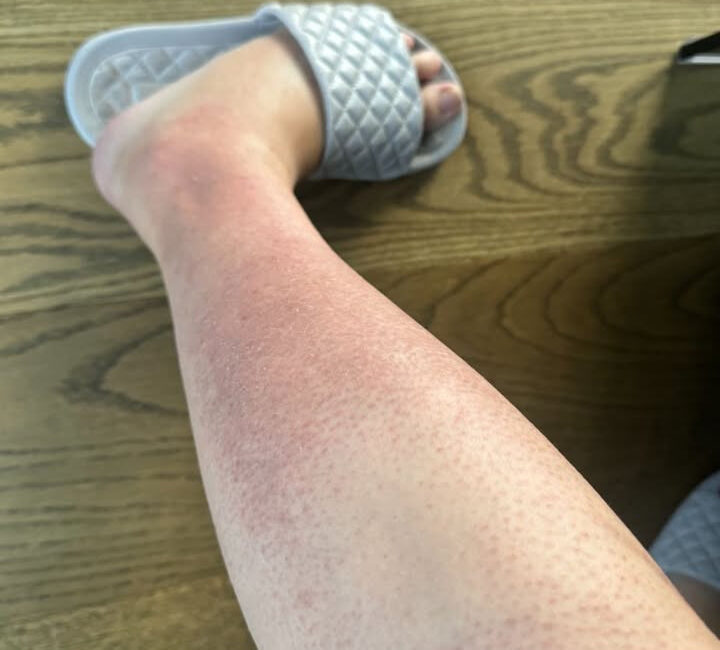
Pregnancy is a magical time, full of anticipation and change. But it’s also a time when your body undergoes many unexpected transformations—some wonderful, others, well, a bit uncomfortable or concerning. One common issue many expectant mothers face is the sudden appearance of a rash—especially when it’s itchy, bumpy, and stubborn. If you’re 18 weeks pregnant and have noticed a rash on your legs that’s driving you up the wall with itching and discomfort, you’re not alone. And while you might be frustrated by the difficulty of getting a quick appointment with your OB-GYN, there are several ways you can find relief and manage the rash until you get professional help.
This comprehensive guide is here to support you. We’ll walk through possible causes, what you can do at home for relief, when to seek immediate medical attention, and how to care for your skin during pregnancy to prevent future irritation.
Understanding the Problem: Why Do Pregnant Women Get Rashes?
Pregnancy triggers a cascade of hormonal, immune, and vascular changes in your body. These changes can sometimes cause your skin to react in unusual ways. Here are some reasons why you might develop a rash during pregnancy:
1. Hormonal Changes
The surge in hormones like estrogen and progesterone affects your skin’s sensitivity and immune response. This can cause flare-ups of pre-existing skin conditions or new sensitivities.
2. Immune System Modulation
Pregnancy modifies your immune system to protect the baby, sometimes causing it to overreact to minor irritants or allergens.
3. Increased Blood Flow and Skin Stretching
Growing blood vessels and stretching skin can cause inflammation or irritate the skin, especially on your legs where circulation can be slower.
4. Allergic Reactions
You might develop new allergies or sensitivities to products, detergents, soaps, or even fabrics during pregnancy.
5. Skin Conditions Specific to Pregnancy
Certain skin conditions occur almost exclusively in pregnancy, such as PUPPP (Pruritic Urticarial Papules and Plaques of Pregnancy) or Polymorphic Eruption of Pregnancy.
Common Types of Rashes During Pregnancy
Since rashes can look similar but have very different causes, it’s helpful to know some common pregnancy-related rashes and how they might present:
1. PUPPP (Pruritic Urticarial Papules and Plaques of Pregnancy)
- Usually appears in the third trimester but can start earlier.
- Presents as itchy, red, bumpy patches often starting on the abdomen and sometimes spreading to legs.
- The skin can be very irritated but usually resolves after delivery.
2. Atopic Eruption of Pregnancy
- Often seen in women with a history of eczema or allergies.
- Causes dry, itchy, red patches on arms, legs, and torso.
- Can appear at any point in pregnancy.
3. Prurigo of Pregnancy
- Small, itchy bumps that can appear on arms, legs, and abdomen.
- Can occur anytime during pregnancy.
- Often linked to scratching, which worsens the rash.
4. Contact Dermatitis
- Caused by allergens or irritants like soaps, detergents, or fabrics.
- Rash is usually localized where the skin touched the irritant.
5. Other Causes (Non-Pregnancy Related)
- Fungal infections like ringworm.
- Heat rash or eczema.
- Insect bites.
What Can You Do Right Now for Relief?
If your OB appointment is days or even weeks away, here are safe, practical steps you can take at home to ease your discomfort.
1. Keep Your Skin Cool and Dry
Heat and sweat worsen itching and irritation. Avoid hot showers and baths. Instead, take lukewarm showers, and gently pat your skin dry rather than rubbing.
- Dress in loose, breathable cotton clothes.
- Avoid tight socks or leggings that can trap heat or irritate.
- Use a fan or cool compresses on your legs to soothe itching.
2. Moisturize Regularly
Dry skin is often itchier. Apply gentle, fragrance-free moisturizers multiple times a day to keep your skin hydrated and to act as a protective barrier.
- Look for products labeled safe for pregnancy and free of dyes or perfumes.
- Natural options like coconut oil or shea butter can be soothing.
- Avoid harsh exfoliants or scrubs.
3. Avoid Known Irritants
- Switch to hypoallergenic, fragrance-free laundry detergents.
- Skip fabric softeners and dryer sheets, which can irritate sensitive skin.
- Avoid new soaps, lotions, or body washes until the rash clears.
4. Use Over-the-Counter Anti-Itch Products Safely
- Calamine lotion or 1% hydrocortisone cream can reduce itching but should be used sparingly and only after consulting with a healthcare provider, especially during pregnancy.
- Avoid antihistamines unless approved by your OB, as some are not recommended during pregnancy.
- Oatmeal baths (colloidal oatmeal) are gentle and effective to soothe irritated skin.
5. Practice Gentle Skin Care
- Avoid scratching as much as possible, as it worsens inflammation and can cause infection.
- Trim your nails short to minimize damage if you do scratch.
- Use cold compresses or ice packs wrapped in cloth to calm inflamed areas.
When Should You Seek Immediate Medical Attention?
While most pregnancy rashes are benign, some can signal serious conditions that require prompt care. Go to the emergency room or urgent care if you experience:
- Rash accompanied by fever, chills, or feeling very unwell.
- Rash that spreads rapidly or has blisters, open sores, or oozing pus.
- Swelling of your face, lips, tongue, or difficulty breathing.
- Severe itching interfering with sleep or causing emotional distress.
- Signs of infection such as warmth, redness, or pain around the rash.
click page 2 to continue