A clogged kitchen sink is one of the most annoying problems any homeowner can face. One moment, you’re washing dishes or rinsing vegetables, and the next, you’re staring at a pool of greasy, murky water that refuses to drain. The sink becomes unusable, the smell begins to creep in, and your whole kitchen routine is disrupted.
But here’s the good news: you don’t need to spend money on a plumber or expensive chemicals to solve this problem.
In this guide, you’ll learn how to unclog a kitchen sink quickly and cheaply using household items and a simple method that anyone can follow. It’s safe, effective, and works like magic when done right.
Let’s jump right in.
Why Your Kitchen Sink Gets Clogged
Before diving into the solution, it’s helpful to understand why clogs happen in the first place. Knowing the cause helps prevent future problems and ensures your fix lasts longer.
Common Reasons for Kitchen Sink Clogs:
- Grease and oil: When hot, grease looks harmless. But as it cools, it hardens inside your pipes and traps food and debris.
- Food particles: Leftover rice, pasta, potato peels, and coffee grounds build up and create a dense blockage.
- Soap scum: Over time, soap residue can harden and combine with grease to form sticky clogs.
- Mineral buildup: Hard water deposits minerals inside your pipes, making them narrow and prone to blockages.
- Foreign objects: Small utensils, bottle caps, or chunks of sponge can accidentally fall into the drain.
The Fastest and Cheapest Way to Unclog Your Kitchen Sink
No fancy tools. No chemical drain cleaners. No plumbing experience required.
This method uses a few everyday items and takes less than an hour from start to finish. The combination of heat, pressure, and chemical reaction breaks down most clogs and restores full drainage.
What You’ll Need:
- Boiling water
- Dish soap
- Baking soda (1 cup)
- White vinegar (1 cup)
- Plunger (optional but helpful)
- Salt (optional but powerful)
Step-by-Step Instructions
🔹 Step 1: Remove Standing Water
If the sink is completely backed up, use a cup or small bowl to scoop out as much water as possible. Dump it into a bucket or another sink. This gives your unclogging mixture direct access to the blockage.
🔹 Step 2: Add Boiling Water
Boil a full kettle or large pot of water. Once it’s ready, pour it slowly down the drain in small bursts. Let it sit for a few seconds between pours.
Why it works: Boiling water melts grease and loosens soft clogs. Sometimes, this alone is enough to fix a slow drain.
If water starts draining better after this step, you’re making progress.
🔹 Step 3: Add Dish Soap
Next, squirt about two tablespoons of grease-cutting dish soap directly into the drain. Let it sit for 5 to 10 minutes.
Dish soap helps break down grease that boiling water may have softened. After it sits, follow with another round of boiling water.
At this point, your drain may already be flowing. If not, continue with the next steps.
🔹 Step 4: Use Baking Soda and Vinegar
This is where the magic happens.
- Pour 1 cup of baking soda down the drain.
- Slowly pour 1 cup of white vinegar on top of it.
- Quickly cover the drain with a stopper, plate, or cloth.
You’ll hear fizzing and bubbling — that’s the chemical reaction doing its job. Let the mixture sit and work for 15 to 30 minutes.
This reaction loosens buildup, dissolves grime, and clears small obstructions.
🔹 Step 5: Flush With Boiling Water Again
Once the baking soda and vinegar have done their job, boil more water and pour it slowly down the drain. This final flush clears away any loosened debris.
If the water drains normally, your clog is cleared. If it’s still slow or standing, move on to the next step.
🔹 Step 6: (Optional) Use a Plunger
If the clog is still present, grab a kitchen sink plunger. Not to be confused with a toilet plunger, this type has a flat bottom designed for sink use.
- Seal off the second drain if you have a double sink (use a wet towel).
- Place the plunger over the clogged drain and pump it up and down with force 10–20 times.
- Remove the plunger and run hot water.
If the clog isn’t too deep, the suction should loosen and push it through.
🔹 Step 7: Salt and Hot Water (Bonus Method)
If you don’t have baking soda or vinegar, this method works surprisingly well too.
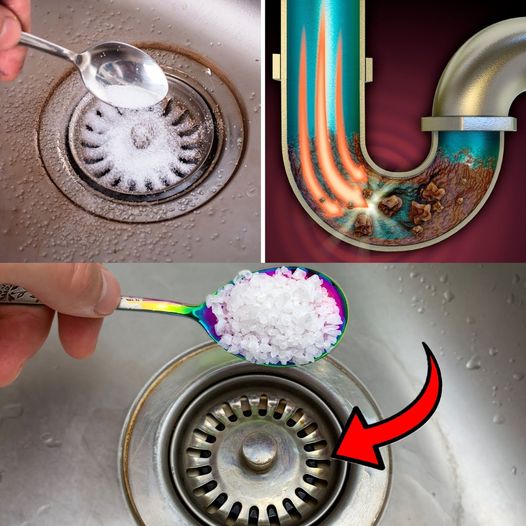
- Pour ½ cup of table salt down the drain.
- Immediately pour boiling water after it.
- Let it sit for 15–30 minutes, then flush with more hot water.
Salt acts as a mild abrasive and absorbs moisture from grease clogs, making it easier to break down.
Other DIY Methods That Work
If the above steps don’t work—or you’re dealing with recurring clogs—there are a few other low-cost tools you can try.
click page 2 to continue