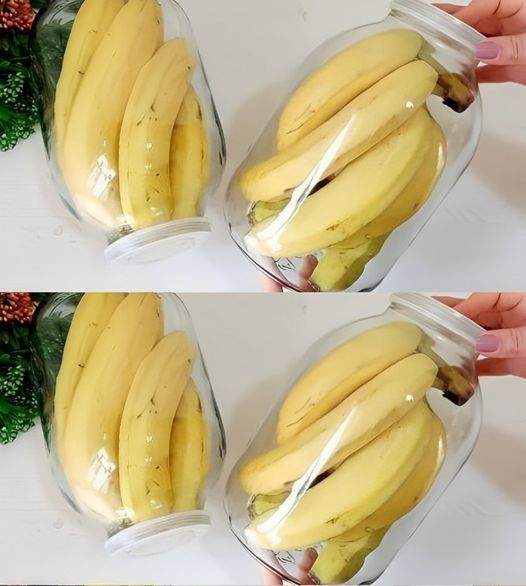
We’ve all been there: you bring home a perfect bunch of bananas, and within days they’ve turned brown and mushy. Other fruits don’t fare much better. Apples go soft, berries mold overnight, and avocados ripen too fast (or not at all). If you’re tired of throwing away spoiled fruit, you’re not alone.
Every year, millions of households waste fresh produce simply because fruits ripen faster than expected. The problem isn’t just frustrating—it’s expensive and unsustainable. But what if there was one reliable method that could help you keep bananas and other fruits fresh far longer?
Not a gimmick. Not a “hack.” Just a real, effective way to keep your fruits fresher—naturally and consistently.
Welcome to the only strategy you need to preserve your fruit and finally stop wasting money.
Why Fruits Spoil So Quickly—Especially Bananas
Before we get into the method, you need to understand why fruits spoil in the first place—especially bananas, which seem to have the shortest shelf life.
🍌 The Culprit: Ethylene Gas
Fruits like bananas, apples, and avocados release ethylene gas, a natural hormone that speeds up ripening. Bananas release more of this gas than most fruits, which is why they not only ripen fast on their own—but also speed up the ripening of other fruits around them.
This is why your apples go soft faster when they sit near bananas, and why one overripe banana can turn an entire fruit bowl into a mess.
The Only Method That Actually Works
There are countless tips online, but only one comprehensive approach truly works to extend the life of bananas and other fruits. It’s not a single trick—it’s a combination of five essential principles working together:
✅ 1. Control Ethylene Gas
✅ 2. Allow Proper Airflow
✅ 3. Manage Temperature and Humidity
✅ 4. Store Fruits Separately
✅ 5. Use Smart Wrapping and Containers
Let’s break it all down so you can put it into action starting today.
1. Control Ethylene Gas to Slow Ripening
Controlling ethylene gas is the most critical step in extending the life of fruit—especially bananas.
How to do it:
- Wrap Banana Stems: Wrap the top (stem) of the banana bunch with plastic wrap, foil, or beeswax wrap. This slows down the release of ethylene gas from the stem, which is the source.
- Keep Bananas Away From Other Fruits: Never store bananas next to ethylene-sensitive fruits like apples, pears, or avocados.
- Use Ethylene Absorbers: You can buy ethylene gas absorber packets online and place them in your fruit bowl or fridge drawer. These help trap the gas and keep fruits fresher longer.
- Break Up the Bunch: Separate bananas from the bunch so they’re not all exposed to each other’s ripening gas.
2. Allow Proper Airflow Around Fruits
Fruits need to breathe. When you trap them in closed containers or plastic bags, moisture and gases build up and cause faster spoilage.
Best Practices:
- Avoid Plastic Bags: Unless perforated, they trap moisture and speed up mold and rot.
- Use Mesh or Cloth Bags: These allow airflow while preventing bruising.
- Don’t Stack Fruits: Overcrowding damages delicate fruits and limits air circulation.
- Use Fruit Baskets With Open Sides: This helps maintain even airflow and temperature.
3. Manage Temperature and Humidity Like a Pro
Not all fruits like the same conditions. Bananas, in particular, are temperature-sensitive.
Bananas:
- Keep at Room Temperature: Ideal range is 58°F–70°F (14°C–21°C).
- Don’t Refrigerate Green Bananas: Cold temperatures stop them from ripening properly.
- Refrigerate Only When Ripe: Once bananas are yellow and spotty, you can refrigerate them to halt further ripening. The peel may turn brown, but the fruit inside will stay fresh.
Other Fruits:
- Berries: Store in the fridge, but never wash until ready to eat.
- Apples & Pears: Keep in the fridge away from other fruits.
- Citrus: Store in a cool, dry drawer or the fridge, but keep them dry to prevent mold.
- Stone Fruits: Let ripen at room temp, then refrigerate to maintain freshness.
4. Store Fruits Separately (Don’t Mix and Match)
Different fruits release and respond to ethylene differently. Mixing them together in one bowl is the fastest way to shorten shelf life.
Follow These Tips:
- Separate Ethylene-Producers From Ethylene-Sensitive Fruits
- Producers: Bananas, apples, avocados, peaches, tomatoes
- Sensitive: Berries, grapes, citrus, leafy greens
- Group Fruits by Ripeness: Keep ripe fruits away from unripe ones to prevent over-ripening.
- Use Dividers in Your Fridge or Counter Storage: Even a simple tray system can keep fruits apart and extend their life.
5. Use Wrapping and Containers Wisely
How you store your fruit matters just as much as where you store it.
Bananas:
- Wrap the Stems: As mentioned, this is key for slowing ethylene gas release.
- Break and Store Individually: This avoids the “domino effect” where one overripe banana spoils the others.
- Use a Banana Hanger: Keeps bananas from bruising and allows airflow.
Other Fruits:
- Line Containers With Paper Towels: Especially for berries and grapes. This absorbs moisture and reduces mold.
- Use Vented Containers: These help control humidity and airflow.
- Don’t Wash Until You’re Ready to Eat: Moisture is the enemy of longevity.
How Long Can Fruits Last With This Method?
When you follow this full system, here’s how long you can expect your fruits to last—compared to typical storage:
| Fruit | Typical Shelf Life | With This Method |
|---|---|---|
| Bananas | 3–5 days | 7–10 days (room temp), up to 2 weeks (fridge after ripe) |
| Apples | 1–2 weeks | 4–6 weeks (in fridge) |
| Berries | 3–4 days | 7–10 days (dry, in fridge) |
| Avocados | 3–5 days | Up to 10 days (controlled ripening) |
| Grapes | 5–7 days | 10–14 days (in vented box) |
| Citrus Fruits | 2–3 weeks | 3–4 weeks (fridge) |
Fruit Fly Prevention 101
Where there’s ripening fruit, there are fruit flies. Use these tips to keep them away:
- Clean Fruit Regularly
- Store Overripe Fruit in the Fridge
- Set Apple Cider Vinegar Traps
- Empty Trash and Compost Often
- Keep Countertops Dry and Crumb-Free
Bonus Tips for Even Longer Freshness
If you’re serious about keeping fruits fresh, here are a few advanced strategies:
🍓 Invest in Produce Saver Containers
These have ventilation and moisture-control technology specifically for fresh produce.
🥶 Freeze What You Can
Bananas, berries, and mangoes freeze well. Just peel and store in airtight bags for smoothies and baking.
🍌 Dehydrate for Longer Shelf Life
Use a food dehydrator to turn ripe fruit into healthy snacks that last for months.
🧊 Store Cut Fruit in Glass
Cut fruit lasts longer in airtight glass containers than in plastic or uncovered bowls.
Final Thoughts: Simplicity + Consistency = Freshness
Most fruit storage issues come down to a lack of awareness and the wrong environment. But now you know the truth:
- Bananas ripen fast because of ethylene gas
- Fruits need to be separated and ventilated
- Room temperature, airflow, and timing are everything
Use this method consistently, and you’ll notice a real difference—not just in freshness, but in the amount of food (and money) you save every week.