It started like any ordinary evening. The kitchen lights glowed softly, the clatter of dishes echoed through the room, and the familiar scent of a home-cooked meal lingered in the air. My husband was at the sink, tackling a post-dinner pile of dishes when he paused, holding up a small object between his fingers.
“What’s this?” he asked, curiosity in his voice.
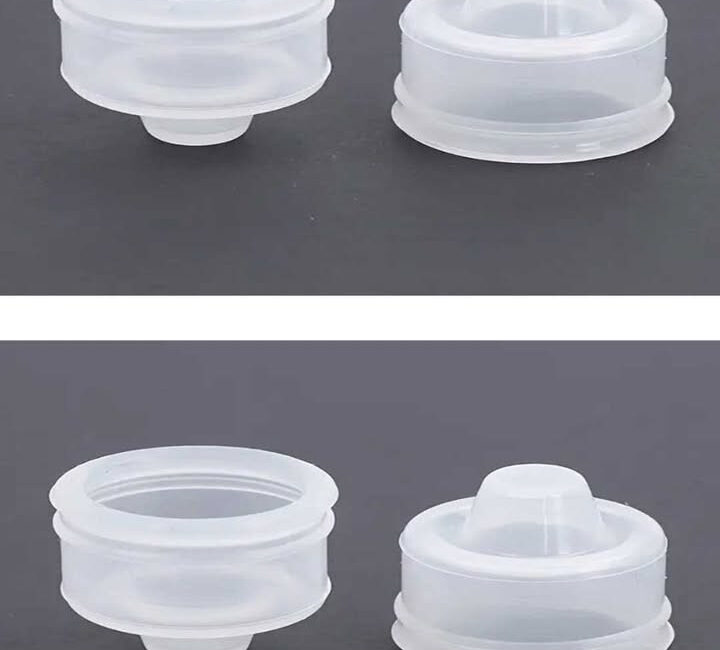
There it was—a tiny silicone thing. Unassuming, light gray in color, and about the size of a quarter. It had a hole in the center and a smooth, rubbery texture. Instantly, a flicker of familiarity shot through me. I had definitely seen this before. But where? And more importantly—what was it?
That one tiny object became the center of a household mystery, sparking a full-on investigation. Was it from a kitchen appliance? Part of a child’s toy? Something from our car or bathroom? It was time to solve the puzzle. What we discovered not only demystified the silicone stranger but also taught us a surprising amount about everyday household devices and the crucial roles small components play.
Chapter 1: First Contact — Observing the Silicone Enigma
Our first step was observation.
Shape: Round and flat with a small hole in the middle.
Material: Flexible silicone, heat-resistant to the touch.
Color: Neutral gray, slightly translucent under light.
Size: Roughly the diameter of a nickel.
Condition: Clean, slightly worn, but intact.
As we turned it over in our hands, the question became: What device in our home could this possibly belong to?
We considered possibilities:
- Could it be a part from a blender gasket?
- Was it something from a baby bottle or pacifier?
- Could it be a seal or washer from a coffee maker, Instant Pot, or other kitchen appliance?
We had no clear answers yet, but the journey of deduction had begun.
Chapter 2: The Kitchen Appliance Deep Dive
The first suspect? The kitchen.
Silicone components are commonly used in high-temperature environments, making them ideal for parts in appliances like:
- Pressure cookers
- Air fryers
- Blenders
- Espresso machines
- Kettles
- Slow cookers
We opened drawers, pulled apart lids, checked under baskets and handles. Nothing missing. Everything seemed in place. Still, something kept pulling our attention back to the pressure cooker—a silent workhorse in many kitchens, including ours.
Chapter 3: The Pressure Cooker Revelation — Enter the Float Valve Gasket
After comparing our mystery object with parts inside the pressure cooker, it clicked. It was almost certainly a float valve gasket.
Now, if you’re not familiar with this tiny yet vital part, you’re not alone. Most people who own a pressure cooker—whether a classic stovetop model or a modern electric version—rarely think about the float valve or its gasket. But here’s why it matters.
What Is a Float Valve?
The float valve is a small metal pin that rises as pressure builds inside the cooker. It lets you know the pressure level and locks the lid shut during cooking, preventing it from being opened prematurely.
What Does the Gasket Do?
The float valve gasket is a small silicone ring or cap that sits snugly around the float valve. Its job is critical:
- Maintains airtight pressure inside the cooker
- Prevents steam leakage
- Ensures consistent temperature and cooking time
- Serves as a safety measure to prevent accidents
Without it, your pressure cooker may not seal correctly. Steam could escape, or worse, the cooker might not pressurize at all. A missing or damaged gasket can lead to undercooked food, longer cook times, and potential safety risks.
Chapter 4: How It Got in the Sink — The Accidental Dislodgement
Knowing what it was gave rise to a new question: How did it end up in the sink?
If you’ve ever cleaned the lid of a pressure cooker, you know the float valve gasket is small and easily removed. During washing or even vigorous drying, it can pop off unnoticed and slide into the sink unnoticed. Silicone is slippery when wet—literally—and the piece probably clung to the side of the lid or stayed hidden in a sponge or drying cloth until dislodged.
This is a common household mishap and happens more often than you might think.
Chapter 5: The Consequences of a Missing Float Valve Gasket
You might be tempted to think, “It’s just a tiny piece of rubber—how important can it be?” The answer? Very important.
Here are the high-risk consequences of operating a pressure cooker without this small component:
1. Loss of Pressure
Without a proper seal, the pressure won’t build, or it might build unevenly. This can throw off cooking times and results, especially for recipes requiring exact pressure levels.
2. Steam Leakage
Steam escaping from the float valve area can be a sign that the gasket is either missing or damaged. This not only increases cooking time but creates a burn hazard in the kitchen.
3. Mechanical Failure or Error Codes
Modern electric pressure cookers use sensors to detect pressure. A malfunctioning gasket can trigger error codes, preventing the cooker from starting.
4. Damaged Food Quality
Undercooked meat, crunchy beans, or soggy rice—these are all signs that your pressure cooker isn’t working at full efficiency due to something as small as a missing gasket.
Chapter 6: The Bigger Picture — Why Small Silicone Parts Matter
Click page 2 for more