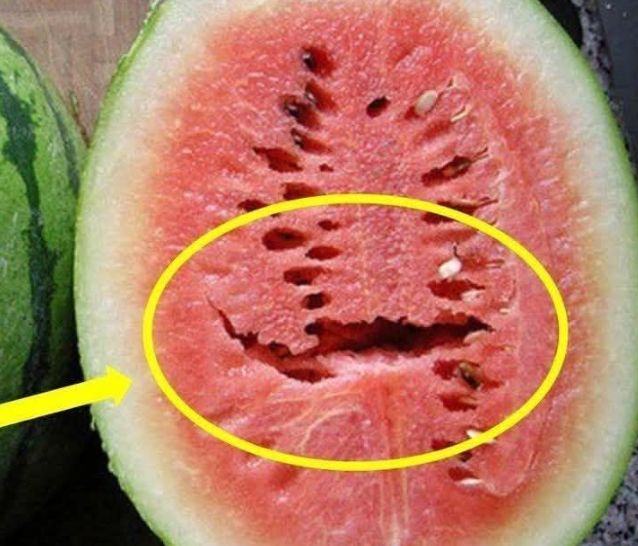
Watermelons are a popular summer fruit that many people enjoy for their sweet, refreshing taste and high water content. Whether you slice it up for a picnic, toss it into a fruit salad, or simply enjoy it on a hot day, watermelon has a way of making the warm months even more enjoyable. However, despite their seemingly harmless nature, watermelons can pose risks that many people don’t realize. This article will explore why you should throw out a watermelon if you see something unusual inside, and what specific signs to look for that indicate a watermelon is no longer safe to eat.
1. The Importance of Inspecting Watermelons Before Eating
When you’re choosing a watermelon, you often focus on the exterior—its shape, color, and sound when tapped. But the interior of the fruit is just as important to assess before you dive in. While most watermelons are perfectly safe and delicious to eat, there are specific red flags that can signal that the fruit is no longer fresh or, in some cases, may even be dangerous to consume.
Watermelons can, in rare circumstances, develop issues related to spoilage, contamination, or even pests. Understanding these risks can help you make informed decisions and prevent any unpleasant surprises.
2. The Pests and Fungus That Can Infect Watermelons
One of the first things to be wary of when slicing into a watermelon is the potential for pests or fungi inside the fruit. These microscopic organisms or insects can sometimes make their way into watermelons, leading to unpleasant effects on both the fruit and your health.
The Risk of Mold or Fungus
Mold and fungal growth can sometimes appear inside watermelons, particularly if the fruit has been sitting around for a while or has been improperly stored. If you notice black or green spots inside the flesh of the watermelon, it could indicate mold or fungal growth. Mold may develop if the watermelon was stored in a warm, humid environment for too long or was damaged during transport, leading to the growth of spores.
Why It’s Dangerous:
Mold is harmful because it produces mycotoxins, which are toxic to humans. Consuming moldy watermelon can lead to gastrointestinal issues, allergic reactions, and, in severe cases, even more serious health conditions. If you see any signs of mold, it’s best to discard the watermelon and not risk eating it.
Insect Infestation
Another reason to throw out a watermelon is if you discover that it has been infested by insects. Watermelons can sometimes fall prey to pests like fruit flies, ants, or even rodents, especially if the fruit is damaged or left out in hot, humid conditions. While some insect activity might be visible on the skin of the watermelon, in rare cases, insects might burrow into the flesh of the fruit itself.
Why It’s Dangerous:
Eating a watermelon that’s been infested with insects, especially if the insects have laid eggs inside, is unhygienic and could lead to foodborne illness. Even if the insects are dead, the bacteria they leave behind can contaminate the fruit, causing potential harm to your health. While many people might cut away the affected area, the risk of contamination can still exist in the remaining flesh.
3. The Presence of Black Seeds: A Sign of Overripe or Spoiled Watermelon
When you cut open a watermelon, one of the most noticeable features is the seeds. Typically, watermelon seeds are white, light brown, or black, with some varieties of watermelon having fewer seeds. However, you should be cautious if you find that the watermelon has an unusually high concentration of black seeds.
What Black Seeds Mean:
If you see a watermelon that’s filled with many dark, almost black seeds, it could be a sign that the fruit is overripe or has started to spoil. While watermelon seeds are edible and generally harmless, they can become tough, bitter, and undesirable if the fruit has gone past its prime.
If you cut into a watermelon and find that most of the seeds are black and the flesh is soft or mushy, it’s an indicator that the fruit has begun to decompose. This may also mean that the watermelon has started to ferment, especially if you notice an unusual or sour odor.
Why It’s Dangerous:
Overripe watermelons are not only unpleasant to eat, but they can also harbor harmful bacteria as they begin to rot. While the seeds themselves aren’t harmful in small quantities, they can cause digestive discomfort if the watermelon is too far gone.
4. The White or Yellow Interior: A Sign of a Contaminated Watermelon
Under normal circumstances, a watermelon’s flesh should be a bright, vibrant red or pink. However, there are times when you may slice open a watermelon only to find that its interior is pale white or yellowish in color.
The Causes of a White or Yellow Watermelon
A watermelon’s flesh can turn white or yellow if the fruit is underdeveloped or has not reached its full ripeness. While this can happen in the early season or with certain varieties of watermelon, it’s usually a sign that the watermelon was harvested too early. These underdeveloped melons may not only lack flavor but also contain an excess of water and have a soft, unappealing texture.
Why It’s Dangerous:
Eating a watermelon that is underdeveloped may cause digestive issues since the fruit hasn’t reached its full sugar content and can be harder for your stomach to process. In addition, the pale color may be indicative of potential contamination or the use of improper growing practices. If you’re unsure about the quality of the melon, it’s better to discard it rather than risk an upset stomach.
5. The Unexpected Dark or Red Streaks: A Sign of Disease
Sometimes when you slice into a watermelon, you might notice dark red or purple streaks running through the flesh. While this might seem like a strange anomaly, it could indicate a disease that has affected the melon. One of the most common diseases affecting watermelons is anthracnose, a fungal disease that creates discolored streaks and spots within the fruit.
What Dark Streaks Mean:
Anthracnose often causes dark streaks or lesions inside the fruit, which may be surrounded by a watery, mushy area. This disease is caused by the fungus Colletotrichum, which can infect the watermelon during its growth, leading to these internal defects.
Why It’s Dangerous:
Fungal diseases like anthracnose can cause the watermelon to decay prematurely, and the affected areas may harbor harmful bacteria. The presence of dark streaks is an indication that the fruit is no longer safe for consumption, and it should be discarded immediately.
6. The Bitter Taste: A Warning Sign of a Toxic Watermelon
One of the most disturbing experiences with watermelon can occur when you take a bite and realize that the fruit tastes bitter. While it’s rare, there are instances where watermelons can develop a bitter taste due to certain conditions. These include the use of pesticides, over-fertilization, or even improper storage conditions.
The Effects of Bitter Watermelon
Watermelons that have a bitter taste may be the result of exposure to certain chemicals, like pesticides or herbicides, which can affect the natural sweetness of the fruit. Additionally, overly fertilized watermelons may produce higher concentrations of chemical compounds, leading to a more bitter flavor.
Why It’s Dangerous:
While a bitter taste doesn’t necessarily mean the watermelon is harmful, it’s always a good idea to throw out any fruit that tastes unpleasant, as it could be indicative of poor farming practices or contamination. In some cases, consuming large amounts of bitter fruit could lead to digestive discomfort or allergic reactions.
7. The Sour Smell: A Clear Sign of Spoilage
A sour or rancid odor emanating from a watermelon is one of the clearest indicators that the fruit has gone bad. Fresh watermelon should have a sweet, slightly fruity scent, but if you notice a sour or fermented odor, it’s best to throw it out.
What Causes the Sour Smell?
The sour smell often occurs when bacteria or yeast begin to break down the sugars in the watermelon, causing it to ferment. This fermentation process can lead to the production of gases, resulting in a foul odor. If you detect this smell when you cut into a watermelon, it’s a sure sign that the fruit has begun to spoil and is unsafe to eat.
Why It’s Dangerous:
Eating watermelon that has started to ferment can lead to gastrointestinal discomfort, including nausea, vomiting, and diarrhea. The bacteria involved in the fermentation process can also cause food poisoning, making it critical to dispose of the fruit immediately if it emits a sour smell.
8. Conclusion: Don’t Take Risks with Your Watermelon
Watermelon is a delicious and nutritious fruit, but like any food, it has its limits. If you encounter any of the signs mentioned above—whether it’s mold, insects, black seeds, discoloration, dark streaks, bitterness, or an unpleasant odor—don’t hesitate to throw it out. Your health and safety should always come first, and consuming spoiled or contaminated watermelon could lead to foodborne illnesses, allergic reactions, or digestive problems.
By inspecting your watermelon carefully and understanding what to look for, you can enjoy this refreshing fruit without worry. Always remember: when in doubt, it’s better to err on the side of caution and toss the watermelon. Stay safe, and enjoy your summer fruits with confidence!