Washing machines have revolutionized the way we handle laundry, making the process faster, easier, and more efficient than ever before. However, as much as these machines simplify life, they also require regular maintenance to perform at their best.
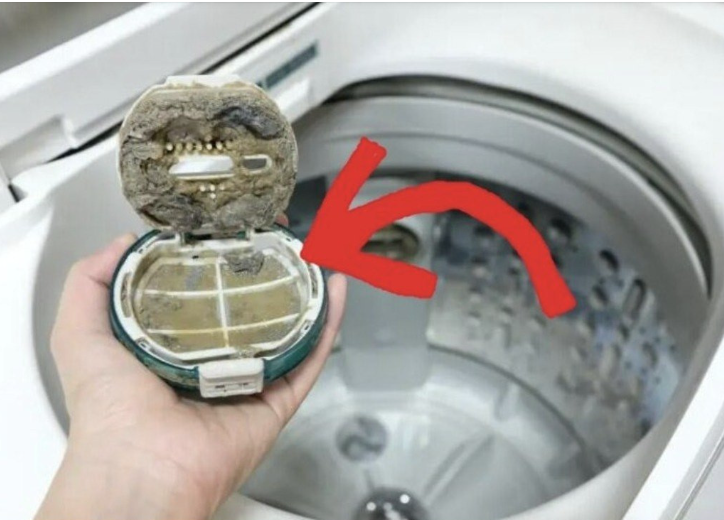
Many people focus solely on washing detergent, fabric softeners, or even the washing cycles — but overlook one tiny yet crucial part inside their washing machine. This small component, if ignored, can lead to unpleasant odors on clothes, inefficient washing cycles, and even cause your machine to wear out faster.
But the good news? Opening and cleaning this part just once a month can:
- Keep your clothes smelling fresh every time
- Improve your washing machine’s durability
- Prevent mold and bacteria buildup
- Optimize water drainage and flow
- Ensure your appliance runs smoothly for years
In this article, we will dive deep into what this small but powerful part is, why it matters, and exactly how to maintain it. Whether you own a front-loading or top-loading washing machine, this guide is packed with expert tips and step-by-step instructions to help you keep your laundry routine running at peak performance.
What is This Small Part Inside Every Washing Machine?
Inside every washing machine — regardless of brand or model — there is a component known as the drain pump filter or sometimes simply the lint filter. Though the name varies depending on the manufacturer, its function remains largely the same.
The drain pump filter is typically a small, circular or rectangular compartment located near the bottom front or rear of your washing machine. It serves as the first line of defense in catching lint, debris, coins, hair, and small objects that could otherwise clog the drainage system or damage the pump.
Many people don’t even know this part exists, let alone understand how vital it is to the overall health of their washing machine.
Why Cleaning the Drain Pump Filter is Critical
1. Prevents Unpleasant Odors
A clogged or dirty drain pump filter traps wet lint, food particles, detergent residue, and sometimes even hair. Over time, this debris starts to decay and breed bacteria and mold, creating a musty smell that can transfer to your clothes.
The result is laundry that smells less than fresh, no matter how much detergent or fabric softener you use.
2. Improves Water Drainage and Efficiency
When debris builds up in the filter, it obstructs water flow, causing slower drainage or even drainage failure. This not only leads to longer wash cycles, but may also cause the washer to stop mid-cycle or display error codes.
A clean filter ensures that water drains efficiently, allowing the washing machine to work faster and more effectively — saving you time and reducing your energy bill.
3. Prolongs Machine Lifespan
A clogged filter puts additional strain on the drain pump, potentially causing it to overheat or malfunction prematurely. Repeated exposure to clogging and poor drainage can result in costly repairs or the need for a full replacement.
Regularly opening and cleaning the filter helps reduce wear and tear, keeping your washing machine durable and reliable for many years.
4. Prevents Clothing Damage
When water doesn’t drain properly due to blockages, clothes remain soaked longer than necessary. This can weaken fabrics, cause color bleeding, and even foster bacterial growth on your garments — all things you want to avoid.
How Often Should You Clean the Drain Pump Filter?
For optimal performance, it is recommended to open and clean the drain pump filter at least once a month. If you have a large household or frequently wash heavily soiled clothes (like sports gear or work uniforms), you might want to do this every two weeks.
Regular cleaning prevents buildup before it becomes a problem and keeps your washing machine running efficiently.
Step-by-Step Guide: How to Clean Your Washing Machine’s Drain Pump Filter
Cleaning your washing machine’s drain pump filter is a simple task that anyone can perform, even without technical expertise. Here’s a detailed step-by-step guide to help you through the process safely and effectively.
Step 1: Unplug Your Washing Machine
Safety first! Always unplug the washing machine from the electrical outlet before performing any maintenance.
Step 2: Locate the Drain Pump Filter
Click page 2 for more