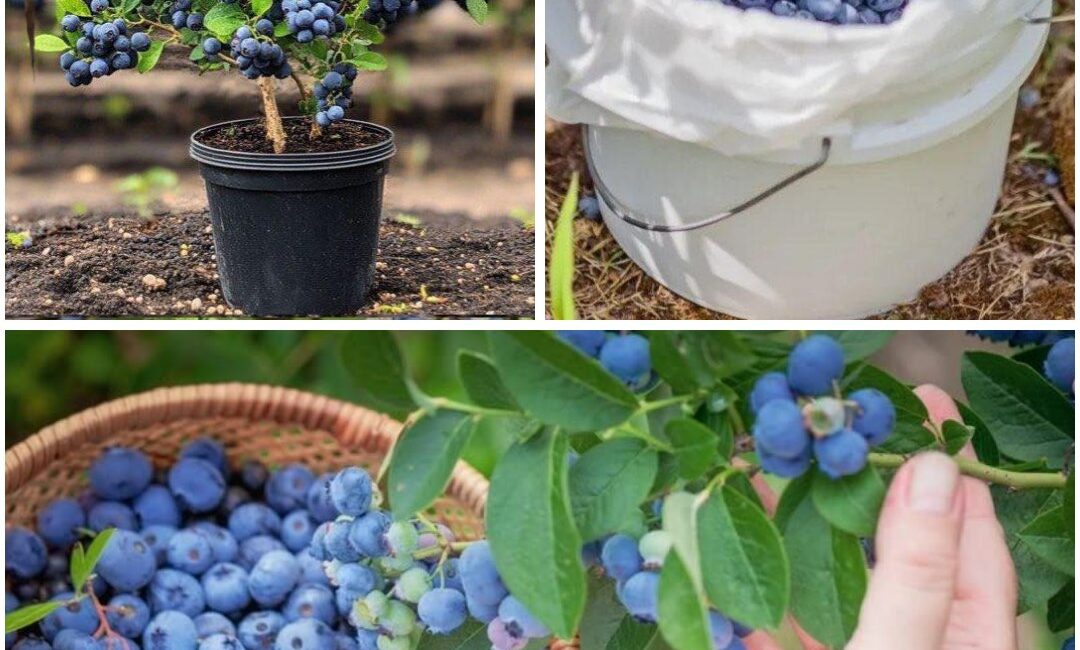
Blueberries are among the most rewarding fruit bushes you can grow. They deliver delicious, nutritious berries, attract pollinators, and can add beauty to your garden or patio. But growing a bountiful harvest takes more than just planting a bush and waiting. Soil, variety, climate, and consistent care all matter. The good news: with the right approach, you can grow abundant blueberries, whether you live in a cold northern region, a warm southern climate, or even in containers with limited space.
This guide will walk you through everything you need to know to get big blueberry yields—everywhere.
Table of Contents
- Overview: Why Blueberries Are Worth Growing
- Choosing the Right Variety for Your Climate
- Understanding Soil & pH Requirements
- Planting: When, Where, and How
- Watering, Mulching, and Maintaining Moisture
- Fertilization: What, When, How Much
- Pruning, Training, and Managing Plant Structure
- Pest, Disease & Wildlife Protection
- Growing in Containers & Raised Beds
- Harvesting & Post‑Harvest Care
- Common Mistakes to Avoid
- Adjusting Your Practices By Region
- Conclusion & Tips for Abundant Yield
1. Overview: Why Blueberries Are Worth Growing
Blueberries are celebrated for their:
- Health benefits: high in antioxidants, vitamins, fiber, low in calories.
- Versatility: fresh eating, jams, baking, freezing.
- Beauty: attractive bushes, lovely foliage, blossoms.
- Wildlife value: bees, birds, beneficial insects.
However, blueberries are also somewhat particular. To get large, flavorful harvests, you’ll need to meet their needs for acidic soil, adequate moisture, sun, and the right variety.
2. Choosing the Right Variety for Your Climate
One of the most important decisions is selecting a blueberry variety suited to your climate. There are several main types:
- Northern Highbush: classic varieties, cold hardy. Require cold winters (chill hours). Good for temperate or cold climates. Fine Gardening+2Earth Science+2
- Southern Highbush: bred for milder winters, less chill required; better adapted for warmer climates. Earth Science+1
- Rabbiteye: very heat tolerant, long-lived in southern climates. Less cold hardy but tolerant to warm, humid summers. Grow Organic+1
- Lowbush / Wild blueberries: more compact, grow close to ground; often in colder climates. Fine Gardening+1
- Half-High / Dwarf: crosses that combine cold tolerance with smaller size; good for containers or limited space. HGTV+1
Tips for choosing:
- Check your region’s chill hours (hours of cold below certain temperature required for dormancy). Match variety to that.
- Know your average minimum winter temperature; select variety hardy enough.
- If summers are very hot, choose heat tolerant varieties or provide partial shade during hottest part of day.
3. Understanding Soil & pH Requirements
Blueberries are acid-loving. If your soil isn’t acidic, you’ll struggle with poor growth, yellow leaves, little fruit.
Key Soil Requirements:
- pH: ideally between 4.5 and 5.5. Some sources say acceptable up to ~5.7 if well amended. The Environmental Literacy Council+3Grow Organic+3Fine Gardening+3
- Well-drained: Blueberries hate “wet feet.” Waterlogged soils lead to root rot. Grow Organic+2Annette Thurmon+2
- High organic matter: Peat moss, pine bark, compost, etc., help hold moisture, supply nutrients, improve soil structure. Fall Creek Nursery+3Farming Tips+3Grow Organic+3
- Texture: loamy or sandy soils are best; clay soils need amending or use raised beds/containers. Grow Organic+1
Soil Tests & Amending
- Test your soil’s pH before planting. Many garden centers sell affordable pH kits.
- If pH is too high (alkaline), add elemental sulfur, acidifying fertilizers, peat moss, pine needles or pine bark mulch. The Environmental Literacy Council+3Fine Gardening+3Better Homes & Gardens+3
- If pH is too low (rarely), you can lightly lime—but this is less common.
- Maintain soil organic content: annually top up mulch, compost.
4. Planting: When, Where, and How
Getting the planting right is foundational for future abundance.
When to Plant
- Best time: early spring, after the chance of hard frost has passed, while plants are still dormant. Some climates allow fall planting if mild winters. HGTV+2Grow Organic+2
Where to Plant
- Choose a location with full sun: ideally 6–8 hours of direct sun per day. Less sun = fewer berries, slower growth. Earth Science+1
- Good air circulation helps reduce fungal disease. Avoid places where cold air or frost settles.
- Shelter from strong winds, which can dry out plants or damage blossoms.
How to Plant
- Dig a hole larger than root ball—often root systems are shallow but wide. Loosen soil at bottom.
- Mix existing soil with acid materials: peat moss, bark, compost. Create a “planting mix” if needed. Fall Creek Nursery+2Fine Gardening+2
- Set plant at same depth as in the pot. Do not bury crown too deep.
- Mulch heavily around newly planted bushes to conserve moisture, suppress weeds.
Spacing
- Bush spacing depends on size: large bushes (e.g. highbush) may need 4‑6 feet (~1.2‑1.8 m) between plants. Farming Tips+1
- If planting rows, allow enough between rows for access and airflow.
5. Watering, Mulching, and Maintaining Moisture
Blueberries have shallow, fibrous roots and are sensitive to drought. Consistent moisture is essential.
Watering
- Keep soil evenly moist, not soggy. Deep, infrequent watering is better than frequent shallow watering.
- In hot/dry climates, more frequent watering needed. Use drip irrigation or soaker hoses to deliver water directly to root zone. Grow Organic+1
Mulching
- Use organic mulches: pine needles, shredded bark, leaf mold. Mulch helps maintain acidity, retain moisture, suppress weeds. Fine Gardening+1
- Apply 2‑4 inches (5‑10 cm) of mulch around the base, keeping mulch a little away from plant crowns to prevent rot.
6. Fertilization: What, When, How Much
Feeding your bushes properly helps with healthy foliage and large berries.
When to Fertilize
- Usually start feeding the second year after planting (allowing roots to get established). Overfeeding young bushes can damage them. The Spruce+2Farming Tips+2
- Early spring (bud break), after flowering/fruits set, and sometimes mid-summer if needed.
- click page 2 to continue