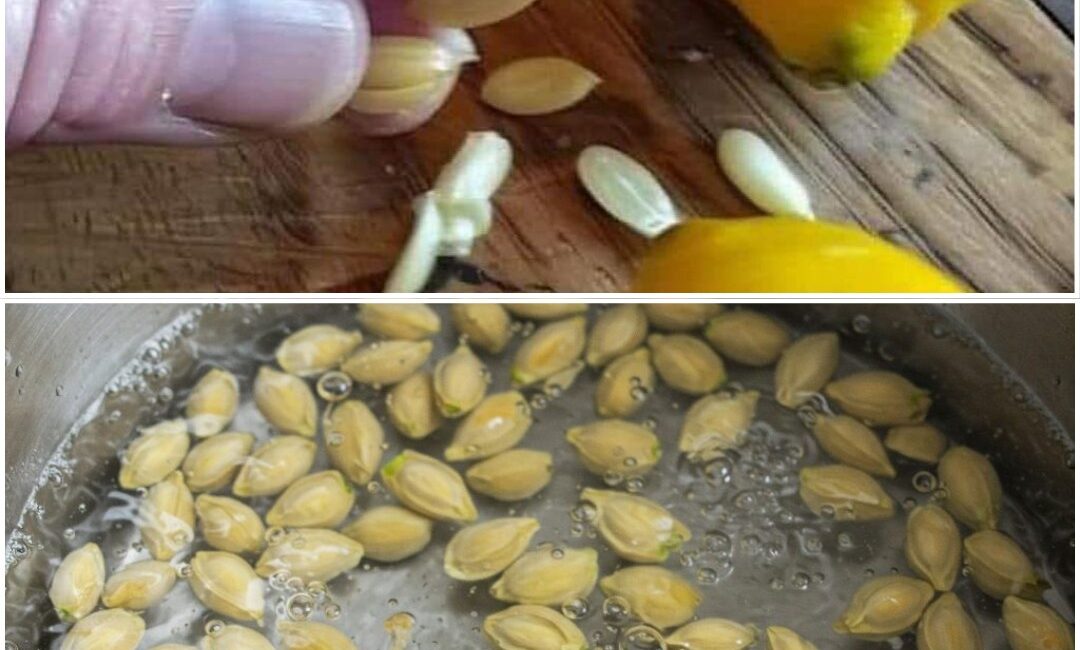
Every time you squeeze a lemon—whether for a refreshing drink, cooking, or cleaning—you likely discard the seeds without a second thought. But those little white or cream‑colored seeds hiding inside the pulp are often overlooked treasures. Instead of treating them as waste, you can put them to use in surprising, useful, and eco‑friendly ways around your home. In this article, you’ll discover 10 clever ways to reuse lemon seeds—for beauty, gardening, cleaning, and more. Plus tips on preparation, safety, and creativity so you get maximum benefit.
Why Save Lemon Seeds?
Before diving into the ways, let’s explore why lemon seeds deserve a second chance:
- Natural compounds still present
After you squeeze a lemon, the seeds still hold small amounts of essential oils, antioxidants, and trace nutrients. These compounds can have mild antibacterial, aromatic, or skin‑soothing properties. - Waste reduction
A lot of organic waste ends up in landfills unnecessarily. Saving seeds helps reduce what you throw away. - Cost savings
Many DIY, cleaning, and beauty products are expensive. Using what you have—lemon seeds—can replace or reduce purchases. - DIY empowerment
Reusing items from your kitchen encourages creativity and self‐sufficiency. - Gentler on the environment
Less chemical waste, fewer packaged products, fewer “single‐use” items.
Precautions & Preparation
Before you start reusing lemon seeds, here are important precautions and how to correctly prepare them:
- Always wash the seeds to remove pulp, sugar, bacteria, or pesticide residue.
- Dry them properly to avoid mold. You can dry in shade, or low‑temperature oven (if safe), or air dry.
- If using for skin or cosmetic purposes, do a patch test first to check for allergy or sensitivity.
- Use moderation; seeds are often bitter or tough. Some uses best serve after processing (grinding, infusion).
- Avoid uses that require ingestion unless you’re sure the seeds are safe and well cleaned.
10 Clever Ways to Reuse Lemon Seeds at Home
Below are ten practical, creative, and safe ways to reuse lemon seeds. We’ll cover method, benefit, and tips.
1. Grow Your Own Lemon Tree
One of the most rewarding uses is to sprout a lemon tree from a seed.
How to do it:
- Clean the seed: rinse off the lemon juice and pulp.
- Optional: remove the seed’s outer casing (not always necessary—but sometimes helps).
- Place the seed in a moist environment: between damp paper towel, or directly in small pot with well‑draining soil.
- Maintain warm temperature (70‑80°F / 20‑27°C) and indirect light.
- Keep the soil moist but not soggy.
- After a couple of weeks (sometimes more), germination may occur. Once the seedling grows, transplant carefully.
Benefits:
- Adds greenery to your home or garden.
- You get a lemon tree that eventually produces fruit (if conditions are right).
- Educational and satisfying project for children or anyone who likes plants.
2. Gentle Exfoliant for Skin
Lemon seeds, when properly dried and powdered, can act as a natural exfoliant.
Recipe:
- Collect seeds and make sure they are clean and thoroughly dried.
- Grind into fine powder using a coffee grinder, mortar & pestle, or blender.
- Mix with a hydrating agent (e.g., honey, yogurt, olive oil).
- Apply to damp skin, massage in gentle circular motions for 1–2 minutes.
- Rinse with lukewarm water, moisturize afterwards.
What it does:
- Removes dead skin cells.
- Helps brighten skin slightly (due to acidity and mild abrasion).
- Leaves skin feeling smoother.
3. Infused Lemon Seed Oil
You can create an infused oil that picks up aromatic and potentially antibacterial properties from the seeds.
How to infuse:
- Lightly crush or slightly break open cleaned seeds (but not too fine).
- Put them in a glass jar. Add carrier oil such as olive oil, sweet almond oil, or grapeseed oil.
- Seal jar and leave in a dark, cool place for 1–2 weeks. Shake occasionally.
- After that, strain out the seeds and store oil in a dark bottle.
Uses:
- Massage oil.
- Hair or scalp treatment (for dryness or dandruff).
- Light aroma or skin moisturizer (if your skin tolerates citrus oils).
4. Natural Thickener in Cooking or Preserves
Lemon seeds contain small amounts of natural pectin‑like substances. They can help thicken jams, jellies, and sauces.
How to use:
- Place seeds in a small muslin bag, cheesecloth, or teabag‑type infuser.
- Add to the pot when making jam or jelly; cook along with fruit.
- Remove the bag once desired thickness is reached.
Points to note:
- Effect is mild; seeds alone won’t replace commercial pectin if you need very firm set.
- Taste may be slightly citrusy or bitter, so balance with other ingredients.
5. Natural Air Freshener & Aroma Boost
click page 2 to continue