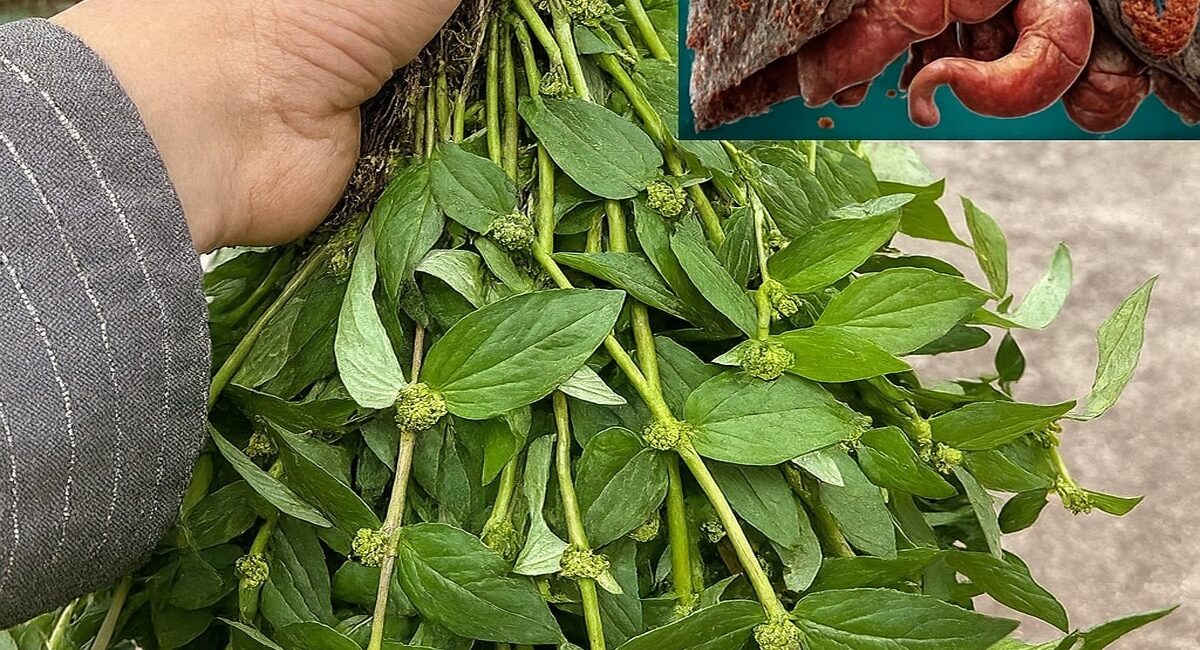
Euphorbia hirta, commonly known as “asthma weed,” is a small, unassuming plant that has earned a reputation for its remarkable medicinal properties. Though it might look like an ordinary weed growing wild in tropical and subtropical regions, Euphorbia hirta has been treasured in traditional medicine systems worldwide for centuries. From treating respiratory ailments to addressing digestive disorders, this plant holds a trove of health benefits backed by both traditional use and modern science.
In this extensive article, we explore Euphorbia hirta’s history, botanical profile, traditional uses, scientifically validated benefits, preparation methods, safety considerations, and much more. Whether you’re a natural health enthusiast, a curious herbalist, or someone seeking alternative remedies, this guide will provide you with a deep understanding of this precious plant and how you might integrate it safely into your wellness routine.
What Is Euphorbia hirta?
Euphorbia hirta is a fast-growing, herbaceous plant belonging to the Euphorbiaceae family. It is native to tropical Asia and Africa but now thrives in many warm climates worldwide, including parts of Australia, the Americas, and the Pacific islands. Its common names vary depending on the region, but “asthma weed” is widely used due to its traditional use in treating asthma and respiratory issues.
Botanical Description:
- Appearance: Euphorbia hirta grows up to 30-50 cm tall with hairy stems and oval, serrated leaves. The leaves are small, covered with fine hairs, and arranged oppositely along the stem.
- Flowers: The plant produces tiny reddish or brownish flowers clustered at leaf axils.
- Sap: Like many Euphorbia species, it exudes a milky sap when cut, which can be irritating to the skin and eyes.
Despite its modest appearance, Euphorbia hirta packs a powerful punch when it comes to its medicinal potential.
Historical and Traditional Uses of Euphorbia hirta
For centuries, Euphorbia hirta has been a staple in traditional medicine across various cultures. Its name “asthma weed” originates from its prevalent use in folk remedies for respiratory diseases, but its applications extend far beyond that.
Traditional Uses Include:
- Respiratory Conditions: Traditionally used to relieve symptoms of asthma, bronchitis, cough, and chest congestion.
- Gastrointestinal Disorders: Employed to treat diarrhea, dysentery, and stomach cramps.
- Skin Problems: Applied topically for wound healing, boils, eczema, and fungal infections.
- Anti-inflammatory and Analgesic: Used to reduce inflammation and pain.
- Antimicrobial: Used to combat bacterial and fungal infections.
- Other Uses: Some cultures use it for managing menstrual irregularities and urinary tract infections.
What Makes Euphorbia hirta So Powerful? The Science Behind the Plant
Modern research has started to validate many traditional claims about Euphorbia hirta, unveiling the bioactive compounds responsible for its therapeutic effects.
Key Phytochemicals:
- Flavonoids: These powerful antioxidants help reduce oxidative stress and inflammation.
- Alkaloids: Known for their analgesic and antimicrobial properties.
- Tannins: Provide astringent properties useful in treating diarrhea.
- Saponins: Known for immune-modulating and anti-inflammatory effects.
- Terpenoids and Phenolic Compounds: Contribute to antimicrobial and antioxidant effects.
- Essential Oils: May have antimicrobial and anti-inflammatory benefits.
Scientific Studies and Findings:
- Respiratory Relief: Studies show that Euphorbia hirta extracts can relax airway muscles, reducing bronchospasm and easing breathing in asthma models.
- Antidiarrheal Effects: Research confirms its ability to reduce intestinal motility and fluid secretion, making it effective against diarrhea.
- Antimicrobial Action: Laboratory tests reveal inhibition of pathogens like Staphylococcus aureus, Escherichia coli, and Candida albicans.
- Anti-inflammatory Properties: Experiments demonstrate reduced markers of inflammation in treated tissues.
- Antioxidant Capacity: The plant’s flavonoids and phenols scavenge harmful free radicals, protecting cells from damage.
Euphorbia hirta Uses: How Can You Benefit from This Plant?
Here’s a detailed look at some of the primary uses of Euphorbia hirta and how it can support your health.
1. Respiratory Health: Natural Relief for Asthma and Bronchitis
Asthma is a chronic inflammatory disease causing airway constriction, coughing, and shortness of breath. Euphorbia hirta has been used traditionally to ease these symptoms.
- How it helps: The plant’s anti-inflammatory and bronchodilatory effects help relax the airways, reduce mucus production, and alleviate spasms.
- Preparation: A decoction of the leaves is typically consumed as a tea to soothe respiratory symptoms.
- Scientific evidence: Animal studies show Euphorbia hirta’s potential to improve lung function and reduce inflammation.
click page 2 to continue