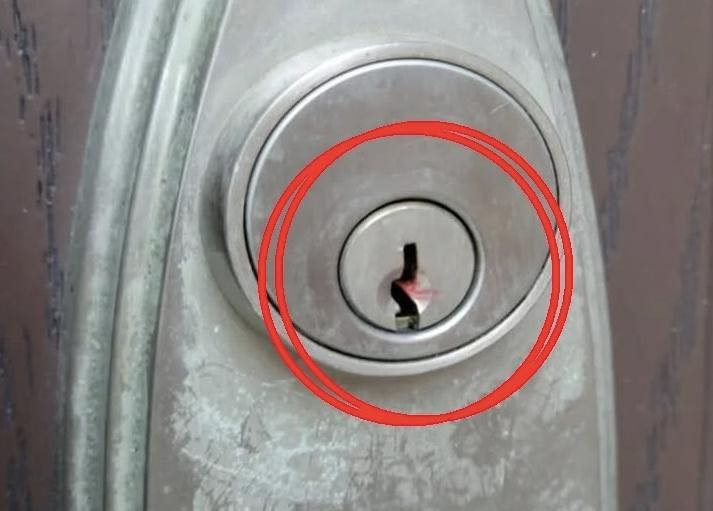
You arrive at your daughter-in-law’s home after a long day or a relaxing weekend, and something catches your eye—a small smear or dot of red wax on her front door lock. At first, it might seem inconsequential, perhaps a leftover from sealing something or even a prank. But if this mark appears repeatedly, it is crucial to pause and understand its significance. Particularly when your loved one lives alone after a tragic loss, any unusual sign deserves close attention.
This comprehensive article will explore what red wax on a door lock might mean, the potential dangers involved, how criminals use such marks, what steps you should take, and how to protect your loved ones and property effectively.
Understanding the Meaning Behind Red Wax on Door Locks
What Is the Purpose of Red Wax Marking?
In recent years, red wax marks on door locks have gained attention as a suspicious and potentially dangerous sign. Homeowners worldwide have reported finding mysterious dots or smears of wax on locks, doorknobs, and keyholes. While it might sound like something out of a thriller novel, these marks have a chilling reality behind them.
Red wax marks often serve as covert signals used by criminals—especially burglars and squatters—to silently communicate and assess a property’s vulnerability. This small, seemingly insignificant mark plays a vital role in their surveillance tactics.
How Does the Red Wax Mark Work?
- Applied to Key Entry Points: Criminals place a small dab of red wax near the keyhole or lock. The wax is subtle and can be easily overlooked by casual observers.
- Passive Surveillance Tool: The wax functions as a silent alarm. If the mark remains intact over a few days, it indicates the door hasn’t been opened—suggesting no one is home.
- Target Identification: Properties where the wax is undisturbed may be flagged as vacant or less monitored, making them more attractive for break-ins, theft, or squatting.
- Easy to Apply and Difficult to Detect: The wax dot is small, blending into the lock’s surface. It is fragile, designed to break or smear when the door is used, thereby alerting the criminals if the home is occupied.
Why Use Red Wax Instead of Other Marking Methods?
Several other methods exist for marking houses, including chalk symbols, stickers, or strings. However, red wax offers unique advantages:
- Long-lasting: Unlike chalk, wax is not easily washed or wiped away by rain or wind.
- Discreet and Professional-Looking: Wax appears less suspicious than bold chalk or marker symbols, reducing the likelihood of detection by residents.
- Easily Concealed: The small size and placement near locks make it hard to spot.
- Breakable Indicator: The wax’s fragility acts as an excellent “tripwire” to test if someone has entered the home.
Other Signs That May Accompany Red Wax Markings
Criminals rarely rely on a single sign to assess a property. Red wax may be part of a broader set of surveillance tactics involving:
- Chalk or Marker Symbols: Letters, numbers, or shapes on curbs, driveways, or mailboxes that convey messages between criminals.
- Flyers and Fake Business Cards: Placed on doors or porches to gauge if someone removes them, which indicates occupancy.
- Strange Objects: Pebbles, sticks, or thread placed near entry points to detect movement or entry.
- Tags or Stickers on Windows or Mailboxes: Markers for other criminals to read or track properties.
While these signs may seem random or innocent, they often appear before an increase in local burglary rates.
The Psychological and Emotional Impact of Such Signs
For anyone, especially someone living alone after a traumatic event like the loss of a spouse or family member, finding a red wax mark on the door lock can be deeply unsettling:
- Feelings of Vulnerability: The mark can trigger anxiety and fear about safety and personal security.
- Sense of Isolation: Knowing the house might be targeted can exacerbate feelings of loneliness.
- Distrust in the Neighborhood: It may make residents wary of neighbors or visitors.
- Heightened Alertness or Paranoia: While vigilance is important, excessive fear can affect mental health and quality of life.
Supporting your loved ones emotionally during such times is as critical as taking practical security steps.
What Should You Do If You Find Red Wax on Your Door Lock?
If you discover red wax on a door lock, here are the crucial steps to take:
1. Do Not Disturb the Mark Immediately
- Photograph the Mark: Capture detailed photos from multiple angles, showing its size and exact placement. Documentation aids law enforcement investigations.
- Note Date and Time: Record when you noticed the wax.
2. Report to Local Law Enforcement
- Call Non-Emergency Police: Provide them with the information, context, and photos.
- Describe Any Suspicious Activity: Mention if the wax reappeared after removal or if other strange signs have been noticed.
3. Conduct a Thorough Inspection of Your Property
- Check Windows, Doors, and Locks: Look for signs of tampering or forced entry.
- Search for Additional Markings: Chalk signs, flyers, or unusual objects.
- Inspect the Surrounding Area: Check fences, porches, and the yard.
4. Strengthen Home Security Immediately
- Upgrade Locks: Consider installing reinforced deadbolts or smart locks.
- Install Security Cameras: Video doorbells or external cameras act as both deterrents and evidence collectors.
- Add Lighting: Motion-activated lights illuminate potential intruders.
- Use Security Alarms: Monitored systems provide alerts to authorities quickly.
5. Inform and Engage Your Neighbors
- Check If Others Have Seen Similar Signs: Increased neighborhood awareness can prevent multiple break-ins.
- Consider Neighborhood Watch Programs: Collective vigilance discourages criminal activity.
Long-Term Home Security Measures to Consider
Physical Barriers and Locks
- Reinforced doors and deadbolts
- Window locks and shatterproof films
- Security gates and fencing
Technology Integration
- Smart locks with app notifications
- CCTV cameras with night vision and cloud storage
- Alarm systems linked to police or monitoring services
Routine and Vigilance
- Regularly inspect doors, locks, and windows for damage
- Keep an eye out for any new or recurring suspicious marks
- Schedule professional security audits
Common Misconceptions and When It Might Be a False Alarm
While red wax marks are often linked to criminal activity, there are times they may have innocent origins:
- Children’s Crafts or Pranks: Kids playing with wax or candles might accidentally leave marks.
- Maintenance or Renovation Work: Contractors or painters may use wax or stickers as temporary markers.
- Postal or Delivery Errors: Seals from packages or letters might transfer wax.
However, the recurrence of the mark after removal, particularly when combined with other suspicious signs, should always be treated as a potential threat.
The Role of Community in Preventing Crime
Neighborhoods with strong community ties and active communication channels experience lower crime rates. Here’s how to foster a safer environment:
- Build Relationships With Neighbors: Share concerns and keep an eye on each other’s homes.
- Create Communication Groups: WhatsApp, email lists, or phone trees for quick alerts.
- Organize Regular Meetings: Discuss security updates and suspicious activities.
- Collaborate With Police: Invite local officers for safety presentations or patrols.
Supporting Loved Ones Living Alone After Trauma
If your daughter-in-law has recently lost a partner and lives alone, it’s essential to provide emotional and practical support:
- Regular Visits or Calls: Reduce isolation and check in on her well-being.
- Help With Security Upgrades: Assist in installing alarms or cameras.
- Encourage Social Engagement: Promote participation in local clubs or activities.
- Consider Professional Counseling: Trauma counseling may help manage anxiety related to security concerns.
Summary: Why You Should Never Ignore Red Wax on a Door Lock
Though a small and subtle mark, red wax on a door lock can be a powerful and ominous signal—often indicating that criminals have targeted a property. Especially for someone living alone, this warning sign should prompt immediate action to prevent possible burglary, theft, or trespassing.
Document the mark, report it, inspect your property thoroughly, upgrade your security, and engage your community. Together, these steps can protect your home and provide peace of mind.
Remember: safety begins with awareness. Do not underestimate the silent messages left on your doorstep.