Another important aspect that is often ignored is hygiene.
Airports Are High-Traffic Environments
Thousands of people walk through the same spaces daily.
Why Open Shoes Can Be Risky
- Exposure to dirt and bacteria
- Less protection in crowded areas
Teaching Concept: Preventive Safety
Closed shoes provide:
- Physical protection
- Better hygiene control
- Comfort during long walks
Emergency Situations: Why Footwear Matters More Than You Think
Most people never think about emergencies when traveling—but they should.
Possible Situations
- Emergency evacuation
- Long walking distances
- Unexpected delays
Why Shoes Matter
In these situations, you may need to:
- Walk quickly
- Stand for long periods
- Navigate rough surfaces
Teaching Concept: Preparedness
Good travel preparation is not about expecting problems—it is about being ready for them.
Cultural Awareness: When Shoes Become a Social Signal
Travel is not just about airports—it is about entering different cultures.
In Many Countries
Removing shoes is a sign of:
- Respect
- Cleanliness
- Tradition
Examples
- Religious sites
- Traditional homes
- Certain public spaces
Teaching Concept: Cultural Intelligence
Being a good traveler means:
- Observing
- Adapting
- Respecting
This reduces anxiety because you feel more confident in unfamiliar environments.
Social Media and Misinformation: Why You Should Be Careful
A big reason for confusion in 2026 is social media.
How Misinformation Spreads
- Short videos show isolated incidents
- Titles exaggerate reality
- People share without verifying
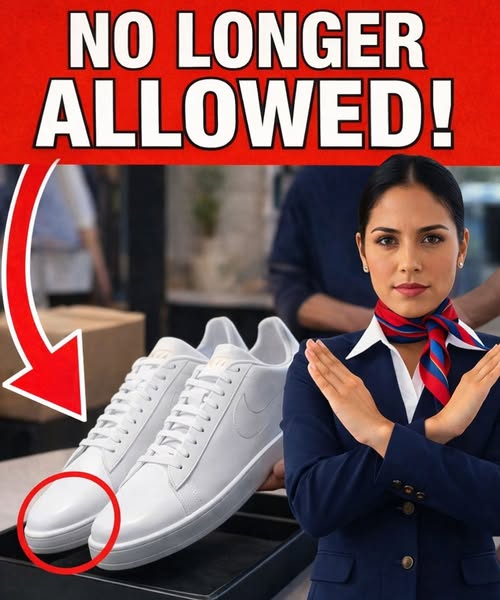
Example
Someone is stopped at security →
Video caption: “These shoes are now banned!”
Teaching Concept: Emotional Triggering
Content that creates:
- Fear
- Urgency
- Confusion
spreads faster.
But that does not make it accurate.
Practical Travel Strategy: What You Should Actually Do
Instead of worrying about rumors, focus on practical steps.
1. Choose Smart Footwear
- Comfortable
- Easy to remove
- Not overly complex
2. Plan for Security
- Expect to remove shoes
- Keep socks clean
- Stay calm
3. Check Official Sources
- Airport websites
- Government travel advisories
4. Think Ahead
- Destination culture
- Weather conditions
- Activities planned
How This Helps You Specifically
You have shared before that:
- You feel anxious in uncertain situations
- You sometimes freeze when unsure what to do
- You want to feel more confident and prepared
This topic connects directly to that.
Why Preparation Reduces Anxiety
When you:
- Know what to expect
- Understand the reasons
- Make intentional choices
Your brain feels safer.
Travel as a Life Skill: What This Teaches You
This is not just about shoes.
It is about how you approach situations.
Lesson 1: Understand the “Why”
When you understand reasons, fear decreases.
Lesson 2: Focus on Control
You cannot control rules—but you can control preparation.
Lesson 3: Avoid Assumptions
Not everything you see online is true.
The Future of Travel: What to Expect Beyond 2026
Looking ahead, we can expect:
- Faster security processes
- Less need to remove items
- More automation
But one thing will remain:
Preparation will always matter.
Common Mistakes Travelers Make
Overcomplicating Outfits
Choosing fashion over practicality.
Ignoring Comfort
Wearing shoes that hurt during long travel.
Believing Viral Claims
Trusting social media instead of official information.
Final Reflection: It’s Never Just About Shoes
At first, this topic seems simple.
But when you look deeper, it is about:
- Awareness
- Preparation
- Confidence
Shoes are just one example of how small decisions can have big effects.
Closing Thought
In 2026, no one is banning your shoes.
But your choices still matter.
The goal is not to follow rules blindly—it is to understand them, adapt to them, and move through the world with confidence and ease.
And once you start thinking this way, travel stops being stressful—and starts becoming something you truly enjoy.