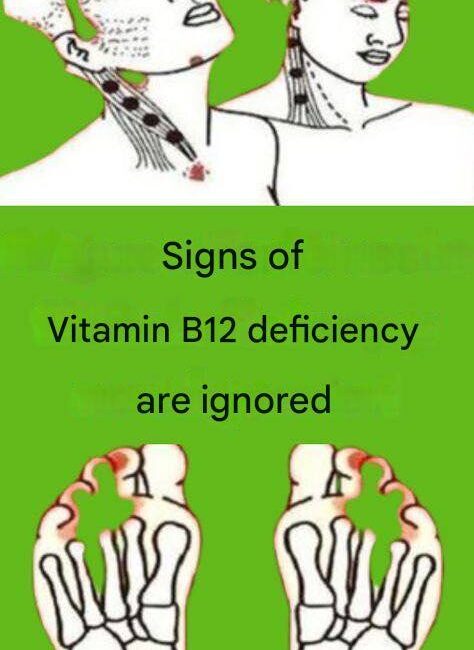
Changes in skin tone can occur due to B12 deficiency.
A lack of healthy red blood cells may lead to paleness.
In some cases, mild yellowing of the skin or eyes (jaundice) may appear due to increased breakdown of red blood cells.
These changes are often subtle and develop gradually, making them easy to miss.
Sign 6: Shortness of Breath and Dizziness
Reduced oxygen delivery to tissues can also cause:
- shortness of breath
- lightheadedness
- dizziness
These symptoms may appear during physical activity or even at rest in more advanced cases.
They are often mistaken for general fatigue or lack of fitness.
Sign 7: Glossitis and Mouth Changes
B12 deficiency can affect the mouth and tongue.
Some individuals experience:
- a swollen or inflamed tongue (glossitis)
- a smooth, shiny tongue surface
- burning or discomfort in the mouth
These symptoms may be accompanied by changes in taste perception.
Because oral symptoms are not always associated with nutrition, they may be overlooked.
Sign 8: Difficulty Walking or Balance Problems
As nerve damage progresses, coordination may be affected.
People may notice:
- unsteady walking
- balance issues
- difficulty with fine motor skills
These symptoms occur because the nervous system cannot properly coordinate movement.
In advanced cases, this can significantly affect daily life.
Sign 9: Vision Disturbances
Although less common, B12 deficiency can affect the optic nerve.
This may lead to:
- blurred vision
- reduced visual clarity
- sensitivity to light
These changes occur due to damage in the nerve pathways that transmit visual information.
Who Is Most at Risk?
Certain groups are more likely to develop B12 deficiency.
Older Adults
Aging can reduce stomach acid production, which is necessary for B12 absorption.
Vegetarians and Vegans
Since B12 is primarily found in animal products, individuals who avoid these foods may have lower intake.
People With Digestive Conditions
Conditions affecting the stomach or intestines can interfere with absorption.
Individuals Taking Certain Medications
Some medications may reduce B12 absorption over time.
The Importance of Early Detection
Early detection of B12 deficiency is crucial.
While many symptoms are reversible with treatment, prolonged deficiency may lead to permanent nerve damage.
Blood tests can measure B12 levels and help confirm diagnosis.
Supporting Healthy B12 Levels
Maintaining adequate B12 levels involves:
- consuming B12-rich foods
- considering supplementation if needed
- monitoring levels in at-risk individuals
Balanced nutrition plays a key role in preventing deficiency.
Why These Signs Are Often Ignored
The symptoms of B12 deficiency are often subtle, gradual, and easy to dismiss.
People may attribute them to:
- stress
- aging
- lifestyle factors
Because of this, the deficiency can progress unnoticed.
Awareness is therefore essential.
Listening to Your Body
The body communicates through signals, even when those signals are quiet.
Recognizing patterns—persistent fatigue, unusual sensations, or changes in mood—can provide valuable clues about underlying health.
Vitamin B12 deficiency reminds us that not all health issues are dramatic or obvious.
Sometimes, they appear as small, persistent changes that deserve attention.
Conclusion: The Hidden Impact of a Small Vitamin
Vitamin B12 may be required in small amounts, but its impact on the body is significant.
From supporting energy production to maintaining nerve health, it plays a vital role in overall well-being.
Ignoring the signs of deficiency can allow subtle symptoms to progress into more serious issues.
By understanding these signs and recognizing their importance, individuals can take steps toward early detection and better health.
And sometimes, the most important health decisions begin with noticing what others overlook—the quiet signals that the body sends every day.