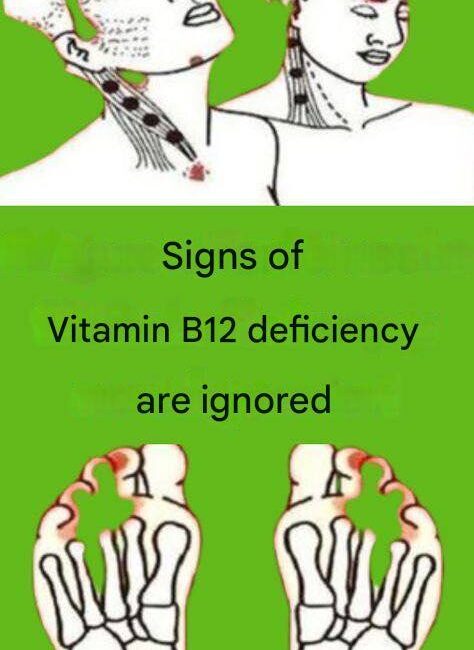
In the world of nutrition, some deficiencies announce themselves loudly. Severe dehydration brings intense thirst. Iron deficiency often leads to noticeable fatigue. But others develop quietly, almost invisibly, weaving their effects into everyday life until they become difficult to ignore.
Vitamin B12 deficiency belongs to this second category.
It is one of the most commonly overlooked nutritional deficiencies, yet it plays a critical role in some of the body’s most essential functions—particularly those involving the brain, nerves, and blood.
What makes B12 deficiency especially concerning is that its symptoms often appear gradually and mimic common issues such as stress, fatigue, or aging. People may live with it for months or even years without realizing that something deeper is happening inside their body.
By the time it is detected, some effects—especially those involving the nervous system—may already be advanced.
This article explores the often ignored signs of vitamin B12 deficiency, explains why they occur, and highlights the importance of recognizing these subtle signals early.
What Is Vitamin B12 and Why Is It So Important?
Vitamin B12, also known as cobalamin, is a water-soluble vitamin that plays several essential roles in the body.
It is involved in:
- The production of red blood cells
- The synthesis of DNA
- The proper functioning of the nervous system
- The metabolism of energy
Unlike many other vitamins, B12 is primarily found in animal-based foods, including meat, fish, eggs, and dairy products.
The body does not produce vitamin B12 on its own, so it must be obtained through diet or supplementation.
Once consumed, B12 undergoes a complex absorption process involving the stomach, intestines, and a protein called intrinsic factor.
Any disruption in this process can lead to deficiency.
Why Vitamin B12 Deficiency Is Often Missed
There are several reasons why B12 deficiency frequently goes unnoticed.
Gradual Onset
Unlike acute conditions, B12 deficiency develops slowly. The body can store vitamin B12 in the liver for years, meaning symptoms may not appear immediately after intake decreases.
Non-Specific Symptoms
Many symptoms are vague and easily attributed to other causes, such as:
- stress
- lack of sleep
- aging
- busy lifestyle
Overlap With Other Conditions
B12 deficiency symptoms often resemble those of other health issues, including anemia, depression, and neurological disorders.
Because of these factors, people may dismiss early signs instead of seeking medical evaluation.
The Role of B12 in the Nervous System
One of the most important functions of vitamin B12 is maintaining the health of the nervous system.
B12 helps produce myelin, a protective sheath that surrounds nerve fibers. This sheath allows electrical signals to travel efficiently between the brain and the rest of the body.
When B12 levels are insufficient, myelin production may be impaired.
This can lead to nerve damage, which explains many of the neurological symptoms associated with deficiency.
Sign 1: Persistent Fatigue That Doesn’t Improve
One of the earliest and most common signs of B12 deficiency is fatigue.
This fatigue is not the typical tiredness that improves with rest. Instead, it often feels deep and persistent.
The reason lies in red blood cell production.
Vitamin B12 is essential for producing healthy red blood cells. When levels are low, the body may produce fewer or abnormally large red blood cells, reducing oxygen delivery to tissues.
Less oxygen means less energy.
As a result, even simple activities may feel exhausting.
Sign 2: Tingling or Numbness in Hands and Feet
A classic neurological symptom of B12 deficiency is paresthesia, or a tingling sensation.
People often describe it as:
- pins and needles
- burning
- numbness
This occurs because nerve damage affects the way signals are transmitted.
The hands and feet are usually affected first because they are farthest from the central nervous system.
This symptom is often ignored or mistaken for temporary nerve compression, such as sitting in an awkward position.
Sign 3: Memory Problems and Brain Fog
Vitamin B12 plays a key role in brain function.
Low levels may affect cognitive processes, leading to:
- forgetfulness
- difficulty concentrating
- mental confusion
This condition is sometimes referred to as brain fog.
Because these symptoms are common in stressful lifestyles, many people do not associate them with a nutritional deficiency.
However, prolonged deficiency may contribute to more serious cognitive impairment.
Sign 4: Mood Changes and Emotional Instability
B12 is involved in the production of neurotransmitters such as serotonin and dopamine, which regulate mood.
Deficiency may lead to:
- irritability
- low mood
- anxiety
- depression
In some cases, individuals may feel emotionally unstable without understanding why.
Because mental health is influenced by many factors, this connection is often overlooked.
Sign 5: Pale or Slightly Yellow Skin
Click page 2 to continue