Some older adults experience increased foot sensitivity due to nerve changes.
This condition can cause discomfort when walking on hard floors. In other cases, individuals may experience the opposite problem—reduced sensation that makes it difficult to feel pressure or temperature changes.
Socks create a soft layer that cushions the feet and reduces pressure from direct contact with surfaces.
This gentle padding can make walking more comfortable and protect sensitive areas of the skin.
Hygiene and Foot Health
Feet naturally produce sweat, even when a person is not physically active. When sweat accumulates on the skin, it can create conditions that encourage bacterial or fungal growth.
Clean socks help absorb moisture and keep the feet dry.
Changing socks regularly also supports good hygiene by preventing the buildup of bacteria that can cause unpleasant odors or skin irritation.
For seniors who spend long periods at home, wearing breathable socks made from natural fibers can help maintain healthy skin.
Choosing the Right Socks
Not all socks are equally beneficial.
For seniors, certain features can improve comfort and safety.
Soft, breathable fabrics such as cotton or bamboo help maintain ventilation and prevent excessive sweating.
Elastic bands should be gentle rather than tight. Socks that are too tight may restrict circulation, especially around the ankles.
Seamless socks are also recommended because thick seams can create pressure points that irritate sensitive skin.
Non-slip soles provide additional stability for walking indoors.
Selecting socks designed specifically for comfort can significantly improve the benefits of wearing them.
Nighttime Benefits of Wearing Socks
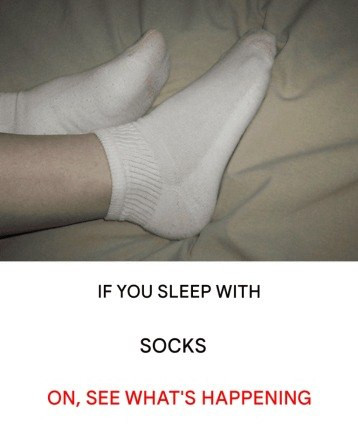
Many people are surprised to learn that wearing socks during sleep can also offer benefits.
Warm feet can help the body relax and prepare for rest.
When the feet are warm, blood vessels in the skin expand slightly. This process signals the brain that it is time to sleep.
Some studies suggest that warming the feet may help people fall asleep faster.
For older adults who experience cold feet at night, wearing soft socks can contribute to more comfortable sleep.
Cultural Traditions and Practical Wisdom
In many cultures, wearing socks indoors has long been considered a simple way to maintain health and comfort.
Older generations often emphasize keeping the feet warm, especially during colder seasons.
While modern homes provide central heating and insulation, the body still benefits from protective habits that support circulation and comfort.
Traditional wisdom about protecting the feet often aligns with modern medical understanding.
When Seniors Should Remove Socks
Although wearing socks has many benefits, there are situations where removing them may be appropriate.
Allowing the feet to breathe occasionally helps prevent excessive moisture buildup.
After bathing or showering, the feet should be dried thoroughly before putting on socks to avoid trapping moisture.
Regular foot care—including cleaning, moisturizing, and inspecting the skin—is important for maintaining foot health.
A Small Habit With Meaningful Benefits
The idea that wearing socks indoors could influence health may seem surprising at first.
Yet when we consider the changes that occur in the body with age, the logic becomes clear.
Warm feet support circulation.
Protected skin reduces irritation and injury.
Stable footing lowers the risk of falls.
Comfort encourages movement and activity.
Each of these benefits contributes to overall well-being.
Sometimes the most powerful health habits are not complicated or expensive. They are simple adjustments that protect the body in small but meaningful ways.
For seniors, wearing socks at home is one of those habits—quiet, practical, and surprisingly important.
And occasionally, the smallest details in daily routines are the ones that help maintain comfort, safety, and independence throughout life.