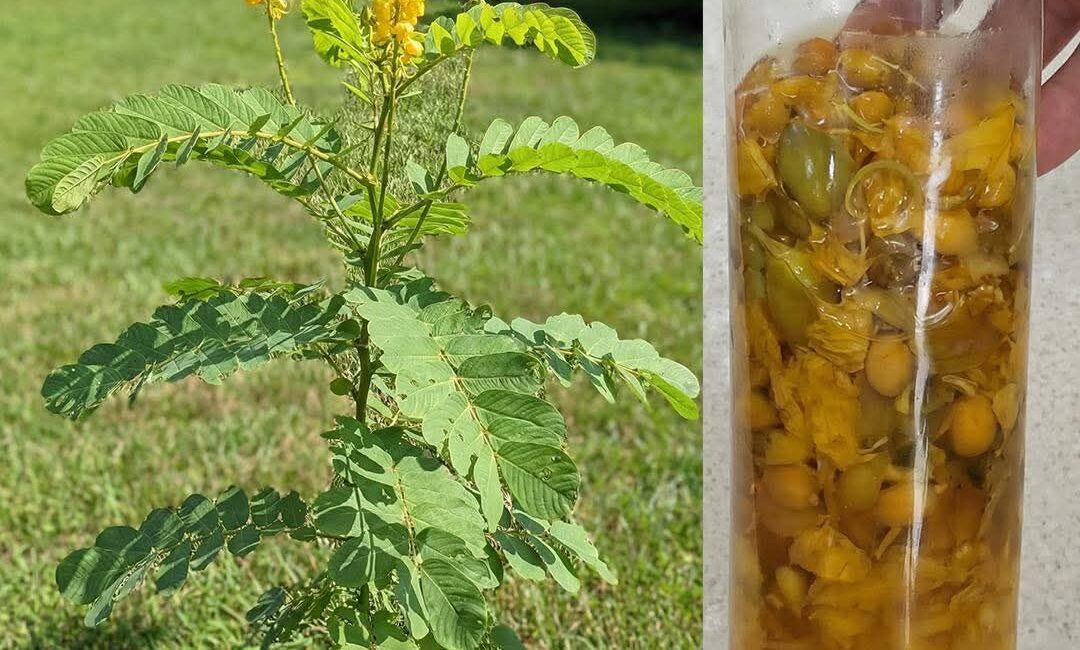
In many traditional systems, Senna alata leaves are prepared in simple ways.
Fresh leaves may be crushed to release their juices and applied directly to affected skin areas. In other cases, leaves are boiled in water to create herbal infusions used in bathing or cleansing.
These preparations often combine Senna alata with other plants known for soothing or protective properties.
Traditional healers emphasize observation and experience when working with plants. Knowledge about preparation methods, timing, and dosage has historically been passed through oral traditions rather than written medical texts.
Because of this, practices can vary significantly from one region to another.
Why Wild Plants Are Often Overlooked
Despite its fascinating properties, Senna alata remains largely unknown to many people outside tropical regions.
This reflects a broader pattern in human interaction with plants.
Modern societies often rely on cultivated crops and pharmaceutical products, leaving many wild plants overlooked or misunderstood.
Urbanization has also reduced everyday contact with natural ecosystems, making it harder for people to recognize plants that once played important roles in traditional medicine.
Yet botanical researchers continue discovering valuable compounds in plants that grow quietly in forests and fields.
The natural world still contains countless species with properties waiting to be explored.
The Importance of Scientific Research
While traditional knowledge provides valuable clues about plant properties, scientific research helps verify how these plants interact with human biology.
Researchers study plants like Senna alata using laboratory techniques to isolate compounds and observe their effects on microorganisms and cells.
Such research can lead to new medical insights, natural skincare products, or pharmaceutical developments.
However, careful testing is necessary to determine safe usage and effective concentrations.
Plant-based compounds can be powerful, and their effects must be understood thoroughly before being used widely in medicine.
Conservation and Sustainable Use
Another important aspect of plants like Senna alata is sustainability.
As interest in natural remedies grows, harvesting wild plants without proper management can threaten local ecosystems.
Responsible use involves cultivating medicinal plants in controlled environments rather than relying solely on wild populations.
Botanical gardens, research institutions, and community herbal gardens often play key roles in preserving plant knowledge and protecting biodiversity.
By studying and cultivating plants responsibly, societies can benefit from their properties while maintaining ecological balance.
Rediscovering Nature’s Hidden Resources
Senna alata reminds us that many powerful plants grow quietly in nature, often unnoticed by the people who walk past them every day.
For generations, traditional healers observed the effects of plants and developed systems of knowledge based on experience and careful observation.
Modern science now revisits many of these plants, exploring the compounds that give them their unique properties.
The story of Senna alata illustrates how ancient botanical wisdom and contemporary research can complement each other.
While it is not a miracle cure or magical solution, it represents a fascinating example of the relationship between humans and the plant world.
Nature continues to hold countless secrets—some hidden in the most ordinary places, waiting for curious minds to rediscover them.
And sometimes, the most remarkable plants are the ones growing quietly along the roadside, unnoticed until someone stops to look more closely.