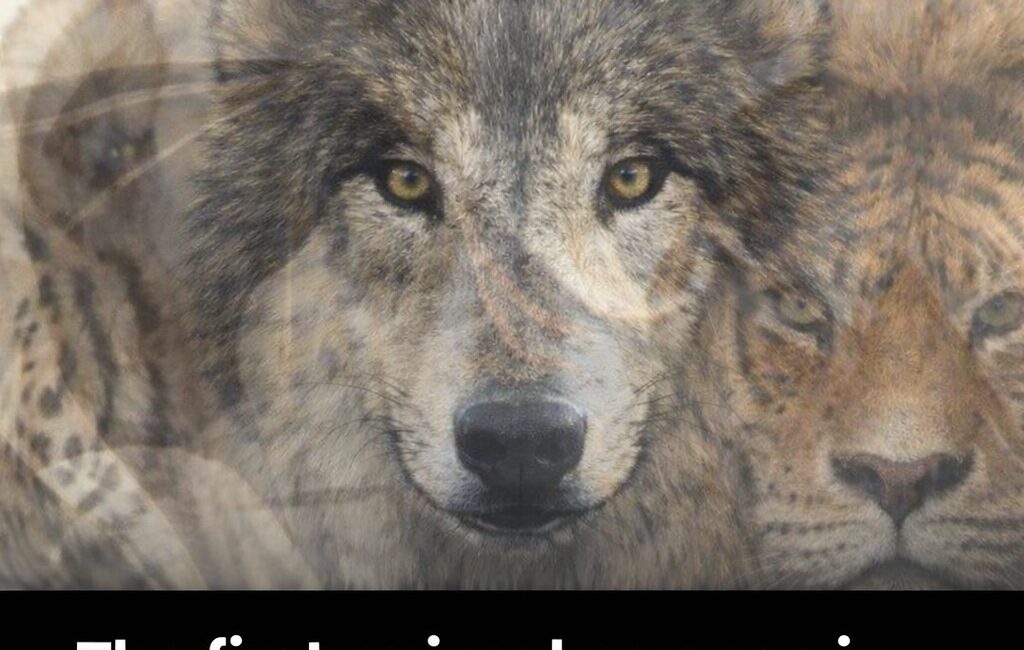
The owl has long been a symbol of wisdom, perception, and quiet intelligence.
In ancient mythology, the owl was associated with knowledge and insight. Its ability to see in darkness made it a symbol of awareness beyond the obvious.
Seeing the owl first might reflect a personality that values observation and reflection.
Individuals connected to this archetype often prefer thinking before speaking. They analyze situations carefully and consider multiple perspectives before making decisions.
This thoughtful approach allows them to anticipate challenges and navigate complex problems with calm logic.
Psychologically, this trait aligns with high cognitive reflection, the tendency to pause and evaluate information rather than react impulsively.
People with strong reflective thinking often excel in strategic planning, research, and problem-solving.
Owl-like personalities also tend to possess emotional composure. They rarely rush into dramatic reactions and instead maintain a steady presence during stressful situations.
Friends and colleagues often see them as reliable advisors because they offer balanced and thoughtful perspectives.
Yet deep thinkers sometimes face a unique challenge: overthinking.
When analysis becomes excessive, it can slow decision-making or create unnecessary worry.
Learning to trust intuition alongside logic helps maintain balance.
If You Saw the Puppy First: The Warm-Hearted Companion
The puppy is perhaps the most universally beloved animal symbol. It represents joy, loyalty, friendliness, and emotional openness.
Seeing the puppy first may indicate a personality that values connection, kindness, and shared happiness.
People associated with this archetype often bring warmth to social interactions. They enjoy supporting friends, offering encouragement, and creating positive environments.
Psychologists often refer to this trait as prosocial behavior—actions intended to benefit others.
Prosocial individuals tend to show empathy, generosity, and cooperative attitudes.
These qualities strengthen friendships and build strong communities.
Another defining characteristic of the puppy archetype is emotional sincerity.
These individuals usually express their feelings openly and honestly. Their authenticity makes others feel comfortable and safe.
However, people with highly nurturing personalities sometimes struggle with setting boundaries. Their desire to help others can occasionally lead to emotional exhaustion.
Learning to balance generosity with self-care becomes an important life skill.
Nevertheless, their presence often brings joy and reassurance to those around them.
If You Saw the Snake First: The Strategic Thinker
The snake is one of the most complex symbols in human culture.
In some traditions, it represents wisdom, transformation, and healing. In others, it symbolizes caution and mystery.
Seeing the snake first might suggest a personality that is analytical, observant, and emotionally controlled.
People who resonate with the snake archetype often prefer careful observation before taking action.
They study situations, evaluate possibilities, and choose their moments strategically.
Psychologically, this trait relates to delayed decision-making, where individuals gather information before committing to a course of action.
Such individuals often excel in fields requiring strategy, negotiation, or long-term planning.
Their calm demeanor can sometimes appear mysterious because they rarely reveal their thoughts immediately.
Yet beneath this quiet surface lies a powerful ability to understand complex dynamics.
Snake-like personalities often possess emotional self-regulation—the ability to manage emotions effectively without impulsive reactions.
This skill allows them to remain composed during challenging situations.
However, others may sometimes misinterpret their reserved nature as distance.
In reality, they simply prefer depth over constant expression.
When You See Nothing at First
Sometimes people look at these images and struggle to see any animal immediately.
This reaction is completely normal.
The brain’s ability to recognize patterns depends on many factors including attention, fatigue, mood, and cognitive load.
If someone is tired, stressed, or distracted, their brain may not immediately process the hidden shapes.
Taking a moment to relax and observe the image again often reveals new details.
This experience itself highlights an interesting feature of perception: the brain constantly updates its interpretation of visual information.
Once someone points out a hidden shape, it becomes impossible not to see it.
The Deeper Lesson Behind These Tests
Visual personality tests are not scientific psychological assessments. They cannot diagnose personality traits with precision.
However, they offer something valuable: a moment of curiosity about the self.
In a fast-moving world filled with constant distractions, these playful exercises encourage people to pause and reflect.
They remind us that perception is subjective. Every person sees the world through a unique combination of experiences, emotions, and expectations.
Two individuals may see the same animal in the same image yet interpret its meaning differently.
And that diversity of perception is what makes human psychology endlessly fascinating.
Ultimately, the most interesting question is not which animal you saw first.
The real question is what that choice makes you reflect about yourself.
Because sometimes, the mind reveals its secrets in the most unexpected ways. 🧠🐺🦉🐍🐶