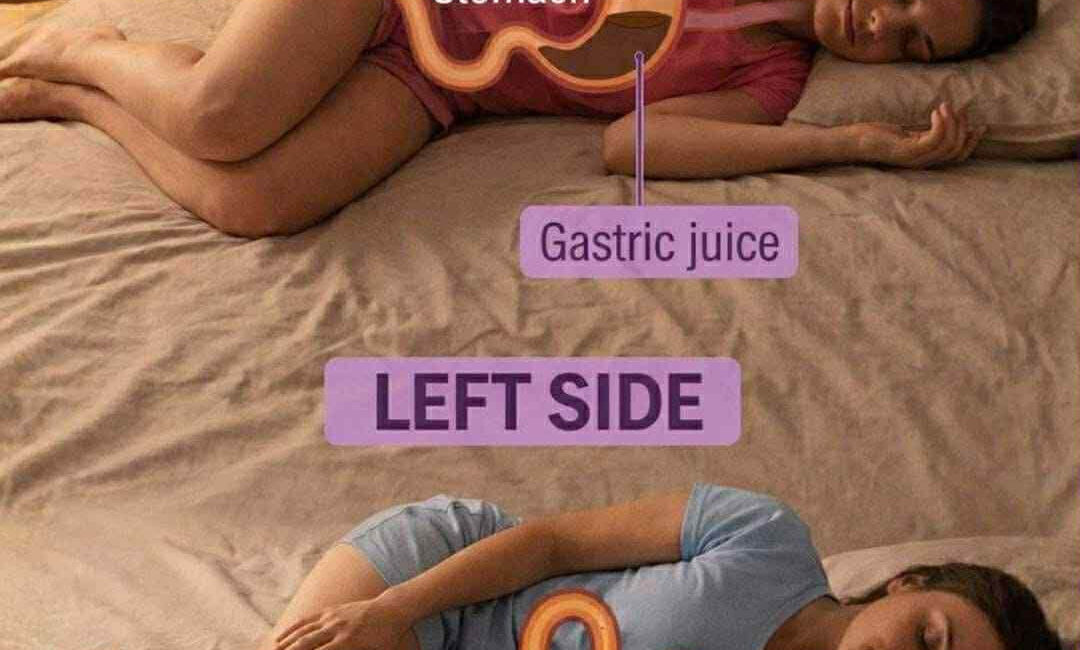
Sleep position also affects breathing patterns during the night.
Side sleeping generally improves airflow compared to back sleeping, which can cause the tongue and soft tissues to fall backward and partially obstruct the airway.
However, right-side sleeping may influence how the lungs expand depending on body alignment and pillow support.
Proper spinal alignment and supportive pillows help ensure that the neck and airway remain open regardless of which side a person sleeps on.
The Role of the Liver in Right-Side Sleeping
Because the liver is located on the right side of the abdomen, sleeping on the right side places this organ in a downward position relative to gravity.
Some health theories suggest that prolonged pressure on the liver during sleep might influence detoxification or circulation. However, strong scientific evidence supporting significant harm from right-side sleeping in healthy individuals is limited.
The liver is well protected within the rib cage and designed to function under varying physical conditions.
Nonetheless, individuals with liver conditions may benefit from discussing sleep posture with medical professionals.
Pregnancy and Sleep Position
Sleep position becomes particularly important during pregnancy.
Medical professionals commonly recommend that pregnant individuals sleep on the left side, especially during the later stages of pregnancy.
This recommendation is based on circulation considerations. The large vein known as the inferior vena cava runs along the right side of the spine and carries blood from the lower body back to the heart.
Sleeping on the left side reduces pressure on this vein, improving blood flow to the placenta and fetus.
While occasional right-side sleeping during pregnancy may not be harmful, the left side is generally considered the most beneficial position for circulation.
Spinal Alignment and Musculoskeletal Health
Beyond internal organs, sleep posture also affects the musculoskeletal system.
Side sleeping can support natural spinal curves when performed correctly. However, improper alignment can lead to strain in the neck, shoulders, and hips.
To maintain healthy alignment while sleeping on the right side:
- The head should be supported by a pillow that keeps the neck aligned with the spine.
- A pillow between the knees can reduce pressure on the hips.
- The mattress should support the body evenly without excessive sinking.
These adjustments help prevent muscle stiffness and joint discomfort.
Psychological Comfort and Habitual Sleep Positions
Not all aspects of sleep position are purely physiological.
Psychological comfort also plays a role. Many individuals develop preferred sleeping positions based on habit, emotional associations, or personal comfort.
Right-side sleeping may simply feel natural for certain people due to muscle memory or long-standing routines.
Because comfort strongly influences sleep quality, forcing a new position without gradual adjustment can sometimes disrupt rest.
Strategies for Improving Sleep Posture
If someone wishes to reduce right-side sleeping due to reflux or other concerns, gradual changes are often more effective than sudden adjustments.
Several strategies can help guide sleep posture.
Strategic Pillow Placement
Placing pillows behind the back can discourage rolling onto the right side during sleep.
Body Pillows
Long body pillows provide support for side sleepers and can help maintain preferred positions throughout the night.
Adjustable Bed Elevation
Elevating the head of the bed slightly may reduce reflux regardless of side position.
Mattress Quality
Supportive mattresses help maintain proper alignment and reduce pressure points.
The Importance of Individual Variation
Perhaps the most important lesson about sleep position is that there is no universal rule that applies to everyone.
Health conditions, body structure, age, pregnancy status, and personal comfort all influence which sleeping position works best.
While certain guidelines exist—such as left-side sleeping for reflux or pregnancy—many healthy individuals sleep comfortably on the right side without negative consequences.
Listening to the body’s signals and observing how different positions affect sleep quality is often the best approach.
When to Seek Medical Advice
Persistent symptoms such as severe reflux, breathing difficulties during sleep, or chronic pain may warrant medical consultation.
Sleep specialists can evaluate sleep patterns, breathing function, and posture-related issues to determine appropriate recommendations.
In some cases, conditions such as sleep apnea or gastrointestinal disorders may require specific treatments beyond simple posture adjustments.
The Bigger Picture: Sleep as a Whole-System Process
Sleep health extends far beyond position alone.
Other factors also play crucial roles in determining sleep quality:
- Consistent sleep schedules
- Comfortable sleep environments
- Reduced exposure to screens before bedtime
- Balanced nutrition and physical activity
Sleep position interacts with these factors rather than acting independently.
Conclusion: Awareness Without Unnecessary Alarm
Sleeping on the right side is common and often comfortable for many people. While certain health considerations—particularly related to digestion and pregnancy—may make left-side sleeping preferable in specific situations, right-side sleeping is not inherently dangerous for healthy individuals.
Understanding how body position interacts with internal anatomy allows people to make informed choices about their sleep habits.
In many cases, small adjustments such as improved pillow support or slight elevation of the head can resolve concerns without requiring major changes.
Ultimately, the goal is not to create anxiety about sleep posture but to encourage awareness of how the body functions during rest.
By paying attention to comfort, alignment, and personal health conditions, individuals can develop sleep habits that support both restorative rest and long-term well-being.