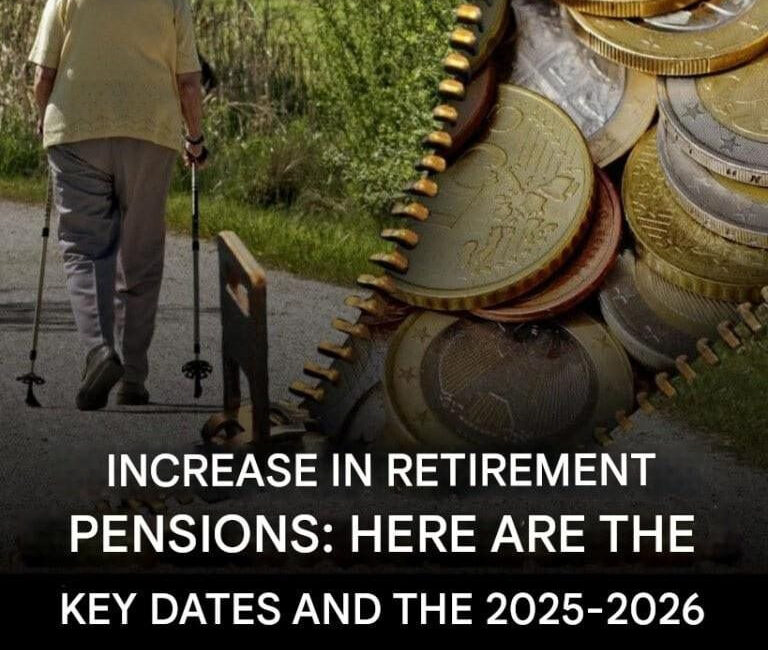
With uncertain pension income, retirees may delay planned expenditures or reduce long-term spending, affecting sectors like travel, recreation, and durable goods.
C. Intergenerational Equity
Younger generations, burdened by rising housing costs and labor market pressures, watch pension debates closely. Policy decisions on pensions intersect with broader discussions about fiscal sustainability and intergenerational fairness.
D. Social Stability
Pension policy has historically been a flashpoint for protest and political mobilization in France. Any perceived erosion of retirement benefits can lead to social tensions, demonstrations, or union action.
7. What Retirees Can Do Now
Given the uncertainty surrounding 2026, what can retirees realistically do to prepare?
A. Stay Informed
Closely follow announcements related to:
- The Social Security financing law
- Inflation figures from INSEE
- Government budget debates
Information in autumn 2026 will be decisive.
B. Reevaluate Budgeting
Consider adjusting monthly budgets to account for possible stagnant income or higher costs in the coming year.
C. Explore Supplementary Income Options
While many retirees prefer stable, predictable income, some explore:
- Part-time work
- Small investments (keeping risk in mind)
- Family support arrangements
These decisions depend on individual health, lifestyle, and financial goals.
D. Understand Tax Implications
Keep track of any news regarding pension taxation and how changes to the tax allowance might affect net income.
8. What This Means for Purchasing Power
Real purchasing power is not just about whether pensions increase. It is about how pension income changes relative to rising costs.
Even a nominal increase can be offset by:
- Higher energy bills
- Rising medical costs
- Increasing housing expenses
- Price increases on food and transportation
For many retirees, this gap matters deeply — especially those on fixed incomes or with limited savings.
9. Why This Issue Resonates So Deeply
Pension increases are about more than numbers. They represent:
- Respect for a lifetime of work
- Financial independence in old age
- Security amid rising living costs
- Social dignity and inclusion
For many retirees, pensions are not simply income — they are identity.
Debates about pension freezes, blanks, or modest increases tap into broader questions:
- What obligations do modern societies have to older citizens?
- How do we balance fiscal sustainability with social protection?
- How much weight should inflation have in social policy?
- How do demographic changes affect pension systems?
These questions go beyond economics — they touch on the values that shape a society.
10. The 2025–2026 Timetable at a Glance
| Date | Event | What It Means |
|---|---|---|
| January 2025 | Basic pension +2.2% | Confirmed increase tied to inflation |
| November 1, 2025 | Agirc-Arrco supplementary pension +0.6%–0.8% | Modest increase for private-sector retirees |
| Nov 3, 2025 | First increased supplemental payments | Real-world impact felt in retiree bank accounts |
| January 2026 (proposed) | Possible basic pension +1.2% | Contingent on budget decisions |
| Autumn 2026 | Final votes on Social Security financing law | Decides pension indexing rules for 2026 and beyond |
This timetable is provisional — subject to political decisions, budget negotiations, and inflation trajectories.
11. Final Thoughts: What Retirees Need to Watch
2025 offers modest certainty: pensions will be higher than in 2024, thanks to inflation-linked increases for both basic and supplementary components.
2026 remains the critical unknown. Whether pensions continue to adjust with inflation, are partly frozen, or see under-indexing will depend on policy decisions later in the year.
Here are the key variables retirees should monitor:
- Official inflation figures from INSEE
- Government budget announcements
- Social Security financing law debates
- Tax code changes affecting pension income
The future of pensions reflects a complex interplay of economic conditions, political priorities, and demographic trends.
For retirees, understanding these forces is not just academic — it is deeply personal.
12. Conclusion: More Than Numbers
Pension increases are more than percentages on paper. They represent:
- Security
- Dignity
- Respect
- Continuity
The confirmation of increases in 2025 brings relief. The uncertainty of 2026 brings concern.
What seems like a technical policy issue is, for millions of retirees, a question of daily life, stability, and hope.
Whether pensions in 2026 increase, stagnate, or under-index, the outcome will influence:
- Household budgets
- Consumer confidence
- Retirement planning
- Intergenerational relationships
The next decisive period will be autumn 2026, when policymakers decide whether to maintain inflation indexing, freeze pensions, or find another compromise.
In the meantime, retirees should remain informed, engaged, and prepared — because pension policy is not just economics. It is the social contract between a society and those who have shaped it.
If you’d like a personalized breakdown of how these scenarios would affect your own pension income monthly and yearly, I can calculate that for you based on your specific figures. Just share your current pension amount and any relevant details.