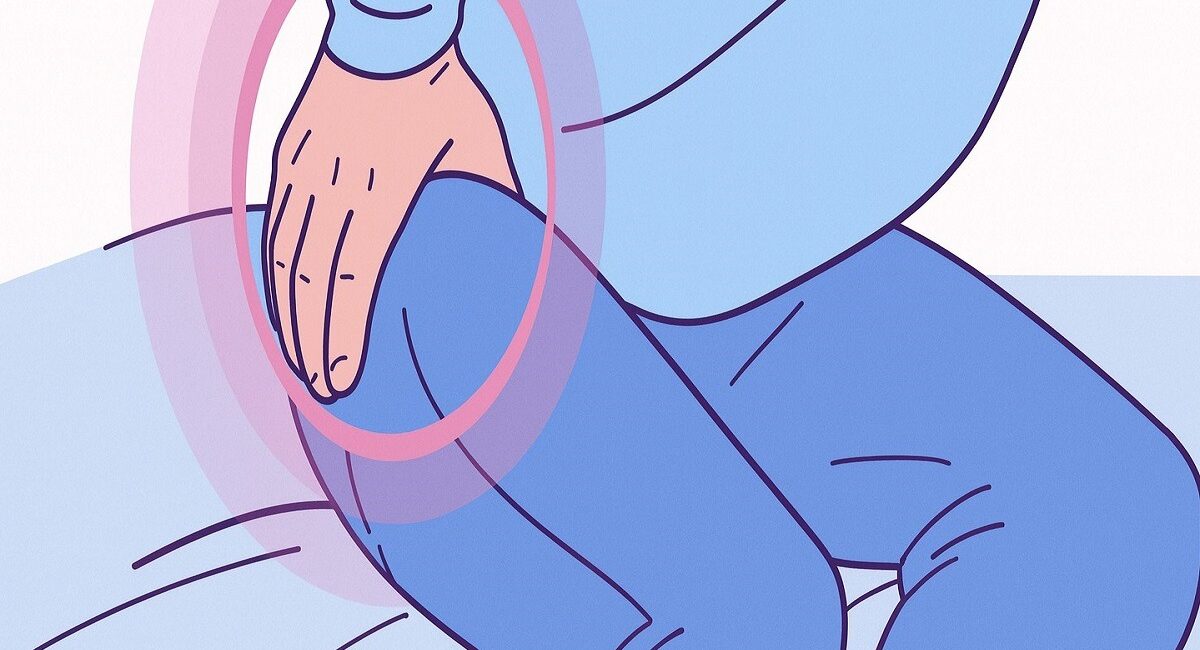
Weak muscles increase joint compression.
Physiotherapy focuses on:
- Controlled strengthening
- Corrective movement patterns
- Gait correction
- Postural alignment
Strong muscles protect cartilage.
⚖️ 7. Weight Management: Why Even Small Changes Matter
Each kilogram lost reduces joint force significantly.
Research shows:
Losing 5% of body weight can dramatically reduce hip pain.
Weight loss reduces:
- Inflammatory markers
- Mechanical load
- Joint stress
Even modest reduction improves mobility.
💊 8. Pain Relief: Short-Term vs Long-Term
Paracetamol
Used for mild pain.
NSAIDs (anti-inflammatories)
Reduce inflammation but should be used cautiously long-term.
Corticosteroid injections
Provide temporary relief in severe inflammation.
But medication treats symptoms.
It does not restore cartilage.
Long-term management requires lifestyle adaptation.
🧬 9. What Happens If You Do Nothing?
Untreated hip osteoarthritis progresses gradually:
Stage 1: Mild stiffness
Stage 2: Intermittent pain
Stage 3: Reduced mobility
Stage 4: Constant pain, severe limitation
As cartilage disappears, bone may develop spurs (osteophytes).
Pain becomes more frequent.
Range of motion shrinks.
Walking distance decreases.
But progression speed varies greatly.
Early action can slow deterioration dramatically.
🏥 10. When Surgery Becomes an Option
If conservative management fails, total hip replacement may be recommended.
Modern hip replacement:
- Has over 90% success rate
- Provides 10–20 years of improved mobility
- Allows return to moderate physical activity
During surgery:
- Damaged cartilage is removed
- Metal or ceramic components replace the joint surfaces
Recovery includes physiotherapy and gradual weight-bearing.
Hip replacement today is far more advanced than decades ago.
But surgery is a last resort, not a first step.
🧠 11. The Psychological Side of Chronic Hip Pain
Chronic pain affects:
- Mood
- Sleep
- Motivation
- Social participation
Limited mobility can create:
- Frustration
- Fear of aging
- Identity shifts
- Reduced independence
Addressing mental health is part of joint health.
Pain is both physical and neurological.
Stress increases inflammation.
Calm reduces it.
🧘 12. Anti-Inflammatory Lifestyle Factors
Joint health is influenced by:
Nutrition
- Omega-3 fatty acids
- Leafy greens
- Antioxidant-rich fruits
- Reduced processed sugar
Sleep
Deep sleep supports tissue repair.
Stress reduction
Chronic cortisol increases inflammation.
Vitamin D
Supports bone and joint health.
Smoking cessation
Smoking accelerates cartilage damage.
Joint care is whole-body care.
🔄 13. Early Diagnosis Changes Everything
Many people wait until pain becomes unbearable.
But imaging (X-ray or MRI) can detect changes early.
Consulting a doctor early allows:
- Physical therapy intervention
- Weight guidance
- Activity modification
- Medication planning
Ignoring symptoms doesn’t make them disappear.
It narrows options later.
🧭 14. Practical Daily Strategies
Small daily changes make long-term difference:
- Use supportive shoes
- Avoid sitting for long hours
- Use proper lifting mechanics
- Alternate activity with rest
- Stretch gently before and after exercise
- Maintain hip mobility exercises
Consistency matters more than intensity.
🌿 15. Living Well With a Worn Hip
A worn hip does not mean a disabled life.
Many people live actively for decades by:
- Strengthening muscles
- Managing weight
- Modifying activity
- Monitoring inflammation
Mobility is adaptable.
Pain is manageable.
Freedom of movement is often preserved longer than expected.
🧠 Final Reflection: Listen Before It Shouts
Your hip does not suddenly fail.
It communicates gradually.
Morning stiffness.
Slight discomfort.
Mild fatigue.
These are signals.
A healthy hip is not just about movement.
It is about independence.
Confidence.
Freedom.
Longevity.
The earlier you respond, the more options you preserve.
Hip health is not about age.
It is about awareness.
And awareness is the first step toward lasting mobility.
If you recognize these signs in yourself — or in someone close to you — take them seriously.
Because movement today determines mobility tomorrow.
🦴 A healthy hip means long-lasting freedom of movement.