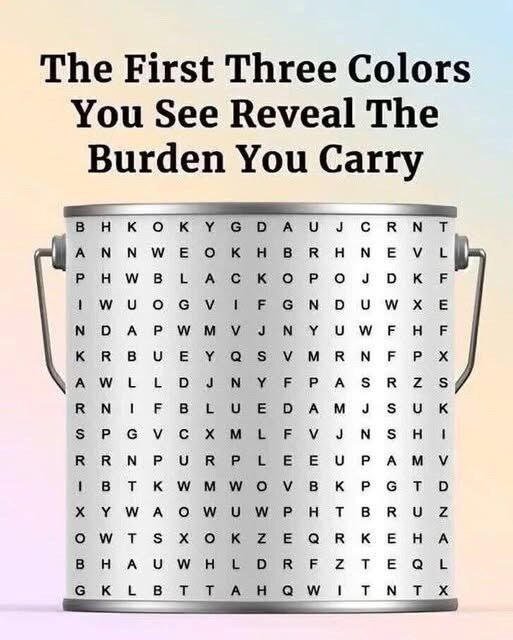
- Control
- Authority
- Emotional boundaries
- Protection
- Strength
Choosing black can feel like wearing armor.
It simplifies decision-making and shields emotional vulnerability.
Yet if black dominates for long periods, it may reflect emotional guarding or heaviness.
Black can be powerful—but it can also be isolating.
White – Renewal, Simplicity, and Transition
White carries clarity.
It symbolizes:
- Fresh starts
- Simplicity
- Clean mental space
- Reset
Many people gravitate toward white when they feel overwhelmed and need clarity.
In some cultures, white also represents transition and mourning—signaling the movement from one life chapter into another.
Choosing white can mean you are clearing space for something new.
Gray – Neutrality, Rest, and Emotional Pause
Gray is the color of in-between.
It neither demands attention nor withdraws entirely.
Gray may reflect:
- Exhaustion
- Indecision
- Emotional neutrality
- A need for rest
It offers calm without stimulation.
But prolonged attachment to gray can indicate emotional fatigue or disengagement.
Gray is not negative. It is pause.
And pause is sometimes necessary.
The Science Behind Color and Mood
Color’s impact is not mystical—it is physiological.
Studies have shown:
- Red can elevate heart rate.
- Blue can reduce stress markers.
- Yellow stimulates cognitive activity.
- Green supports recovery and focus.
Cultural context shapes interpretation. In Western traditions, white symbolizes purity. In some Eastern cultures, it marks mourning. Red can represent romance, danger, or celebration depending on geography.
Yet regardless of cultural variation, one principle holds:
Color affects the nervous system before it affects thought.
You feel it before you analyze it.
Everyday Color as Emotional Reflection
Look around your space.
The curtains.
The bedding.
The clothing folded in drawers.
The throw blanket on your chair.
These are not random choices.
After emotionally difficult periods, many people gravitate toward muted or darker tones for grounding.
As healing begins, warmer colors often return.
Even color avoidance carries meaning.
The colors you reject may reflect what you are not ready to face.
How Color Preferences Shift With Age
As we move through life stages, color preferences often change.
Youth may favor brightness and bold contrast.
Midlife may lean toward grounding, stability.
Later seasons often favor balance, softness, and calm.
This is not coincidence.
Our emotional priorities evolve.
Color evolves with us.
Listening to the Colors Around You
The next time you instinctively choose a certain shade, pause.
Ask gently:
- What does this color give me right now?
- What feeling am I reaching for?
- What mood am I avoiding?
You may discover that color reveals needs you have not yet verbalized.
Color is not just style.
It is subtle communication between your inner and outer worlds.
Final Reflection
Before we speak, color speaks.
It whispers in the paint on our walls and the fabrics on our bodies.
It reveals longing, protection, transformation, renewal.
It does not diagnose or define you.
But it reflects you.
And if you listen closely, the colors surrounding you may gently show what your heart has been carrying all along.