Signs to Watch For:
- Postnasal drip
- Facial pressure
- Chronic stuffiness
- Mouth dryness during the day
Persistent congestion-related drooling often improves once breathing normalizes.
5. Dental and Oral Infections
Oral health influences saliva regulation.
Conditions such as:
- Gum disease
- Tooth infections
- Mouth ulcers
- Oral inflammation
can stimulate excess saliva production.
Infections activate immune response, increasing gland activity.
Symptoms:
- Gum bleeding
- Tooth pain
- Swollen gums
- Bad breath
Regular dental checkups are essential.
6. Medication Side Effects
Certain medications increase saliva production or interfere with swallowing.
Examples include:
- Antipsychotics
- Some antidepressants
- Sedatives
- Certain blood pressure medications
- Medications for Alzheimer’s disease
Excessive nighttime drooling that begins after starting a new medication should be discussed with a doctor.
Never stop medication without medical advice.
Additional Factors That May Contribute
While the six conditions above are most notable, other contributors include:
- Anxiety disorders
- Pregnancy-related hormonal changes
- Certain infections
- Tonsil enlargement
- Alcohol use
- Poor sleeping posture
Drooling is rarely caused by a single factor.
Often, it is a combination of:
- Muscle relaxation
- Breathing patterns
- Saliva regulation
- Underlying health status
When Should You Be Concerned?
Seek medical advice if drooling is:
- New and persistent
- Accompanied by difficulty swallowing
- Associated with slurred speech
- Combined with facial weakness
- Occurring with severe snoring and fatigue
- Worsening progressively
Isolated drooling without other symptoms is often harmless.
Context matters.
The Psychological Impact of Chronic Drooling
Though often dismissed, chronic drooling can affect:
- Self-esteem
- Relationship intimacy
- Sleep quality
- Anxiety levels
Embarrassment can prevent people from discussing it.
But addressing underlying causes improves both health and confidence.
How Doctors Evaluate Excessive Drooling
Medical evaluation may include:
- Physical exam
- Sleep study
- Neurological assessment
- Dental evaluation
- Medication review
- Gastrointestinal assessment
Treatment depends on the root cause.
Treatment Options
Lifestyle Adjustments
- Sleeping on your back
- Using supportive pillows
- Treating allergies
- Weight loss (if sleep apnea suspected)
Medical Treatments
- CPAP for sleep apnea
- Acid suppression for GERD
- Dental treatment for infections
- Medication adjustments
- In rare cases, Botox injections into salivary glands
Treatment should target the cause — not just the symptom.
Why You Should Not Ignore Persistent Symptoms
Drooling alone may seem trivial.
But if it reflects:
- Sleep apnea
- Neurological decline
- Chronic reflux
- Serious dental infection
Early detection matters.
Sleep apnea, for example, increases risk of:
- Heart attack
- Stroke
- Arrhythmia
Identifying it early changes outcomes.
Final Thoughts
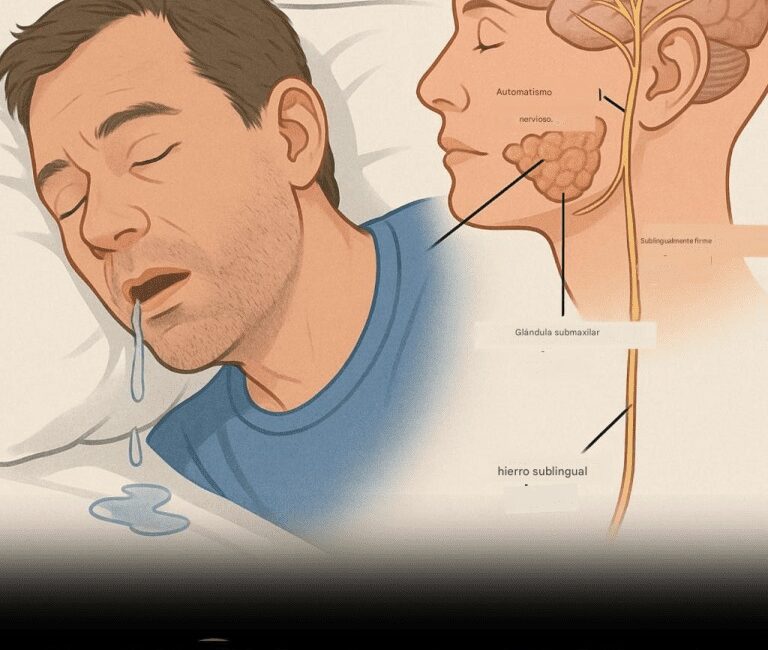
Drooling while sleeping is common.
Occasional drooling is harmless.
But frequent, persistent, or worsening drooling deserves attention.
Your body often signals deeper imbalances subtly.
Understanding those signals empowers you.
If drooling is accompanied by:
- Snoring
- Swallowing difficulty
- Neurological symptoms
- Chronic reflux
- Dental pain
It is wise to investigate.
Because sometimes, what seems like a minor inconvenience is the body’s quiet attempt to communicate something more important.
Listen to it.
And when in doubt, consult a qualified healthcare professional for personalized guidance.