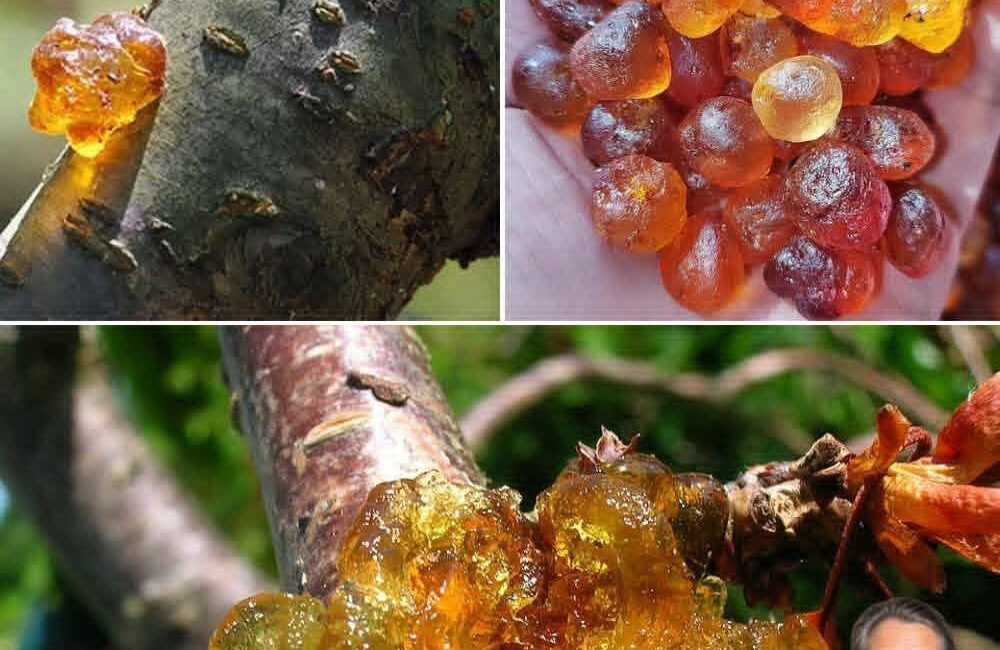
The chemistry makes resin durable, aromatic, and resistant to decay.
Nature engineered it for defense.
Humans repurposed it for trade.
The Historical Significance
Resin has shaped trade routes.
The ancient “Incense Route” transported frankincense across Arabia into Europe and Asia.
It was:
- Burned in temples
- Used in embalming
- Traded like gold
In some eras, it was literally worth its weight in precious metals.
That cultural history still influences modern pricing.
Is It Safe to Handle?
Most natural resins are safe to touch once hardened.
But:
- Some can cause mild skin irritation
- Fresh resin can be sticky and difficult to remove
- Burning resin produces smoke, which should be ventilated
It’s natural — but not automatically harmless in every context.
Always research before ingesting or using medicinally.
Why Most People Don’t Know
Because resin doesn’t look impressive at first.
It looks like tree sap.
Sticky tree sap doesn’t scream “valuable.”
But value isn’t about appearance.
It’s about:
- Chemical composition
- Rarity
- Cultural significance
- Industrial demand
Nature often hides complexity behind simplicity.
A Reminder About Viral Claims
Online, you may see exaggerated statements about resin being:
- A miracle cure
- A detox solution
- A powerful disease treatment
It’s important to separate traditional use from scientific validation.
Some compounds in resin show promising properties in research.
That does not automatically make them cures.
Respect tradition. Trust science. Stay cautious.
Final Thoughts
Tree resin is fascinating because it sits at the intersection of:
- Biology
- Chemistry
- History
- Trade
- Culture
It’s sticky sap that protected trees for millions of years.
Humans turned it into incense, medicine, varnish, perfume, and art.
Its value isn’t magic.
It’s chemistry plus scarcity plus story.
And sometimes, the most powerful things in nature are the ones we almost overlook.