If you’ve baked more than twice in your life, you’ve seen it.
“Bring eggs to room temperature.”
The instruction appears so often it feels sacred, like a law of physics. Yet here’s the rebellious question: does it truly matter, or is this just baking folklore that refuses to retire?
Let’s investigate it properly — not with superstition, but with food science and controlled testing. We tested three very different baked goods — cookies, cupcakes, and pavlova — because each relies on eggs in a different way. The results are more nuanced than you might expect.
Why Recipes Ask for Room-Temperature Eggs in the First Place
Before testing anything, we need to understand the logic.
Eggs do three main things in baking:
- Emulsify — They help fat and water mix smoothly.
- Provide structure — Proteins in eggs set during baking.
- Create air — Especially when whipped.
Temperature affects all three.
Cold eggs straight from the fridge sit around 4°C (39°F). Room temperature eggs hover near 20–22°C (68–72°F). That difference changes how easily they blend, whip, and bond with fats like butter.
Cold ingredients don’t emulsify as easily. They can cause butter to seize or curdle in batters. Egg whites whip more slowly when cold. And proteins behave slightly differently depending on temperature.
So yes — there’s scientific reasoning behind the advice.
But science also teaches something else: context matters.
The Test Setup
To avoid baking chaos, we standardized everything:
- Same recipe for each baked good
- Same brand of ingredients
- Same mixing time
- Same oven temperature
- Only variable: egg temperature
We baked:
- Chocolate chip cookies
- Vanilla cupcakes
- Classic pavlova
Half were made with fridge-cold eggs. Half with eggs that had rested on the counter for about an hour.
Let’s break down what happened.
Test 1: Cookies — Does It Matter?
Cookies are forgiving. They don’t rely heavily on whipped air. They rely more on fat, sugar structure, and moisture balance.
What Happened with Cold Eggs?
When cold eggs were added to creamed butter and sugar:
- The mixture slightly curdled.
- It looked grainier before flour was added.
- It took a bit longer to smooth out.
After baking:
- Cookies spread slightly less.
- Texture was marginally denser.
- Flavor? Identical.
What Happened with Room-Temperature Eggs?
The batter:
- Came together smoothly.
- Looked silkier during mixing.
After baking:
- Cookies spread a little more evenly.
- Texture slightly softer in the center.
Final Verdict for Cookies
The difference was subtle. If someone handed you both cookies without explanation, you likely wouldn’t detect which was which.
For cookies, room-temperature eggs help with texture consistency — but they are not critical.
If you forgot to take your eggs out? Bake anyway. The universe will not collapse.
Test 2: Cupcakes — Now It Gets Interesting
Cupcakes depend more heavily on emulsification. A smooth batter traps air bubbles that expand during baking. That’s what creates a tender crumb.
Cold Eggs in Cupcakes
When cold eggs were added to creamed butter:
- The batter curdled more noticeably.
- It required extra mixing to look cohesive.
After baking:
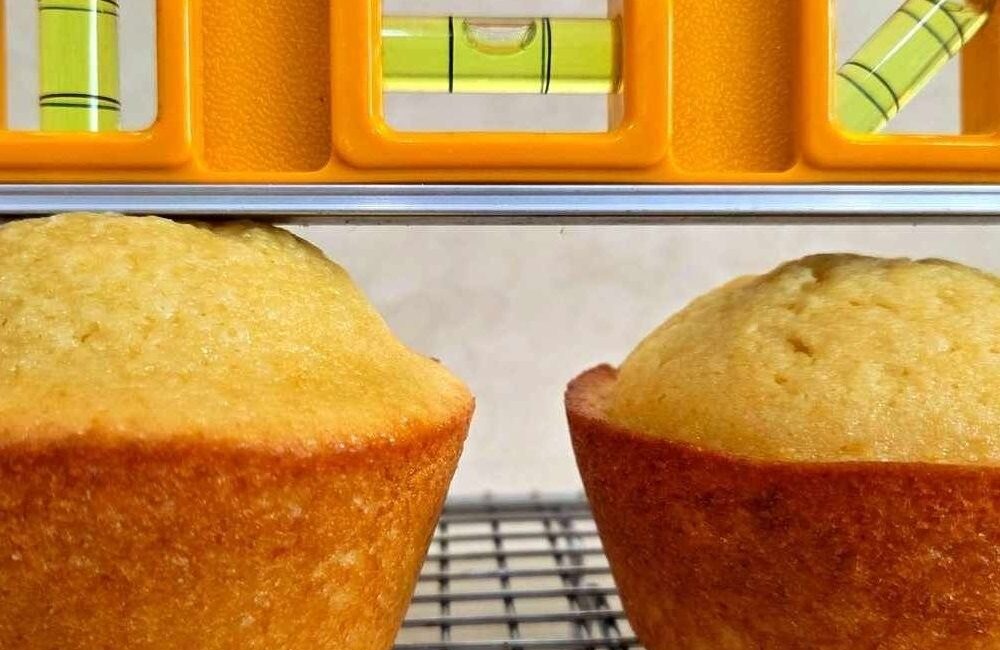
- Cupcakes rose slightly unevenly.
- The crumb was slightly tighter.
- Texture was still good, but less airy.
Room-Temperature Eggs in Cupcakes
The batter:
- Stayed smooth and glossy.
- Required less mixing.
After baking:
- Cupcakes rose evenly.
- Crumb was visibly fluffier.
- Texture felt lighter.
Why the Difference?
Butter solidifies when cold ingredients hit it. That temporary hardening interferes with emulsification — the process of evenly blending fat and liquid.
Room-temperature eggs integrate into butter more seamlessly. This preserves the air pockets created during creaming.
Air pockets = lighter crumb.
Final Verdict for Cupcakes
Yes, it matters here.
Not dramatically. But enough that if you care about soft, bakery-style cupcakes, room-temperature eggs make a noticeable improvement.
Test 3: Pavlova — This Is Where Temperature Really Counts
Pavlova is pure egg white architecture. It relies entirely on whipped protein foam.
Here’s what we observed.
Cold Egg Whites
- Took longer to whip.
- Needed more time to reach stiff peaks.
- Foam appeared slightly less voluminous.
- Final pavlova had slightly less height.
Room-Temperature Egg Whites
- Whipped faster.
- Achieved greater volume.
- Foam looked smoother and glossier.
- Pavlova had better lift and slightly crisper shell.
Why This Happens
Egg whites contain proteins that unravel and trap air when whipped. Warmer egg whites:
- Have lower viscosity (less thick).
- Allow air to incorporate more easily.
- Expand more efficiently.
Cold egg whites can still whip — but they resist expansion more.
Final Verdict for Pavlova
Click page 2 to continue