Full Step-by-Step Guide to Cleaning, Preventing, and Keeping Mold Away for Good
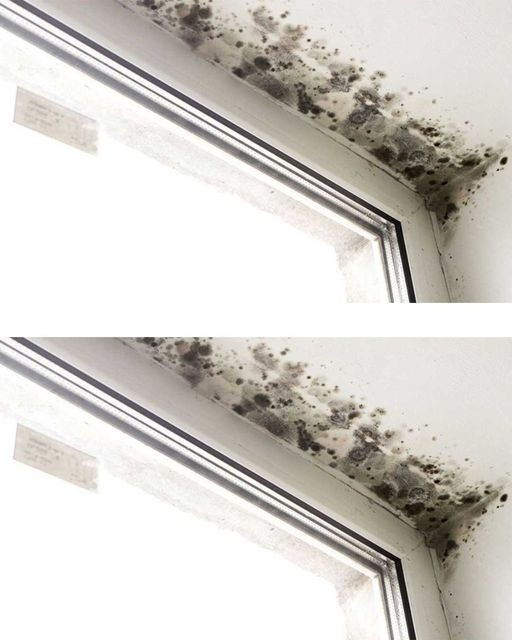
Mold on walls is one of those household problems that starts quietly and then suddenly feels overwhelming. At first, it looks like a faint gray shadow in the corner, a few black dots behind a wardrobe, or a greenish patch near a window frame. You might wipe it away and hope it doesn’t come back. But it does. And each time, it spreads a little more, smells a little stronger, and becomes harder to ignore.
Many people immediately turn to harsh chemical sprays, believing mold requires industrial-strength solutions. In reality, most household mold caused by dampness can be removed naturally, safely, and effectively—if you follow the right steps and understand why it formed in the first place.
This is not a quick “wipe and forget” trick. Mold is a symptom, not the disease. The real enemy is moisture. This article walks you through full, clear, natural steps to remove mold from walls, treat damp spots, and prevent mold from returning—without toxic fumes, expensive products, or guesswork.
Understanding Mold Before You Clean It
Mold is a living organism. It thrives in environments that are:
- Damp
- Poorly ventilated
- Warm or poorly heated
- Dark or shaded
Walls affected by condensation, leaks, or humidity become ideal breeding grounds. Simply cleaning the surface without addressing moisture is like cutting weeds without pulling the roots.
Natural mold removal works best when you combine cleaning + drying + prevention.
Step 1: Protect Yourself and Prepare the Area
Even natural methods require basic precautions. Mold releases spores when disturbed, and you don’t want to breathe them in.
Before you begin:
- Open windows fully to ventilate the room
- Wear gloves (rubber or reusable cleaning gloves)
- If possible, wear a mask or scarf over your mouth and nose
- Keep children and pets away from the area during cleaning
Do not dry-brush mold or vacuum it. That spreads spores into the air.
Step 2: Identify the Type of Wall Surface
This matters because different walls absorb moisture differently.
Common wall types:
- Painted plaster or drywall
- Cement or concrete walls
- Tiled walls (bathrooms)
- Wallpapered walls
Natural solutions work on all of these, but application time and scrubbing pressure must be adjusted.
Step 3: The Most Effective Natural Mold Killers
White Vinegar (Primary Mold Killer)
White vinegar is one of the most effective natural substances against mold. It kills many mold species at the root level rather than just bleaching stains.
How to use it:
- Use plain white vinegar (undiluted)
- Pour into a spray bottle
- Spray directly onto the moldy area until fully damp
- Do not wipe immediately
Let it sit for at least 1 hour. This contact time is essential for killing mold spores.
After one hour:
- Gently scrub with a soft brush or sponge
- Wipe clean with warm water
- Dry the area completely with a towel or cloth
Do not rinse excessively—vinegar residue helps prevent regrowth.
Baking Soda (Cleaning + Prevention)
Baking soda is antifungal, deodorizing, and safe for walls. It’s especially useful after vinegar treatment or for lighter mold.
How to use:
- Mix 1 teaspoon baking soda with 1 cup warm water
- Shake well in a spray bottle
- Spray over the cleaned area
- Scrub gently
- Wipe with a damp cloth
- Spray again lightly and let it air dry
Leaving a thin baking soda residue helps absorb moisture and discourages mold return.
Vinegar + Baking Soda (For Stubborn Mold)
For thick or old mold patches:
- Spray vinegar first and let sit 1 hour
- Sprinkle baking soda directly on the damp area
- Scrub gently
- Wipe clean
- Dry thoroughly
Click page 2 to continue