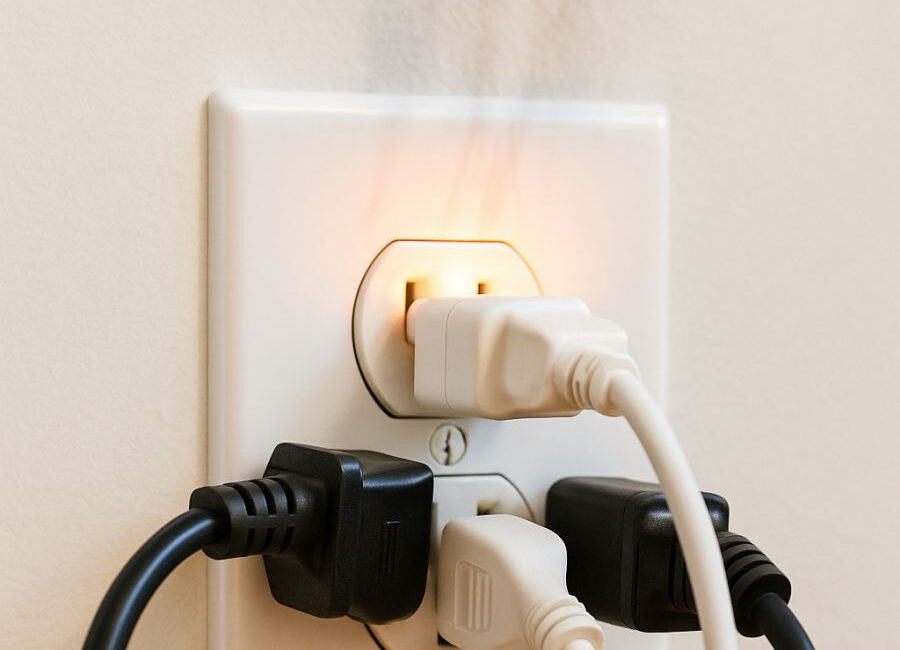
When an electrical outlet feels warm to the touch, it is not an inconvenience, a coincidence, or a harmless quirk of an aging home. It is a warning. Electricity is silent, invisible, and unforgiving, and heat is one of the few ways it signals that something is wrong. When this happens at an inconvenient time—such as during holidays when an electrician cannot come until after New Year—the risk is not paused simply because professional help is delayed. The danger exists in the present, and the actions you take in the first hours matter more than most people realize.
This article explains, in clear and practical terms, what warm outlets mean, why they are dangerous, and what you must do immediately to protect your home and the people inside it until a qualified electrician can safely inspect and repair the problem.
Why Electrical Outlets Should Never Feel Warm
Under normal conditions, an electrical outlet should remain at room temperature. Electricity flowing correctly through properly sized wires and tight connections does not generate noticeable heat at the outlet face. Warmth means resistance, and resistance means energy is being lost as heat instead of being delivered efficiently to the device plugged in.
This heat buildup is not random. It is usually caused by one or more of the following conditions:
Loose wiring behind the outlet creates tiny gaps where electricity must “jump,” producing heat.
Overloaded circuits draw more current than the wiring was designed to handle.
Worn or corroded outlet contacts fail to grip plugs tightly, increasing resistance.
Poor-quality outlets or aging materials degrade over time and heat up under normal loads.
Heat inside walls is particularly dangerous because it can smolder undetected. Electrical fires often begin slowly, not with dramatic sparks, but with gradual overheating that ignites insulation, dust, or nearby wood.
A warm outlet is not the problem itself. It is the symptom of a problem already in progress.
Why Waiting “Just a Few Days” Is Risky
Many people assume that if an outlet has been warm for a while without incident, it can wait a bit longer. This assumption is dangerous. Electrical failures are not linear. Conditions can remain stable for months and then escalate suddenly due to a small change, such as plugging in an additional device, a temperature drop that increases heater usage, or vibration that worsens a loose connection.
Holiday periods often increase electrical load. Decorative lights, heaters, cooking appliances, and extended time at home all place additional stress on circuits. A marginally safe outlet can cross into dangerous territory quickly under these conditions.
The absence of smoke or sparks does not mean safety. Heat is the early warning, not the final stage.
The First Action: Remove the Load Immediately
The most important step is also the simplest: unplug everything from the affected outlets immediately.
This includes devices that seem harmless, such as phone chargers, lamps, or small electronics. Even low-power devices can contribute to heat if the connection is faulty. Power strips and extension cords should be removed entirely, as they often encourage multiple devices to draw current from a single compromised outlet.
Once unplugged, the outlet may cool down. This does not mean the problem is resolved. It only means the symptom has temporarily subsided because the load has been removed.
Do not plug anything back in “just to check.” Reintroducing load reintroduces risk.
Turning Off the Circuit: The Safest Temporary Measure
If an outlet has felt warm, the safest course of action is to cut power to it entirely until it can be inspected.
At the electrical panel, identify the breaker that controls the affected outlets and switch it off. If you are unsure which breaker it is, it is better to turn off more breakers than necessary rather than risk leaving the circuit energized. In some cases, turning off the main breaker may be the safest option.
Living without power in part of the home for a few days is inconvenient. Recovering from a house fire is far worse.
Once the breaker is off, verify that the outlet is no longer powered by plugging in a lamp or tester briefly. If the breaker trips when you attempt to restore power later, that is confirmation that a fault exists and reinforces the need to keep it off.
What You Should Not Do Under Any Circumstances
When faced with a warm outlet, people often make well-intentioned but risky choices. Avoid these actions entirely:
Do not tighten outlet screws unless you are trained and the power is confirmed off.
Do not spray liquids, cleaners, or “cooling” products into the outlet.
Do not remove the outlet cover out of curiosity.
Do not assume the outlet is safe because it “feels cooler now.”
Do not rely on extension cords to bypass the problem outlet.
Electrical systems do not forgive experimentation. Small mistakes can have serious consequences.
Signs That Require Immediate Escalation
Some warning signs indicate that the situation is more urgent and should not wait until after New Year.
A burning or melting plastic smell near the outlet is a serious warning.
Discoloration on the outlet, cover plate, or wall indicates overheating.
Crackling, buzzing, or popping sounds suggest active electrical arcing.
An outlet that feels hot even with nothing plugged in is especially dangerous.
If any of these signs appear, keep the breaker off and seek emergency assistance. In such cases, waiting days is not a safe option.
Reducing Overall Electrical Stress in the Home
While waiting for professional repair, it is wise to reduce electrical load throughout the home, especially in older buildings.
Avoid using portable heaters or high-wattage appliances unnecessarily.
Do not run multiple heavy appliances at the same time.
Limit the use of power strips, especially older or inexpensive ones.
Be mindful of circuits that may already be near capacity.
Electrical systems age quietly. Reducing strain gives them less opportunity to fail.
Keeping the Area Safe and Visible
The area around the affected outlet should remain clear and visible. Furniture, curtains, rugs, paper, and fabric should be kept away from the outlet and the wall surrounding it. This reduces fire risk and ensures that any changes—such as discoloration or smoke—are noticed quickly.
Do not attempt to “insulate” the outlet with coverings or decorative plates. Trapping heat makes the situation worse, not better.
Why Warm Outlets Are Often a Symptom of a Larger Issue
An important point many homeowners miss is that a warm outlet rarely exists in isolation. If one outlet is overheating, others on the same circuit may be under stress as well, even if they do not yet feel warm.
The electrician’s eventual inspection may reveal loose connections at the breaker panel, undersized wiring, or multiple outlets sharing an overloaded circuit. Treating the single outlet seriously now can prevent broader damage later.
Ignoring it risks allowing a systemic problem to escalate unseen.
The Psychology of Underestimating Electrical Risks
Electrical hazards are often underestimated because they lack immediate drama. There is no open flame, no loud warning, no visible movement. This quietness encourages delay.
People are more likely to act quickly when they see water flooding a room than when they feel warmth in an outlet, even though electrical fires are among the leading causes of residential fires worldwide.
The correct response is not panic, but decisive caution. Electricity rewards respect and punishes complacency.
Preparing for the Electrician’s Visit
While waiting for professional repair, take notes that will help the electrician diagnose the issue efficiently.
Note which outlets were warm and when you noticed it.
Record what was plugged into them at the time.
Pay attention to whether outlets are on the same wall or room.
Observe whether breakers have tripped in the past.
This information can save time and reduce the likelihood of repeated problems.
The Bottom Line: Heat Is a Warning, Not a Mystery
A warm electrical outlet is never something to ignore, even temporarily. It is an early signal that the system is under stress and that a failure is possible if conditions worsen. The fact that an electrician cannot come immediately does not mean nothing can be done. On the contrary, the most important safety steps are the ones only you can take right away.
Unplug the outlet.
Turn off the circuit.
Keep the area clear.
Reduce electrical load elsewhere.
Remain alert for warning signs.
These actions do not fix the underlying problem, but they dramatically reduce the risk until professional help arrives.
Electricity is a powerful servant and a dangerous master. When it starts to generate heat where it shouldn’t, it is asking for attention. Giving that attention promptly can be the difference between a minor repair and a major disaster.