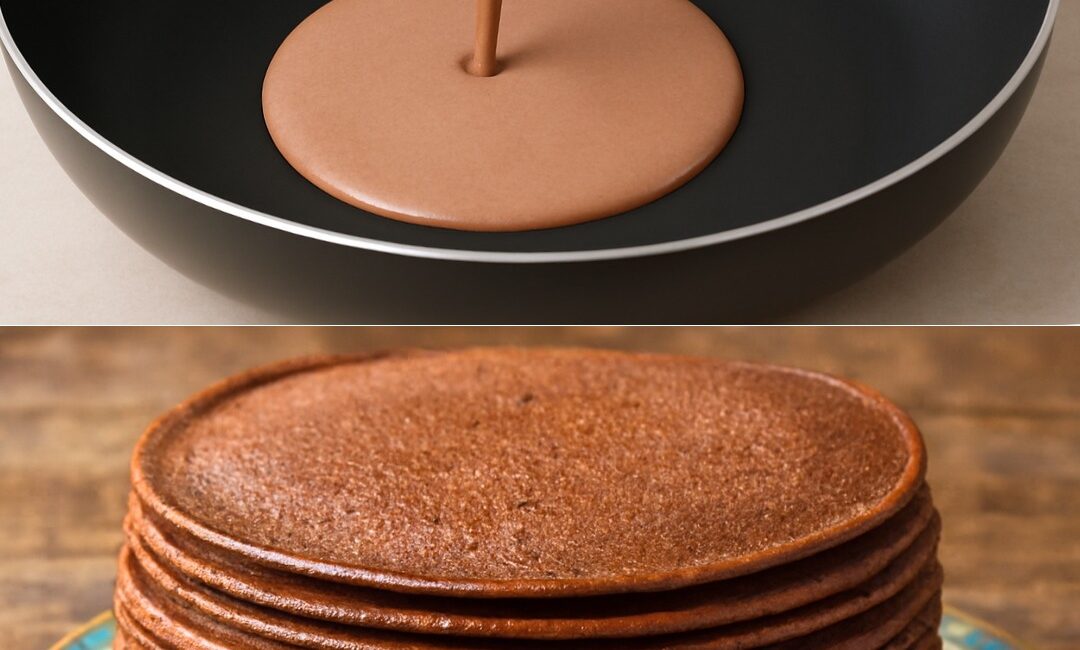
Chocolate crêpes are one of those timeless recipes that manage to feel both comforting and elegant at the same time. Light yet indulgent, simple yet rich in flavor, they can be enjoyed for breakfast, dessert, or even a special brunch. Soft chocolate crêpes—often described as moelleuses—are particularly loved for their tender texture, delicate cocoa aroma, and versatility. Whether served plain, filled, or topped with luxurious ingredients, they offer a moment of pure pleasure with every bite.
This long-form article explores everything you need to know about soft chocolate crêpes: their origins, why texture matters, ingredient choices, preparation techniques, common mistakes, serving ideas, variations, and tips to achieve consistently perfect results. By the end, you’ll not only know how to make them—you’ll understand why they work and how to elevate them to an unforgettable level.
The Timeless Appeal of Crêpes
Crêpes have a long history in culinary tradition and are beloved across cultures. Their simplicity is part of their charm: a thin batter, a hot pan, and a few minutes of cooking time. Yet within that simplicity lies endless room for creativity. Sweet crêpes, in particular, have evolved far beyond plain vanilla batter. Chocolate crêpes represent one of the most popular and indulgent variations.
Adding cocoa to the batter transforms the crêpe into something deeper and more aromatic. The subtle bitterness of cocoa balances sweetness beautifully, creating a refined dessert that appeals to both children and adults. When made correctly, chocolate crêpes are soft, flexible, and moist—never dry or rubbery.
What Makes Chocolate Crêpes “Moelleuses”?
The word moelleux refers to a soft, tender, almost melt-in-the-mouth texture. Achieving this quality in chocolate crêpes depends on several factors:
- Proper ingredient ratios
- Gentle mixing
- Correct cooking temperature
- Balanced moisture
Soft chocolate crêpes should bend easily without breaking, roll smoothly without cracking, and feel light rather than dense. They should have a delicate structure that holds fillings while still feeling airy on the palate.
Understanding the Ingredients
Each ingredient in chocolate crêpes plays an essential role. Knowing why each one matters will help you master the recipe and adjust it confidently.
Eggs
Eggs provide structure, richness, and elasticity. They help bind the batter and contribute to the soft, flexible texture. Using fresh eggs enhances flavor and color.
Sugar
Sugar adds sweetness but also helps with browning and softness. It lightly caramelizes during cooking, giving the crêpes a gentle golden finish and subtle depth of flavor.
Milk
Milk hydrates the flour and cocoa while creating a smooth, pourable batter. It contributes to tenderness and ensures the crêpes remain soft rather than dry.
Flour
Flour provides structure. Using the right amount is crucial—too much flour results in thick, heavy crêpes, while too little makes them fragile. The goal is balance.
Cocoa Powder
Cocoa is the heart of chocolate crêpes. It adds flavor, color, and aroma. Unsweetened cocoa powder is usually preferred, as it allows you to control sweetness and achieve a deeper chocolate taste.
Baking Powder
A small amount of baking powder adds lightness. While traditional crêpes don’t always include it, this ingredient helps create a slightly more tender and airy texture, especially for chocolate crêpes.
Salt
Salt enhances all flavors, including sweetness and chocolate notes. Even a pinch makes a noticeable difference.
Why Using a Blender Works So Well
Mixing the batter in a blender is one of the easiest ways to achieve a smooth, lump-free consistency. It evenly incorporates the cocoa powder and flour, ensuring a uniform chocolate color and texture.
Blending also introduces a small amount of air into the batter, which contributes to softness. However, it’s important not to over-blend. A short blending time is enough to combine ingredients without overworking the flour.
Batter Consistency: The Key to Success
Chocolate crêpe batter should be fluid and pourable, similar to light cream. If the batter is too thick, the crêpes will be heavy and cake-like. If it’s too thin, they may tear or lack structure.
If needed, adjust the consistency by adding a small amount of milk. Always make adjustments gradually to avoid thinning the batter too much.
The Importance of Resting the Batter
Click page 2 for more