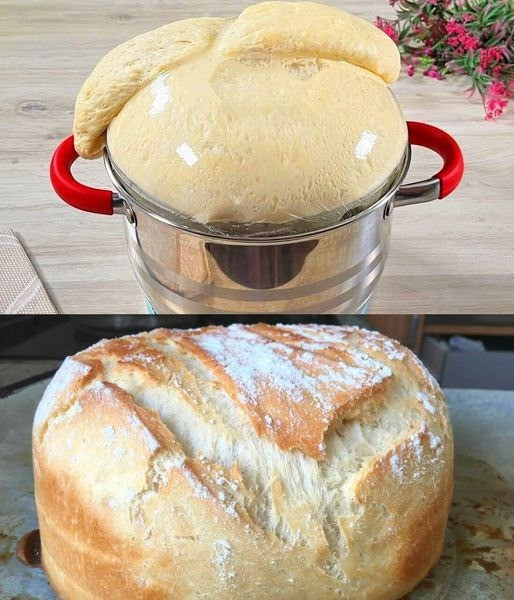
Bread is a staple in many households, but for some, store-bought loaves have lost their appeal. They often contain preservatives, have a uniform flavor, and lack the warmth and texture of freshly baked bread. If your household has decided that homemade bread is the way to go, the no-knead bread method is a game-changer. Not only does it require minimal effort, but it also produces a crusty, flavorful loaf that rivals artisan bakery bread.
No-knead bread has surged in popularity because it combines convenience with traditional bread-making techniques. Unlike traditional bread recipes that require extensive kneading, this method relies on time and natural fermentation to develop gluten and flavor. This makes it perfect for busy households, families, and anyone seeking the satisfaction of fresh, homemade bread without the physical labor.
Why No-Knead Bread Is Better Than Store-Bought
There are several reasons why people are turning away from store-bought bread in favor of no-knead methods:
1. Superior Flavor and Texture
Store-bought bread often contains stabilizers, preservatives, and dough conditioners to prolong shelf life. These additives can dull flavor and affect texture. No-knead bread, on the other hand, develops a deep, complex flavor through slow fermentation. The long resting period allows yeast to work gradually, producing a loaf with:
- A chewy, flavorful interior
- A crisp, caramelized crust
- Natural sweetness from the flour
2. Healthier Ingredients
When you bake your own bread, you control every ingredient. No-knead bread typically requires just:
- Flour (all-purpose or bread flour)
- Water
- Salt
- Yeast
Optional additions include whole grains, seeds, or herbs, making it possible to create a nutrient-rich, preservative-free loaf.
3. Minimal Effort
Traditional bread recipes can be intimidating due to their kneading requirements. No-knead bread eliminates that stress. Simply mix, let the dough rise for 12–18 hours, and bake. The process is forgiving and requires little hands-on attention.
4. Versatility
No-knead bread can be baked in a variety of vessels:
- Dutch ovens for a rustic crust
- Cast-iron skillets for a crunchy bottom
- Baking sheets for lighter, open-crumb loaves
You can even experiment with flavors, adding garlic, rosemary, or olives for unique variations.
The Science Behind No-Knead Bread
The magic of no-knead bread lies in slow fermentation. While kneading in traditional bread recipes develops gluten through mechanical action, the long rise time in no-knead bread allows gluten to form naturally. During this period:
- Yeast ferments sugars in the flour, producing carbon dioxide that creates air pockets.
- Gluten strands develop gradually, giving the bread its structure.
- Organic acids and alcohols form, enhancing flavor complexity.
This method is essentially time replacing effort, allowing you to enjoy artisan-quality bread without hours of kneading.
Basic No-Knead Bread Recipe
Here’s a classic recipe that yields a delicious, crusty loaf.
Ingredients:
- 3 cups all-purpose flour (or 2 ¾ cups flour + ¼ cup whole wheat)
- 1 ½ teaspoons salt
- 1/4 teaspoon instant yeast
- 1 ½ cups warm water (110°F / 43°C)
Instructions:
- Mix Ingredients: In a large bowl, combine flour, salt, and yeast. Gradually stir in warm water until a sticky dough forms.
- First Rise: Cover the bowl with plastic wrap or a clean towel. Let the dough rise at room temperature for 12–18 hours. The dough should be bubbly and doubled in size.
- Shape the Dough: Lightly flour your hands and a work surface. Gently fold the dough over itself once or twice, forming a rough ball. Avoid punching it down.
- Second Rise: Place the dough on a floured kitchen towel, cover, and let rise for 1–2 hours.
- Preheat the Oven: Place a Dutch oven (or oven-safe heavy pot) inside your oven and preheat to 450°F (230°C).
- Bake: Carefully transfer the dough to the preheated Dutch oven. Cover with the lid and bake for 30 minutes. Remove the lid and bake for an additional 15–20 minutes until golden brown and crusty.
- Cool: Remove the bread and let it cool completely on a wire rack before slicing.
Tips for Perfect No-Knead Bread
Click page 2 for more