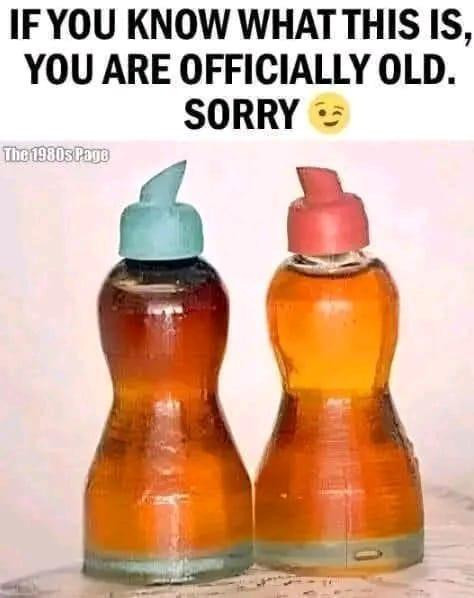
The evolution of these bottles mirrors the evolution of society itself. As the world became more aware of plastic waste and pollution, dish soap packaging transformed to reflect new values.
Today’s bottles are often made of recycled materials, with refill pouches and biodegradable formulations. It’s progress—no doubt about it—but it also symbolizes how design now serves global consciousness rather than emotional identity.
Meanwhile, technology has changed how we buy these products. Instead of browsing supermarket aisles filled with color, consumers scroll online catalogs with endless options. The screen replaces the shelf, and digital recommendations replace word-of-mouth nostalgia.
The result? The emotional bond between people and everyday objects weakens. The old bottles weren’t just practical—they were tangible connections to home.
Why Nostalgia Still Matters
Nostalgia is more than an indulgence—it’s a way of anchoring ourselves in a fast-changing world. When we look back at these bottles and feel something stir, it’s not just sentimentality. It’s gratitude.
They remind us of a time when life felt real and tactile. When you could smell the soap, feel the warmth of the water, hear the sound of plates clinking—not everything filtered through digital distance.
In an age of smart homes and one-click convenience, nostalgia helps us reconnect with sensory experience—with the world we can touch and feel.
The Emotional Architecture of “Vintage”
Being “vintage” isn’t just about age—it’s about authenticity. When someone calls you “officially vintage” for recognizing these bottles, it’s not an insult. It’s a nod to experience, to memory, to the fact that you’ve lived through eras that others only read about.
You carry stories in your mind that no algorithm can replicate. You’ve seen design evolve, trends fade, and technology reinvent itself a dozen times. These bottles, for you, are proof of life lived fully and attentively.
They remind you that being “vintage” isn’t about being outdated—it’s about being part of a story that continues.
Bridging Generations Through Nostalgia
Perhaps the most beautiful thing about nostalgia is that it invites conversation. When younger generations see these old bottles online and ask, “What are those?”, it opens a doorway.
Older people explain: “That’s dish soap. We used to squeeze it into the sink and wash dishes by hand.” Younger people react with surprise, curiosity, even admiration.
And just like that, connection happens. Across decades, across cultures, nostalgia becomes a shared language.
Lessons from the Past: Design with Heart
In a sense, these bottles teach us something profound about modern design. They remind us that practicality doesn’t have to mean soullessness, and that beauty can exist in the everyday.
They show us that simplicity isn’t about minimalism—it’s about empathy. Those bottles were designed for people: for wet hands, tired backs, busy lives. They made work easier, not just prettier.
If today’s world could learn one thing from them, it would be that design should serve emotion as much as efficiency.
Final Thoughts: Officially Vintage, Beautifully Human
If you know these bottles, you’re not just “old”—you’re part of a generation that grew up in the golden age of tangible experience. You know what it’s like to wash dishes with your hands, to hear the hiss of hot water on plates, to smell lemon soap filling the air.
Those bottles aren’t just retro artifacts—they’re reminders of warmth, connection, and life before everything became digital.
So yes, you might be officially vintage. But that’s not a bad thing—it’s a badge of honor. It means you remember a world that was slower but fuller, simpler but deeper.
Because while the designs of the past may fade, the memories they created never do.