A basin of warm water with Epsom salt relaxes muscles, softens skin, and reduces swelling. Epsom salt (magnesium sulfate) helps relieve tension naturally.
b) Alternating hot and cold therapy
Soak your feet in warm water for five minutes, then switch to cold for one minute. Repeat a few times. This stimulates blood flow and reduces inflammation.
c) Massage
Using your hands, a roller, or a tennis ball, gently massage your soles and arches. It releases tightness and improves lymphatic drainage.
d) Essential oils
Lavender, peppermint, and eucalyptus oils have mild anti-inflammatory and soothing effects. Add a few drops to warm water or a carrier oil for massage.
e) Comfortable footwear
Shoes that provide arch support and cushioning can prevent 90% of common foot pains.
f) Rest and elevation
After long days, simply elevating your feet above your heart helps drain fluid and reduce swelling.
g) Stay hydrated and stretch
Hydration helps reduce muscle cramps, and light stretching keeps ligaments flexible.
None of these methods involve kitchen foil — and yet, they work far better.
11. The Psychological Side: Why We Love “Secret Cures”
People are drawn to “hidden secrets” because they promise empowerment. When someone feels sick or tired, being told that you can fix it at home — with something as ordinary as foil — feels revolutionary.
It’s not stupidity; it’s human hope. But that hope can be manipulated. Viral health posts often mix a grain of truth (warmth can relieve pain) with a mountain of nonsense (aluminum foil cures flu).
Recognizing this pattern is key to protecting yourself from misinformation.
12. What Doctors Actually Say
Medical professionals consistently warn against believing in metallic remedies. Dr. Andrew Weil, a leading expert in integrative medicine, explains:
“There’s no scientific mechanism by which aluminum foil can influence inflammation, energy, or pain. At best, it traps heat; at worst, it causes irritation.”
Physiotherapists agree that warmth can ease stiffness — but any safe heat source (like warm water or a compress) works better and doesn’t block airflow.
In other words: the comfort is real, but the cure is imaginary.
13. What “Removing Inactive Members” Really Means
You might have noticed that many viral health posts include a strange line at the end: “We are removing inactive members from here.”
This isn’t about health at all. It’s a clickbait strategy used by page owners on Facebook or Telegram to increase engagement. By adding a warning like that, they make readers like, comment, or share the post — which tricks the platform’s algorithm into thinking the post is popular.
So when you see that phrase, remember: it’s not about health or community; it’s about visibility and ad revenue.
14. Why “Simple” Doesn’t Always Mean “Safe”
Simplicity is attractive. We all want easy, natural solutions — especially ones that don’t require spending money. But simplicity can become dangerous when it replaces logic.
Just because something is natural or cheap doesn’t mean it’s safe or effective. Water is natural, but too much can kill you. Herbs are natural, but some are toxic. Aluminum foil is cheap, but it can trap moisture and damage skin.
The best approach is balance: using common sense and verified information instead of internet magic.
15. The Real Way to “Stop Spending Money at the Pharmacy”
If your goal is to reduce pharmacy bills, there are real, evidence-based ways to do it — none of which involve wrapping yourself in foil.
- Preventive care: Eat balanced meals, stay active, and manage stress.
- Home first aid: Keep natural remedies like honey (antibacterial), aloe vera (healing), and chamomile tea (anti-inflammatory).
- Sleep and hydration: The simplest, cheapest medicine for your body.
- Avoid self-diagnosing on social media. Go to a professional when symptoms persist.
By keeping your health habits strong, you’ll automatically need fewer pills — and you’ll never have to rely on viral tricks to feel better.
16. The Bottom Line: What You Should Actually Do
If you’re tempted to try the aluminum foil trick out of curiosity, it won’t hurt you if done briefly and safely — but don’t expect miracles.
If you simply want warm, relaxed feet:
- Use a warm compress or soak.
- Massage them with natural oil.
- Wear cozy socks.
If you want long-term health improvement:
- Exercise regularly.
- Eat nutrient-rich food.
- Stay hydrated and rest well.
Health isn’t hidden in your kitchen drawer — it’s built daily through consistent care.
17. A Simple Truth Shines Through
In the end, aluminum foil is a reflection — literally and metaphorically. It reflects heat, yes, but also our desire to find hope in simple things. It mirrors our wish to feel in control of our well-being, to believe that we can heal ourselves with something ordinary.
But the real magic isn’t in the foil. It’s in awareness, skepticism, and the willingness to seek truth over trends.
Because health isn’t about avoiding the pharmacy — it’s about understanding your body, making informed choices, and treating information with as much care as you treat yourself.
18. Final Thoughts
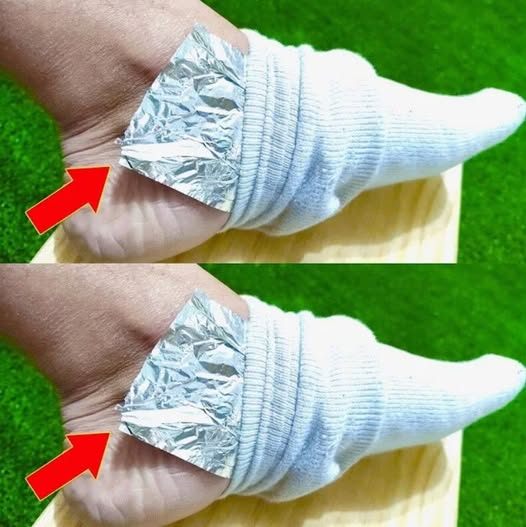
So, should you wrap aluminum foil around your feet? You can, but don’t expect miracles. It might make them warm for a while, but it won’t cure pain, illness, or inflammation.
Instead of chasing viral “hacks,” invest in habits that are proven to work: hydration, rest, proper footwear, gentle massage, and real medical advice when needed.
Next time you see a post that ends with “We are removing inactive members from here,” smile — you’ve just spotted a digital trick wrapped in shiny marketing.
True health isn’t hidden in your kitchen. It’s reflected in your daily choices.