Plastic seems durable, but many types are heat-sensitive.
Why You Should Avoid It
- Warping and Melting: High dishwasher heat can warp or deform containers.
- Chemical Leaching: Some plastics release chemicals when exposed to high heat.
Safe Cleaning Alternatives
- Wash by hand in warm water with mild detergent.
- Dry completely before storage to prevent bacterial growth.
Choosing high-quality, dishwasher-safe plastics reduces risk, but careful inspection is necessary.
9. Specialty Glassware
Delicate glass items, like wine glasses or crystal decanters, require special attention.
Why You Should Avoid It
- Etching: Detergents and high heat can cause cloudiness or etched patterns.
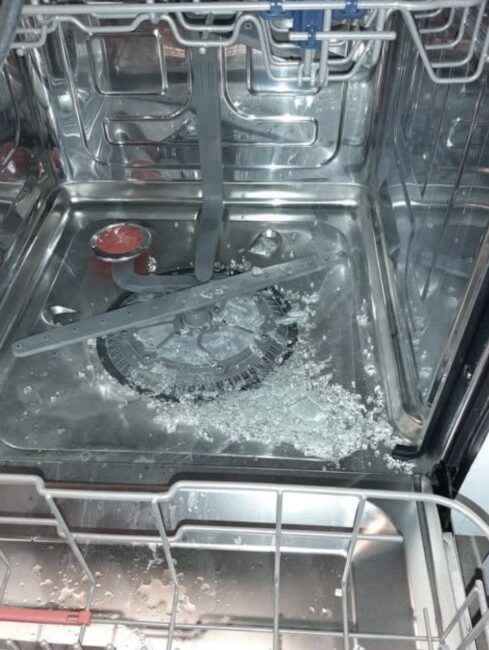
- Breakage: Water jets and stacking increase the risk of chipping or cracking.
Safe Cleaning Alternatives
- Hand wash using a soft cloth or sponge with mild soap.
- Rinse with warm water, not hot.
- Dry immediately with a lint-free towel.
Proper care keeps glassware sparkling and safe for display or entertaining.
10. Knick-Knacks and Specialty Kitchen Tools
Not all kitchen items are intended for dishwashers, including silicone molds, wooden salt bowls, or artisanal utensils.
Why You Should Avoid It
- Material Degradation: Silicone can degrade or warp over time.
- Finish Damage: Specialty finishes may peel, crack, or fade.
Safe Cleaning Alternatives
- Hand wash with gentle soap and warm water.
- Air-dry or towel dry to preserve material integrity.
Mindful care extends the lifespan of your unique kitchen tools.
Tips for Safe Dishwasher Use
While many items should be hand-washed, dishwashers remain highly useful. Following these pro tips ensures optimal results:
- Check Manufacturer Instructions: Always verify if an item is dishwasher-safe.
- Use Gentle Detergents: Avoid harsh chemical cleaners for sensitive items.
- Load Carefully: Avoid stacking or crowding delicate pieces.
- Select the Right Cycle: Use low heat or delicate cycles for safer cleaning.
- Remove Items Promptly: Prolonged heat exposure can damage sensitive materials.
By following these guidelines, you can enjoy the convenience of dishwashers without risking damage to your kitchen treasures.
Conclusion: Protect Your Kitchen Treasures
Dishwashers are an incredible convenience, but not every item belongs in them. Wooden utensils, sharp knives, nonstick and cast iron cookware, fine china, copper, plastic containers, specialty glassware, and delicate kitchen tools all require hand washing and careful maintenance.
Understanding which items are dishwasher-safe and which are not ensures your kitchen investments remain pristine, functional, and aesthetically pleasing. Adopting safe cleaning alternatives and preventive strategies protects your cookware, extends its lifespan, and enhances your kitchen experience. By taking a little extra care, you can enjoy sparkling dishes and preserved kitchen treasures for years to come.
Protecting your kitchenware is more than just cleaning—it’s about preserving quality, safety, and the joy of cooking. Invest in knowledge, apply these practices, and your cookware will reward you with performance, longevity, and beauty.