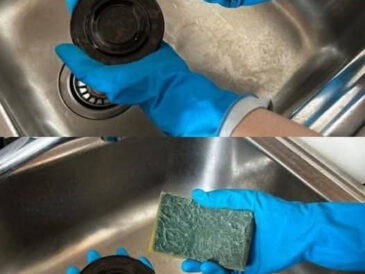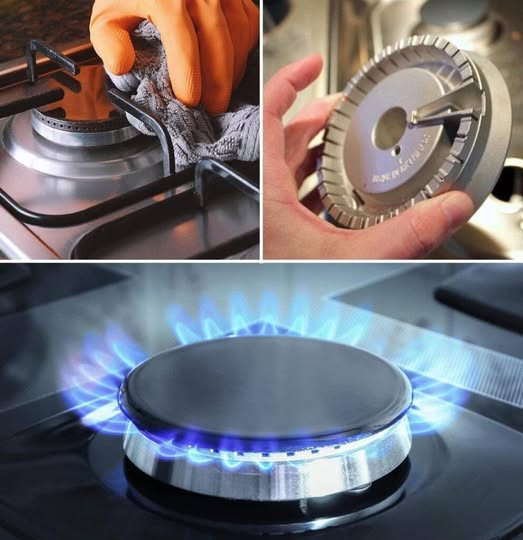
Some clogs may resist standard cleaning. Here’s how to tackle them effectively:
1. Vinegar and Baking Soda Reaction
- Sprinkle baking soda over clogged areas.
- Pour vinegar slowly to create a fizzy reaction that loosens grime.
- Wait 10-15 minutes, then scrub gently with a brush.
2. Steam Cleaning
- Fill a pot with water and boil it on the cooker to create steam.
- Use a microfiber cloth to wipe surfaces while warm.
- Steam softens hardened grease and food particles for easy removal.
3. Ultrasonic Cleaning for Small Parts
- For intricate parts like gas orifices, an ultrasonic cleaner can remove stubborn debris efficiently.
- Submerge parts in water or cleaning solution and let ultrasonic waves dislodge clogs without damage.
How Unclogging Your Cooker Saves Money
Many people underestimate the financial benefits of unclogging their cooker. The impact is substantial:
1. Reduced Energy Bills
A clogged cooker requires more time and higher energy to achieve the same results. Removing clogs ensures faster heating and more efficient energy consumption.
2. Extended Appliance Lifespan
Regular cleaning prevents wear and tear. Burners, coils, and vents last longer, reducing the need for costly replacements.
3. Less Frequent Repairs
Clogs often lead to uneven heating, electrical issues, or gas blockages that necessitate professional repairs. Preventive maintenance minimizes these costs.
4. Better Cooking Outcomes
Efficiency isn’t just about money—it affects the quality of food. Unclogged cookers provide consistent heat, ensuring meals are cooked evenly and saving money on wasted ingredients.
Safety Considerations
Cleaning cookers involves working with gas, electricity, and hot surfaces. Always prioritize safety:
- Never clean a hot cooker.
- Avoid using excessive water on electric cookers to prevent short circuits.
- Ensure all parts are dry before reassembly.
- If unsure about gas connections, consult a professional.
Common Mistakes to Avoid
Even with the best intentions, some cleaning practices can worsen clogging or damage your cooker:
- Using abrasive materials that scratch surfaces.
- Pushing debris deeper into burner orifices.
- Ignoring manufacturer instructions for removable parts.
- Using harsh chemicals that corrode metal or plastic.
By avoiding these mistakes, you maintain your appliance’s integrity and efficiency.
Eco-Friendly Cleaning Alternatives
For environmentally conscious households, natural methods offer a safe and effective way to remove clogs:
- Lemon juice: dissolves grease and leaves a fresh scent.
- Vinegar: excellent for mineral deposits and general cleaning.
- Baking soda: a gentle abrasive that can scrub without damaging surfaces.
- Olive oil: a natural degreaser that can polish burners and metal parts.
Using these alternatives reduces chemical exposure, protects the environment, and ensures your kitchen remains safe for family members.
Integrating Cooker Maintenance Into Your Lifestyle
The key to preventing clogging is consistency. Treating your cooker as an essential part of your home maintenance routine ensures lasting efficiency:
- Schedule monthly deep-cleaning sessions.
- Keep a small cleaning kit near the kitchen for quick touch-ups.
- Educate all household members on proper cooking practices to avoid spills and grease buildup.
By making maintenance habitual, you save money, time, and frustration while creating a healthier cooking environment.
Conclusion
Clogging in cookers is a silent efficiency killer that affects energy consumption, cooking performance, and appliance longevity. By understanding the causes of clogging, identifying early warning signs, and implementing effective cleaning strategies, homeowners can restore their cookers to peak performance. Regular maintenance, preventive measures, and mindful cooking habits not only save money but also ensure a safer, cleaner, and more efficient kitchen.
Whether it’s removing grease, clearing mineral deposits, or tackling stubborn food residues, every step contributes to better cooking outcomes and energy savings. Investing time in unclogging your cooker is not just a household chore—it’s a cost-effective strategy for maintaining a high-functioning kitchen and protecting your investment.
Take charge of your cooker today, and experience the satisfaction of faster, more efficient cooking, lower energy bills, and a longer-lasting appliance. Your kitchen—and your wallet—will thank you.