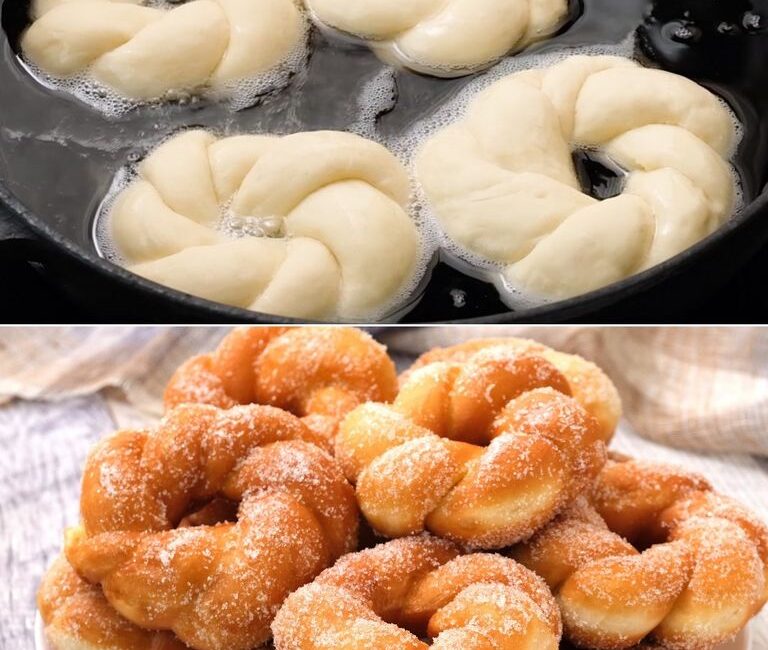
Few things capture the magic of home baking quite like freshly made donuts. The combination of soft, pillowy dough, golden-brown exteriors, and a generous coating of sugar makes these treats irresistible. Among the most visually stunning and delicious varieties are braided donuts, whose intricate shapes make them as appealing to the eyes as they are to the palate. With the right technique, ingredients, and attention to detail, you can create a batch of donuts that rivals anything from a bakery.
This comprehensive guide will explore every aspect of making homemade braided donuts—from understanding ingredients, preparing the perfect dough, shaping the braids, frying to golden perfection, and coating them in sugar, to advanced tips for achieving bakery-level results. Whether you’re a novice baker or a seasoned pro, this guide will help you master the art of braided donuts.
Understanding the Ingredients
The success of homemade braided donuts hinges on the quality and balance of ingredients. Each component serves a purpose in creating the ideal texture, flavor, and appearance.
Flour (500 g)
Flour is the structural foundation of your donuts. Using high-protein bread flour is recommended because it provides enough gluten to support the braided structure while keeping the interior soft and elastic. All-purpose flour can work, but the texture may be slightly less chewy.
Sugar (80 g)
Sugar not only sweetens the dough but also feeds the yeast during fermentation. In addition, it contributes to the caramelization of the donut surface during frying, enhancing color and flavor. Granulated sugar is ideal for coating after frying, while a portion of it is incorporated into the dough.
Yeast (7 g active dry yeast)
Yeast is crucial for leavening. It metabolizes the sugars, producing carbon dioxide that makes the dough rise and become airy. Ensure your yeast is fresh and active, and dissolve it in warm milk (around 35–40°C) to activate it properly.
Eggs (2)
Eggs enrich the dough, contributing to softness, structure, and flavor. They also improve the golden color of the donuts and add protein, which strengthens the dough and enhances its elasticity for braiding.
Butter (50 g softened)
Butter adds richness and tenderness, creating a moist, flavorful crumb. Using softened butter ensures it incorporates evenly without weighing down the dough.
Milk (200 ml, warm)
Warm milk hydrates the flour, activates the yeast, and adds a subtle sweetness and creaminess. Avoid overheating; water that’s too hot can kill the yeast.
Salt (a pinch)
Salt enhances flavor and balances sweetness. It also strengthens the dough by tightening gluten networks, which improves elasticity for shaping braided designs.
Sugar for Coating
Once fried, rolling the donuts in granulated sugar provides a sweet, textured crust that contrasts perfectly with the soft interior. Optionally, you can experiment with cinnamon sugar, powdered sugar, or even a glaze.
Preparing the Dough
The process of making perfectly soft and elastic donut dough involves precise mixing, kneading, and fermentation.
Step 1: Mixing Ingredients
- Start by combining flour, sugar, yeast, and salt in a large mixing bowl. Make a well in the center.
- Beat the eggs lightly and mix them with the warm milk. Gradually pour the liquid mixture into the flour.
- Add the softened butter in small pieces, mixing until the dough begins to come together.
Step 2: Kneading
Kneading is essential for developing gluten, which gives braided donuts their structure and chewiness.
- Knead the dough for approximately 10 minutes, either by hand or using a stand mixer fitted with a dough hook.
- The dough should be smooth, elastic, and slightly tacky but not sticky.
- Test by gently pressing a finger into the dough; it should bounce back slowly.
Step 3: First Proofing
- Place the kneaded dough in a lightly greased bowl, cover with a damp cloth or plastic wrap, and let it rise for 1.5 hours or until it doubles in size.
- Optimal proofing occurs in a warm, draft-free environment, such as an oven with the light on.
- Proper fermentation develops flavor and ensures the donuts are airy rather than dense.
Shaping the Braids
Braiding the donuts is both an art and a technique that requires patience. Proper shaping ensures uniform cooking and an attractive appearance.
Step 1: Dividing the Dough
- Punch down the dough gently to release excess gas.
- Divide the dough into equal portions, depending on the size of donuts you desire (e.g., 8–12 pieces).
Step 2: Rolling
- Roll each portion into three equal strands, approximately 20–25 cm long.
- Keep the strands even in thickness to ensure uniform braiding.
Step 3: Braiding
- Lay the three strands side by side and pinch them together at one end.
- Cross the strands alternately over each other in a traditional braid pattern.
- Pinch the ends together and gently form the braid into a circular ring, tucking the ends underneath.
Step 4: Second Proofing
- Place the shaped donuts on a lightly floured surface or parchment paper.
- Cover them and let them rise for an additional 30 minutes.
- This step ensures the donuts are puffy and will fry evenly.
Frying the Donuts
Click page 2 for more