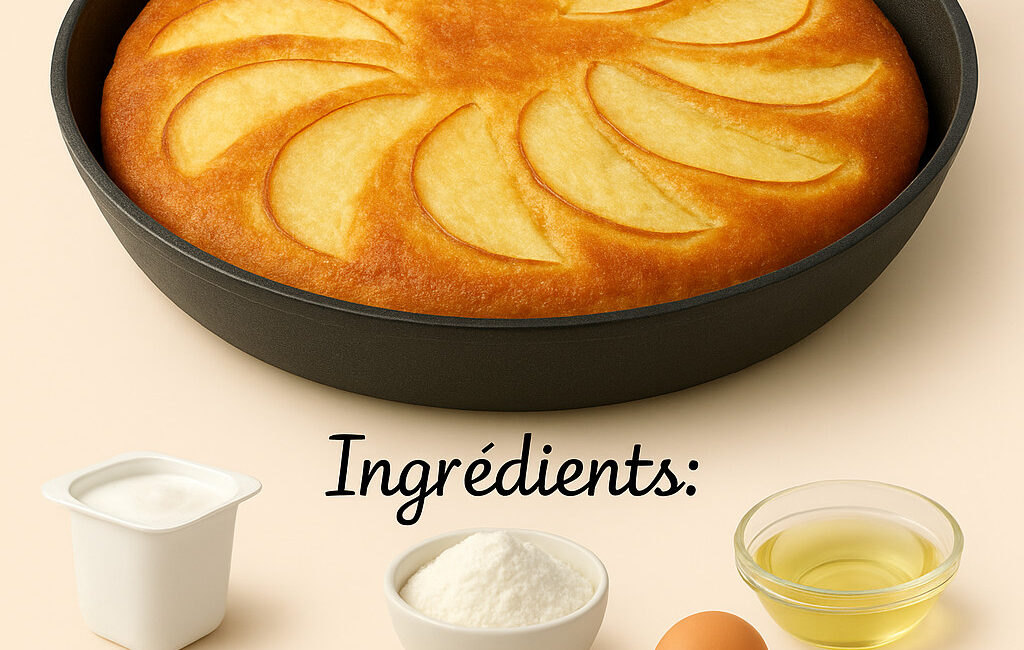
There are few things in life as comforting and versatile as a homemade cake. But not everyone has the time, energy, or equipment to bake a traditional oven cake. Enter the skillet yogurt apple cake — a delightful treat that’s quick to make, incredibly flavorful, and perfectly tender. In just 15 minutes, including preparation and cooking time, you can transform simple pantry staples into a dessert that rivals any bakery creation.
Whether you’re hosting a brunch, satisfying a sudden sweet craving, or preparing a healthy snack for your family, this recipe is a lifesaver. Its simplicity hides a depth of flavor that comes from the combination of tangy yogurt, sweet apples, and light, fluffy cake batter.
This article will guide you through every detail of making this cake, including tips for perfect texture, flavor variations, skillet choices, and serving ideas. By the end, you’ll have mastered a cake that’s not only quick and easy but also elegant and crowd-pleasing.
Why Skillet Cakes Are Revolutionary in Quick Baking
Skillet cakes, or stove-top cakes, are not just a convenience — they are a revolution for home bakers. Unlike traditional oven cakes that require preheating, baking, and cooling, skillet cakes allow you to cook evenly over a gentle flame, producing a moist, tender interior and a lightly caramelized exterior.
The skillet method offers several advantages:
- Time Efficiency: With no need to preheat the oven and a short cooking time, you can enjoy freshly baked cake in under 20 minutes.
- Energy Saving: Cooking on the stove uses less energy than heating a full oven, making it environmentally friendly.
- Versatility: Skillets can adapt to any flavor profile — from apples and cinnamon to chocolate and berries.
- Texture Control: The gentle heat allows for a perfectly moist cake, with a delicate crust forming naturally on the bottom.
When combined with yogurt, this method is elevated even further. Yogurt adds moisture, tanginess, and a subtle richness that keeps the cake soft for hours, making it ideal for family breakfasts, afternoon teas, or last-minute desserts.
The Magic of Yogurt in Baking
Yogurt is one of the most underrated ingredients in baking. It’s not just a healthy addition — it’s transformative for texture and taste.
1. Moisture and Tenderness
Yogurt contains water and milk solids, which interact with flour to create a soft crumb. Unlike heavy creams or butter, yogurt makes the cake light yet moist, allowing each bite to melt effortlessly in your mouth.
2. Tangy Flavor
The natural acidity of yogurt balances sweetness, especially when paired with sugar and fresh fruit. In this apple cake, the tangy notes of yogurt complement the sweetness of apples, creating a harmonious flavor profile.
3. Activation of Leavening Agents
The slight acidity of yogurt reacts with baking powder (or yeast in some recipes) to create tiny air pockets, giving the cake a gentle rise and airy texture. This is particularly important for skillet cakes, which rely on gentle heat rather than oven convection for rising.
4. Nutritional Benefits
Adding yogurt boosts protein content and provides beneficial probiotics, making this cake not only delicious but also slightly healthier than traditional butter-heavy cakes.
Ingredients Breakdown: Understanding Each Component
Every ingredient in this skillet yogurt apple cake plays a crucial role. Understanding their function ensures perfect results every time.
1. Yogurt
- Quantity: 125 g (1 small container)
- Function: Provides moisture, tenderness, and slight acidity. Plain yogurt is preferred to allow the natural flavors of apples and sugar to shine.
2. Sugar
- Quantity: 1 pot (using the yogurt container as a measuring unit)
- Function: Sweetens the batter and promotes browning during cooking. For a healthier variation, you can use coconut sugar or raw cane sugar.
3. Flour
- Quantity: 2 pots
- Function: Provides structure. All-purpose flour works best; for a slightly lighter cake, you can use a mix of all-purpose and cake flour.
4. Neutral Oil
- Quantity: ½ pot
- Function: Keeps the cake moist and prevents sticking. Neutral oils like sunflower or vegetable oil are ideal to avoid overpowering flavors.
5. Eggs
- Quantity: 2
- Function: Adds structure, richness, and binding properties. Eggs also enhance browning and give the cake a tender crumb.
6. Baking Powder
- Quantity: 1 teaspoon
- Function: Leavening agent that makes the cake rise. It works with yogurt’s acidity to create a soft, fluffy texture.
7. Apple Slices
- Quantity: 1 apple, thinly sliced
- Function: Adds natural sweetness, moisture, and texture. Apples also caramelize slightly on the skillet, enhancing flavor complexity.
Step-by-Step Preparation: From Batter to Skillet Perfection
Step 1: Mix the Wet Ingredients
Start by combining the yogurt, sugar, and eggs in a mixing bowl. Whisk them together until smooth and creamy. The sugar should dissolve completely, creating a slightly frothy mixture.
Step 2: Incorporate the Dry Ingredients
In a separate bowl, mix flour and baking powder. Gradually fold the dry mixture into the wet ingredients to avoid lumps.
Step 3: Add the Oil
Click page 2 for more