The absorption or blot test helps you detect moisture or syrup content by checking how honey interacts with paper.
What You Need:
- A sheet of blotting paper, tissue paper, or paper towel
- A few drops of honey
Steps:
- Place a drop of honey on the paper.
- Wait for 2–3 minutes.
- Observe if it seeps through or stays intact.
Results:
- Pure Honey: Stays in place and does not soak through.
- Adulterated Honey: Gets absorbed quickly or leaves a wet mark because of excess water.
Why It’s Effective:
Pure honey has minimal moisture, making it less likely to soak into absorbent materials. If your honey seeps through, it’s a clear indication that it has been diluted.
Bonus: The Crystallization Test
Although not an instant home test, crystallization over time can also tell you a lot about the authenticity of your honey.
- Pure honey tends to crystallize naturally, forming tiny sugar granules after weeks or months.
- Fake honey remains runny for an unnaturally long time due to added preservatives and sugars.
Tip: If your honey crystallizes, that’s a good sign—it’s likely raw and unprocessed.
Additional Clues to Identify Pure Honey
Beyond the tests, there are several subtle signs that can help you judge the quality of your honey right from the jar:
- Color Variations: Pure honey comes in a range of shades—golden, amber, or dark brown—depending on the flower source. Fake honey often looks uniformly colored.
- Aroma: Natural honey has a mild floral scent; fake honey smells overly sweet or synthetic.
- Stickiness: Rub a bit of honey between your fingers. Pure honey feels sticky and slightly warm, while adulterated honey feels watery or slippery.
- Taste Test: Real honey has a complex flavor profile that lingers, not just sugary sweetness.
- Foam Formation: If your honey creates foam after shaking, it might have added sugar syrup or fermentation.
How to Store Honey Correctly
Even the purest honey can lose its natural goodness if it’s stored incorrectly. Proper storage helps maintain honey’s texture, flavor, and antibacterial properties.
- Use Glass Jars: Store honey in airtight glass containers. Avoid metal, as it can react with honey’s acids.
- Keep It in a Cool, Dry Place: Room temperature (around 20–25°C) is ideal. Avoid refrigeration, which can speed up crystallization.
- Avoid Moisture: Always use a dry spoon when scooping honey.
- Keep Away from Sunlight: UV exposure can degrade honey’s enzymes and antioxidants.
The Science Behind Honey Purity
The physical properties that make these tests possible come from the unique chemistry of honey. Let’s look at what gives honey its remarkable behavior.
- Viscosity: Honey’s thickness depends on its sugar composition and water content. Pure honey has less than 20% water.
- Surface Tension: Honey’s cohesive nature makes it cling to surfaces—why it passes the thumb test.
- Hygroscopic Nature: Pure honey absorbs moisture from the air, which is why it can stay fresh for years when sealed properly.
- Antimicrobial Properties: Its low water activity prevents bacterial growth, while hydrogen peroxide (formed naturally in honey) adds to its antiseptic power.
When artificial sugars or syrups are added, these delicate balances are disrupted, changing how honey reacts in each test.
Common Types of Fake Honey You Might Encounter
Being able to identify fake honey is easier when you understand how it’s made. Here are the most common types of adulterated honey found in markets:
- Sugar Syrup Honey: Made by blending cane sugar syrup or glucose with small amounts of real honey.
- Molasses or Corn Syrup Honey: Often used for color and thickness but lacks nutritional value.
- Artificially Flavored Honey: Contains synthetic flavors and food coloring.
- Overheated Honey: Sometimes manufacturers heat honey excessively to delay crystallization, which destroys its enzymes and aroma.
The Economic and Ethical Side of Fake Honey
The problem with adulterated honey isn’t just personal—it’s global and economic. Counterfeit honey affects local beekeepers, ecosystems, and even pollination patterns. When consumers choose cheaper, impure honey, small-scale producers who maintain ethical beekeeping practices suffer losses.
By testing honey and supporting trusted sources, you’re helping sustain a fair and healthy honey industry. Moreover, it encourages ethical practices that protect bees—our essential pollinators for food crops and biodiversity.
How to Buy Authentic Honey
To ensure that you’re getting the real deal:
- Check the Label: Look for “raw,” “unfiltered,” or “organic” claims—but beware of vague marketing terms.
- Support Local Beekeepers: Buying directly from trusted local producers reduces the chance of adulteration.
- Avoid Extremely Cheap Honey: If the price seems too low, it probably isn’t pure.
- Perform Home Tests Regularly: Even if your honey is from a trusted brand, testing occasionally helps verify consistency.
Health Benefits of Pure Honey
Once you’ve confirmed your honey’s authenticity, you’ll be glad to know how many powerful health benefits it offers. Pure honey is more than a sweetener—it’s a functional food that supports overall wellness.
1. Boosts Immunity
Honey is rich in antioxidants like flavonoids and phenolic acids that strengthen the immune system.
2. Natural Cough Suppressant
A spoonful of raw honey can soothe sore throats and calm nighttime coughing better than many over-the-counter syrups.
3. Promotes Digestive Health
Honey acts as a prebiotic, feeding beneficial gut bacteria and aiding digestion.
4. Skin and Hair Care
Its antibacterial properties make it a wonderful natural ingredient for face masks, lip balms, and scalp treatments.
5. Energy and Recovery
Athletes use honey as a quick, natural energy source because it provides a slow, steady release of glucose.
6. Wound Healing
Medical-grade honey is used in hospitals to treat burns and ulcers due to its natural healing enzymes.
A Sweet Reminder
Honey is one of the rare foods that can last forever if stored properly. Archeologists have even found pots of honey in Egyptian tombs that are thousands of years old—and still perfectly edible. This remarkable longevity is only possible because of honey’s natural purity.
When you test your honey and ensure it’s authentic, you’re connecting with an ancient legacy of nature’s perfection.
Conclusion: Trust Your Senses and the Science
Testing honey at home isn’t complicated—it’s empowering. By learning these five easy methods, you gain the ability to protect yourself and your family from fake or diluted products.
Let’s recap the five tests:
- Water Test — Pure honey sinks and stays intact.
- Flame Test — Pure honey burns steadily.
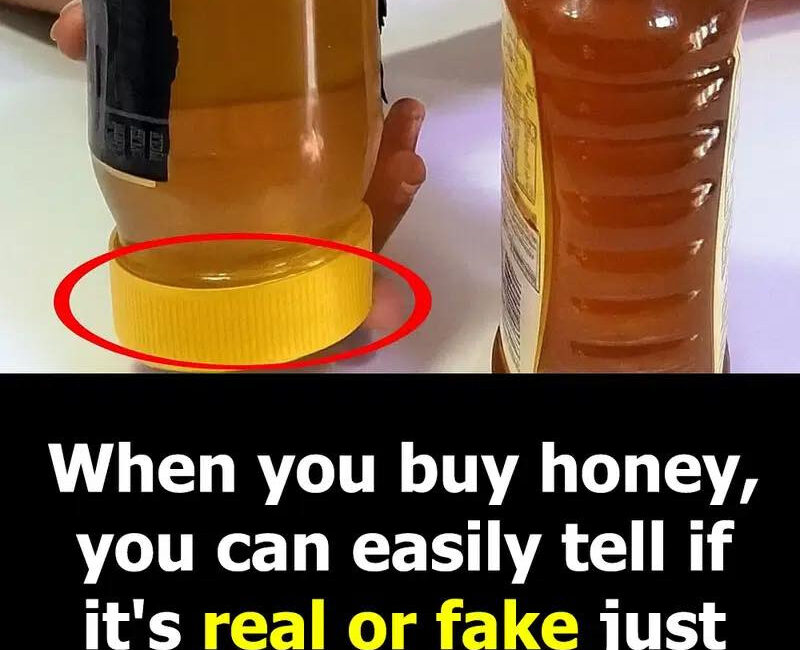
- Thumb Test — Pure honey sticks and doesn’t spread.
- Vinegar Test — Pure honey doesn’t foam.
- Absorption Test — Pure honey doesn’t soak through paper.
And of course, No.3—the Thumb Test— is the one that even surprised professional beekeepers for its accuracy and simplicity!
In a world full of processed foods and artificial ingredients, being able to recognize purity is a skill worth having. Whether you’re a health enthusiast, a home cook, or simply someone who appreciates nature’s finest gifts, these simple tests will help you stay confident about what you’re consuming.
The next time you drizzle honey over your toast, stir it into your tea, or use it as a healing remedy, you’ll know for sure that what you’re tasting is authentic, golden, and truly natural honey.