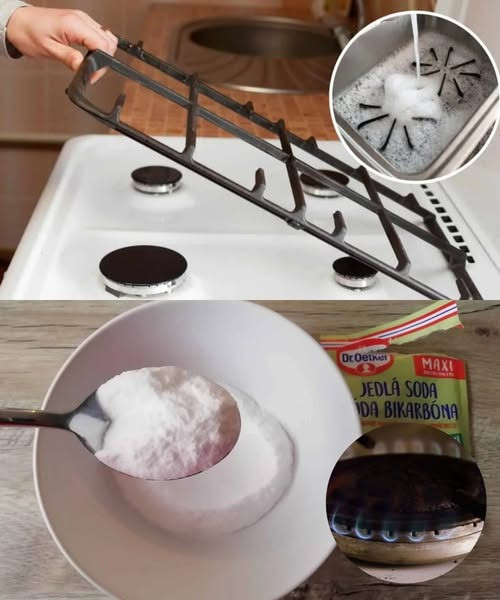
Additional Tips for Maintaining Cast Iron Grates
Preventing grease and grime accumulation is easier than removing it, especially with heavy use. Here are practical maintenance tips:
1. Clean After Every Use
Wipe grates down with a damp cloth or sponge after cooking to prevent buildup. For minor spills, hot water and mild soap are often sufficient.
2. Avoid Harsh Chemicals
Avoid using bleach or harsh chemical cleaners, as these can strip the iron’s seasoning and potentially leave residues that affect food taste.
3. Use Splatter Guards
When frying or cooking with oils, use a splatter guard to minimize grease deposition on grates.
4. Dry Immediately
Always dry grates completely after cleaning to prevent rust formation. Avoid air-drying in humid environments.
5. Regularly Re-Season
Even well-maintained grates benefit from periodic re-seasoning to maintain their natural non-stick surface and prevent oxidation.
Natural Alternatives to Chemical Cleaners
Many homeowners prefer eco-friendly cleaning methods. Besides baking soda and vinegar, other natural solutions can clean cast iron grates effectively:
- Lemon Juice: The acidity of lemon juice helps dissolve grease and remove stains. Combine with coarse salt for a gentle abrasive scrub.
- Salt Scrub: Coarse kosher salt acts as a natural abrasive to lift burnt-on food without damaging the seasoning.
- Hot Water Steam: Boiling water poured over the grates can loosen stubborn residues, reducing the need for chemical cleaners.
Common Mistakes to Avoid
Even experienced cooks sometimes damage their grates due to improper cleaning methods. Avoid these mistakes:
- Soaking Too Long: Prolonged soaking in water can cause rust. Limit soaking to 20–30 minutes.
- Using Metal Scrubbers: Steel wool or wire brushes can scratch the surface and remove seasoning.
- Dishwasher Use: Never place cast iron grates in a dishwasher; detergents and water exposure can strip seasoning and cause rust.
- Neglecting Drying: Incomplete drying is the primary cause of rust formation.
Why Proper Cast Iron Maintenance Matters
Safety Considerations
Grease buildup on grates is not just unsightly; it’s a fire hazard. Over time, accumulated oil can ignite, posing serious safety risks. Regular cleaning significantly reduces the chance of kitchen fires.
Cooking Efficiency
Clean grates ensure even heat distribution, preventing hotspots that can burn food. Dirty grates with heavy residue affect the stability of pots and pans, potentially causing spills or uneven cooking.
Longevity and Investment
Cast iron grates are a long-term investment. Proper care maintains their structural integrity and appearance, ensuring they remain functional for decades.
Frequently Asked Questions
Can I use vinegar on seasoned cast iron?
Yes, but use it sparingly and never leave the grates soaking for long periods. Short exposure combined with baking soda is sufficient to remove grease without damaging seasoning.
How often should I clean my stovetop grates?
Light cleaning after each use is recommended, with deep cleaning using the baking soda-vinegar method every 2–4 weeks depending on usage.
Can I use this method on enamel-coated grates?
This guide focuses on bare cast iron. For enamel-coated grates, avoid abrasive scrubbing and opt for mild dish soap and non-abrasive sponges.
Conclusion
Cleaning cast iron stovetop grates doesn’t have to be a labor-intensive chore. With a simple, natural method using baking soda, vinegar, and heat, you can melt away grease effortlessly and restore your grates to like-new condition. Combined with regular maintenance, proper drying, and occasional re-seasoning, your cast iron grates will remain a durable, functional, and visually appealing part of your kitchen for decades.
By following this guide, you ensure safer cooking, even heat distribution, and longevity of your stovetop components—all without harsh chemicals or excessive scrubbing. Cast iron may be tough, but with the right care, it rewards you with unbeatable performance, reliability, and timeless appeal.