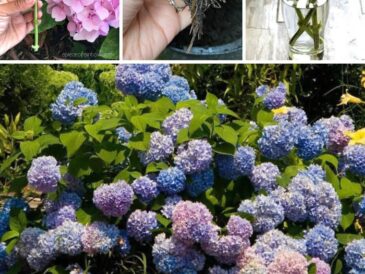
Another astonishing use of tea bags is in gardening, where they can act as natural fertilizers, pest repellents, and soil enhancers.
4.1. Natural Fertilizer
Used tea bags still contain nutrients that enrich soil, including nitrogen, phosphorus, and potassium. Adding them to plant soil helps promote healthy growth and improves soil structure.
How to Use:
- Open the used tea bag and sprinkle the contents around the base of plants.
- Lightly water to help nutrients penetrate the soil.
4.2. Compost Booster
Tea bags are excellent additions to compost piles because they accelerate decomposition and enrich compost with valuable minerals. Ensure the bags are biodegradable and free of synthetic materials.
How to Use:
- Tear open used tea bags and add them to your compost bin along with other organic waste.
- Mix thoroughly to speed up decomposition.
4.3. Pest Repellent
Certain teas, such as peppermint, chamomile, and green tea, can repel pests naturally. Sprinkling used tea leaves in garden soil can help deter ants, aphids, and other unwanted insects without the use of harsh pesticides.
5. Culinary and Kitchen Uses
Used tea bags have surprising applications in the kitchen beyond a single cup of tea.
5.1. Flavoring Soups and Stews
Even after brewing, tea leaves retain mild flavors that can enhance broths and stews. Green tea, black tea, or herbal blends can subtly enrich soups with aromatic and earthy notes.
How to Use:
- Drop a used tea bag into a simmering soup or stock for 10–15 minutes.
- Remove before serving.
5.2. Cleaning Fruits and Vegetables
Tannins in used tea bags act as a natural disinfectant, which can help remove residues from fresh produce.
How to Use:
- Steep a used tea bag in a bowl of warm water.
- Soak fruits and vegetables for 5–10 minutes, then rinse thoroughly.
5.3. Tenderizing Meat
Certain teas, like black or green tea, contain enzymes that help tenderize meat. Used tea bags can be placed in marinades to soften tougher cuts of meat naturally.
How to Use:
- Place a used black tea bag in your marinade.
- Allow meat to marinate for 1–2 hours.
- Remove the tea bag before cooking.
6. Craft and Creative Uses
Tea bags can also inspire creative DIY projects, from natural dyes to home decor.
6.1. Natural Dyeing
Tea can be used to stain fabrics, paper, or wood, giving them an antique or vintage look. The tannins in tea act as natural colorants.
How to Use:
- Soak the used tea bag in hot water to release color.
- Apply the tea solution to fabric, paper, or wood surfaces.
- Allow to dry naturally for a subtle, earthy hue.
6.2. Potpourri and Aromatherapy
Dry used tea bags can be combined with dried flowers and essential oils to create homemade potpourri or scent sachets.
How to Use:
- Mix dry tea leaves with lavender, rose petals, or cinnamon sticks.
- Place in small sachets around the home to freshen rooms naturally.
7. Health Benefits Beyond the Cup
Repurposing tea bags is not only environmentally friendly but also offers physical and mental health benefits.
- Stress Reduction: Herbal tea bags applied as warm compresses can relieve muscle tension.
- Anti-Inflammatory Effects: Tea’s natural compounds reduce skin and joint inflammation.
- Eco-Friendly Mindset: Using every part of the tea bag promotes sustainable living, which has psychological benefits related to environmental responsibility.
8. Common Mistakes to Avoid
To get the most out of used tea bags, avoid these pitfalls:
- Using Moldy Tea Bags: Always check for moisture accumulation before repurposing.
- Applying to Broken Skin: Avoid using tea bags on open wounds; stick to intact skin.
- Overheating in Cooking: Over-steeping used tea bags in hot dishes may release bitterness.
- Using Non-Biodegradable Bags in Compost: Only compost tea bags free of plastics.
9. The Hidden Value You’re Missing
The key takeaway is that used tea bags are an undervalued resource. From skincare and beauty to gardening, culinary uses, and household cleaning, they unlock a spectrum of benefits that extend far beyond a simple beverage.
Throwing them away is not just wasteful—it’s discarding a natural, multifunctional tool that can improve health, save money, and promote eco-friendly living.
10. Final Thoughts
Next time you brew a cup of tea, pause before tossing the used tea bag. Consider chilling it for your eyes, composting it for your garden, or incorporating it into your DIY beauty routine. The residual nutrients, antioxidants, and tannins make used tea bags worth their weight in gold.
By repurposing tea bags, you embrace sustainable living, discover creative household hacks, and unlock hidden health benefits—all while reducing waste and making the most of something you once considered disposable.
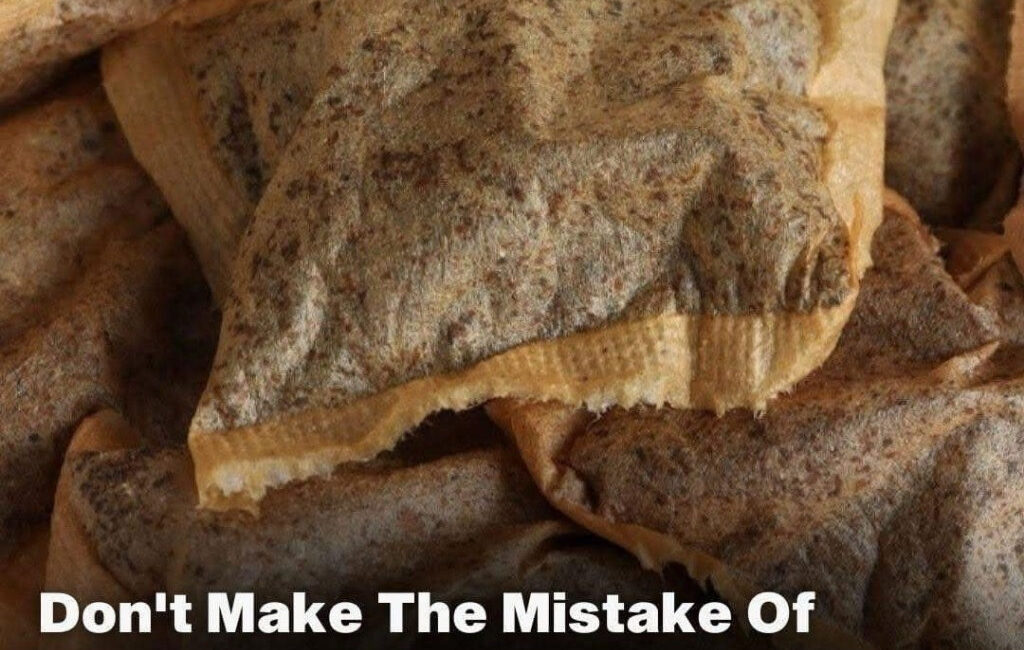
In essence, used tea bags are not just remnants of your morning ritual—they are tiny treasures waiting to be discovered. Don’t make the mistake of throwing them away; your skin, home, garden, and wallet will thank you.