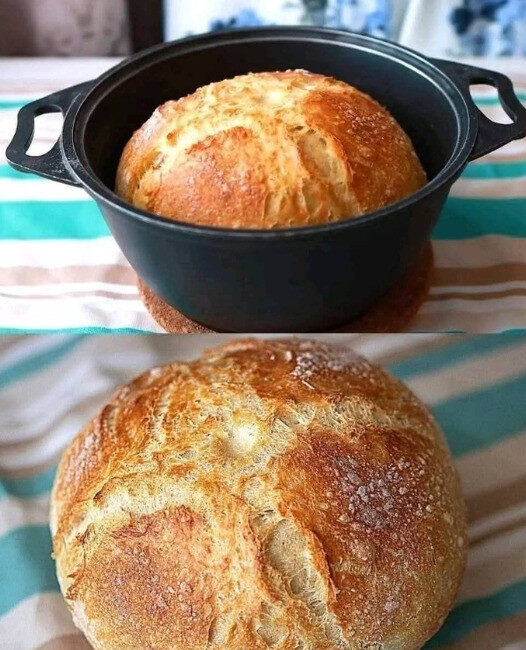
Even simple recipes can go wrong sometimes, especially for beginners. Here’s how to troubleshoot common bread issues:
| Problem | Possible Cause | Solution |
|---|---|---|
| Bread didn’t rise | Yeast inactive or killed by hot water | Use fresh yeast and warm (not hot) water |
| Dense texture | Not enough fermentation time | Let dough rest longer |
| Too sticky | Too much water or under-kneading | Add a bit of flour; handle gently |
| Pale crust | Low oven temperature | Preheat properly; bake longer without lid |
| Hard crust | Overbaking | Reduce baking time slightly |
Variations You Can Try
Once you’ve mastered this base recipe, the possibilities are endless. You can enhance your bread with flavors, toppings, or even different flours.
1. Whole Wheat Version
Replace half the bread flour with whole wheat flour. It adds nutty flavor, extra fiber, and a hearty texture.
2. Herbed Bread
Add 1–2 teaspoons of dried herbs like rosemary, thyme, or oregano to the dough. Perfect for serving with soups or pasta.
3. Garlic or Onion Bread
Mix in roasted garlic cloves or sautéed onions for a savory loaf with incredible aroma.
4. Seeds and Nuts
Sprinkle sunflower seeds, sesame, or chopped walnuts into the dough for extra crunch.
5. Sweet Bread Twist
Add a spoonful of honey or cinnamon sugar to make a breakfast-style loaf. While this technically adds a fifth ingredient, it’s a fun variation once you’ve nailed the basics.
How to Store Homemade Bread
Homemade bread doesn’t contain preservatives, so it won’t last as long as store-bought varieties. However, you can easily keep it fresh with proper storage.
- Room Temperature: Store in a paper bag or wrapped in a clean kitchen towel for 2–3 days.
- Freezing: Slice and freeze the bread in airtight bags. It lasts up to 3 months.
- Reheating: Toast frozen slices or warm them in the oven at 350°F for 10 minutes to revive freshness.
Serving Ideas: More Than Just a Slice
Your 4-ingredient bread is versatile — enjoy it in countless ways:
- Breakfast Toast: Top with butter, jam, or avocado.
- Sandwiches: Use it for grilled cheese or fresh deli-style sandwiches.
- Soups and Stews: Dip into creamy soups or hearty stews.
- Bruschetta: Add olive oil, garlic, and tomatoes for a Mediterranean treat.
- Bread Pudding: Use leftover slices to make a rich dessert.
Each use brings out a different side of your bread’s flavor and texture.
Tips for Perfecting Your Bread Every Time
- Be Patient: Long fermentation equals flavor. Don’t rush the rising process.
- Use a Kitchen Scale: Measuring by weight ensures consistency.
- Watch the Dough, Not the Clock: Temperature and humidity affect rising times.
- Score the Dough: A few slashes with a sharp knife let steam escape and improve the loaf’s shape.
- Steam Is Key: Always bake in a steamy environment for a crisp crust.
The Joy of Simplicity
There’s something deeply fulfilling about creating a loaf of bread with your own hands. You don’t need expensive tools or exotic ingredients — just time, patience, and four humble elements that have nourished humanity for millennia.
Flour. Water. Yeast. Salt.
That’s all it takes to turn your kitchen into a bakery and your home into a haven of warmth and comfort.
Homemade bread is more than food — it’s a symbol of care, effort, and tradition. Whether you bake it once a week or once a month, it connects you to something timeless, something beautifully human.
Beyond the Basics: Mastering Artisan Bread at Home
Once you feel confident with your 4-ingredient bread, you can start exploring artisan techniques to elevate your baking.
1. Cold Fermentation
Refrigerate your dough for up to 48 hours before baking. This slows down fermentation, developing a tangy, complex flavor reminiscent of sourdough.
2. Using a Banneton or Proofing Basket
These baskets help shape the dough and create beautiful patterns on the crust. Lightly dust them with flour before use.
3. Experimenting with Hydration
Try increasing the water content slightly to create a more open crumb and lighter texture. High-hydration doughs may be sticky but produce amazing results.
4. Scoring Techniques
Beyond function, scoring is an art form. Experiment with different patterns — a leaf, a cross, or simple slashes — to give your loaf a professional look.
The Cultural Beauty of Bread
Bread is one of the most ancient foods known to humankind. Every culture has its version — French baguettes, Italian ciabatta, Middle Eastern pita, Indian naan. Yet, all share the same foundation: flour, water, yeast, and salt.
When you bake this simple loaf, you’re joining a global tradition that transcends geography and time. Bread is more than sustenance — it’s community, sharing, and togetherness. It’s the centerpiece of family tables and celebrations around the world.
Final Thoughts: Everyone Can Make Bread
You don’t need to be a chef or a baking expert to make beautiful, delicious bread at home. You just need four ingredients and a willingness to try.
The process will teach you patience, precision, and appreciation for simple food. The reward? The sound of crust crackling as it cools, the joy of slicing into a warm loaf, and the pride of knowing you made it yourself.
Next time you crave that comforting aroma of fresh bread, don’t head to the store. Open your pantry, grab four ingredients, and create something extraordinary.
Because in the end, the best bread isn’t just made from flour and water — it’s made with love, patience, and a little bit of magic.