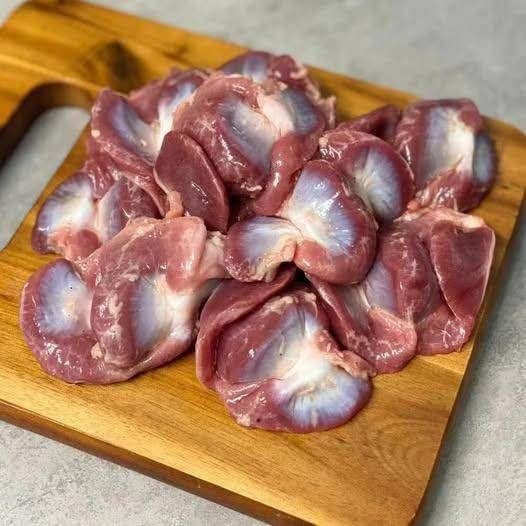
- Pressure cooked until tender, then sautéed
- Fried or breaded Southern-style
- Grilled on skewers, Mediterranean-style
- Slow-cooked in stews or soups
- Stir-fried with onions and peppers
- Simmered with turmeric and garlic for added anti-inflammatory benefits
Pro Tip: Boil gizzards until fork-tender, then marinate or pan-sear them for texture and flavor.
Ideal for Meal Prep and High-Protein Snacking
Chicken gizzards reheat well and maintain their flavor and texture when stored properly. Cook a batch on Sunday and enjoy throughout the week:
- Add to lunch bowls
- Toss into stir-fries
- Serve with eggs for breakfast
- Slice into wraps or lettuce cups
- Pair with avocado for a complete keto-friendly meal
Who Should Eat Chicken Gizzards?
Chicken gizzards are especially beneficial for:
- **Athletes and
fitness enthusiasts** seeking affordable, high-quality protein to support muscle growth and recovery.
- People with iron-deficiency anemia or those prone to low iron levels, such as menstruating women or endurance athletes.
- Keto and low-carb dieters who need nutrient-dense, low-carb, high-protein options.
- Anyone looking for natural sources of vitamin B12 to boost energy and cognitive health without relying on synthetic supplements.
- Budget-conscious families wanting to maximize nutrition without breaking the bank.
- Older adults who often face challenges absorbing nutrients efficiently and can benefit from bioavailable sources.
- Individuals recovering from illness or surgery who need nutrient-dense foods for tissue repair and immune support.
The Environmental and Ethical Benefits of Eating Chicken Gizzards
In addition to the health advantages, choosing chicken gizzards is also a sustainable and ethical way to consume meat.
- Using the whole animal reduces food waste, supporting a more eco-friendly approach to eating.
- Chicken gizzards are often sold at lower prices because they are less popular, so buying them supports nose-to-tail eating practices that reduce demand for resource-heavy meat cuts.
- Incorporating organ meats like gizzards into your diet encourages respect for the animal’s life, promoting responsible and thoughtful consumption.
Addressing Common Concerns About Chicken Gizzards
1. Are Chicken Gizzards Hard to Cook?
While they have a reputation for toughness, proper preparation—such as slow cooking, pressure cooking, or simmering—makes gizzards tender and delicious.
2. Do Gizzards Have a Strong Flavor?
Gizzards have a mild, slightly gamey taste but readily absorb seasonings, marinades, and sauces, making them very versatile in recipes.
3. Are Gizzards Safe?
As with all poultry products, ensure gizzards are cooked to an internal temperature of 165°F (74°C) to eliminate harmful bacteria.
4. Can Gizzards Fit Into Special Diets?
Absolutely! They’re naturally gluten-free, low in carbs, and rich in protein and micronutrients—perfect for paleo, keto, carnivore, and whole-food diets.
Delicious Chicken Gizzard Recipes to Try Today
To inspire you, here are some simple but flavorful ways to enjoy chicken gizzards:
Crispy Fried Chicken Gizzards
- Boil gizzards until tender
- Dredge in seasoned flour or cornmeal
- Deep fry until golden brown and crispy
- Serve with dipping sauces for a satisfying snack
Spicy Stir-Fried Gizzards
- Slice tenderized gizzards thin
- Stir-fry with garlic, ginger, chili peppers, and soy sauce
- Add bell peppers and scallions
- Serve over cauliflower rice or noodles
Slow Cooker Gizzard Stew
- Combine gizzards with carrots, onions, potatoes, garlic, herbs, and broth
- Slow cook for 4-6 hours until gizzards are tender
- Season with salt, pepper, and fresh parsley
- Serve hot with crusty bread
Grilled Gizzards Skewers
- Marinate gizzards in lemon juice, olive oil, paprika, and cumin
- Thread onto skewers with cherry tomatoes and onion slices
- Grill over medium heat until charred and cooked through
- Serve as an appetizer or protein-packed main
How to Store and Reheat Chicken Gizzards
- Store cooked gizzards in an airtight container in the refrigerator for up to 5 days.
- For longer storage, freeze cooked gizzards for up to 3 months; thaw overnight in the fridge.
- Reheat gently in a skillet or microwave to preserve texture.
Summary: Why Chicken Gizzards Are a Nutritional Powerhouse Worth Adding to Your Diet
To wrap it up, chicken gizzards are more than just an affordable organ meat—they are a rich source of bioavailable iron, zinc, vitamin B12, riboflavin, selenium, and high-quality protein that can replace or reduce the need for many popular supplements. They provide essential nutrients that support:
- Energy metabolism
- Immune defense
- Cognitive function
- Muscle growth and repair
- Hormonal health
- Skin, hair, and nail vitality
They are easy to prepare, versatile in recipes, and fit into various diets and lifestyles.
If you want to maximize nutrition, boost your health naturally, and save money on supplements and expensive meats, chicken gizzards deserve a starring role in your meal planning.
So next time you’re at the market, grab a pack of chicken gizzards and start reaping the benefits of this underrated superfood today!