- Leftovers: Once cooled, store in airtight container in fridge up to 3–4 days.
- Freezer: Place rolls and sauce in freezer‑safe container, freeze flat for up to 3 months. Thaw overnight in fridge and reheat gently.
- Reheating: Cover and reheat in a 325 °F (160 °C) oven for ~20–25 minutes or in a covered skillet with a splash of broth over medium‑low heat until warmed through.
Make‑ahead / Batch cooking
- You can assemble the rolls a day ahead, cover and refrigerate, then cook the next day.
- You can freeze pre‑cooked rolls — just ensure cooled, portioned, and well‑sealed before freezing.
- On cooking day: multiply the recipe based on number of diners or freezer needs — this recipe scales well.
Troubleshooting & common pitfalls
Let’s tackle potential issues so you don’t end up with soggy, falling‑apart, bland or uneven‑cooked rolls.
- Rolls fall apart during cooking: Likely either the leaf was torn or you over‑filled the leaf, or the seam was on top rather than underneath. Trim ribs more and don’t over‑stuff. Also ensure your base leaf layer prevents sticking.
- Rice is mushy inside rolls: Probably rice was over‑cooked before stuffing or cooked too long inside. Next time, cook rice al dente.
- Meat is dry or flavourless: Possibly too lean meat or insufficient seasoning. Use meat with good fat content and increase seasoning (salt, pepper, herbs).
- Sauce is too thin or watery: You might not have reduced it enough. In the last minutes of cooking remove lid and increase heat to reduce.
- Leaves are too tough or don’t roll well: Possibly the cabbage was under‑blanched or the rib too thick. Blanch sufficiently and trim the rib.
- Burnt bottom layer: Ensure the base of the pot is lined with shredded cabbage or a leaf layer; use a heavy‑bottom pot and low heat.
- Blah flavour: Don’t skip the brown sugar in the sauce (balances acidity), don’t skip herbs or seasoning in the filling, and allow enough cooking time for melding.
Variations by world cuisine
This stuffed cabbage roll dish has many regional spins. Here are some variations you can explore:
Eastern European (Polish, Ukrainian, Hungarian)
‑ Often use ground pork or a combination of pork + beef.
‑ Rice is common; sometimes barley.
‑ Tomato‑based sauce (sweet‑sour) or sometimes a creamy sauce.
‑ Common in holiday meals.
Middle Eastern / Lebanese (Malfouf)
‑ Use rice + ground beef (or lamb), with lemon juice, garlic, and mint.
‑ Sauce may be lighter, sometimes including lemon‑garlic water.
‑ Often stacked and simmered, not always individually rolled.
German (Kohlrouladen)
‑ Ground beef (sometimes pork) + bacon, onion; cooked in broth or gravy‑type sauce.
‑ Served with mashed potatoes or spaetzle.
Japanese (Roll Cabbage)
‑ Ground beef + pork mix, breadcrumbs, nutmeg; wrapped in cabbage, simmered in a demi‑glace/tomato‑based sauce. More of a “rolled cabbage” comfort food.
You can borrow elements (spices, sauce types, sides) from each variant for your own version.
Nutritional & cost‑effective considerations
Nutritional highlights
- High in protein via the meat.
- Cabbage provides fiber, vitamins (C, K) and low calories.
- Tomato sauce adds lycopene and additional nutrients.
- Rice adds carbohydrate energy; using brown rice ups fiber.
- If you use leaner meats or turkey, you can make a lighter version.
Cost effective tips
- Buy ground meat in bulk when on sale and freeze in portions.
- Use seasonal cabbage (often inexpensive) — a large head will yield many leaves.
- Use good quality rice but regular long‑grain works fine.
- Use canned tomatoes rather than fresh in off‑season to save money.
- Make a large batch and freeze leftovers — good “dinner ready” meals.
- Use leftover sauce or make double sauce and freeze half for next time.
Final Thoughts
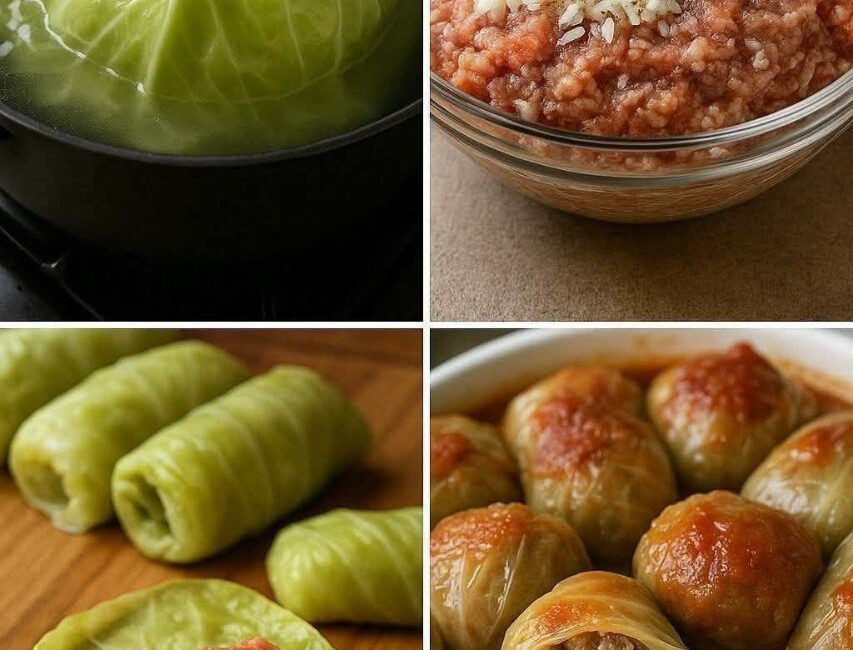
This stuffed cabbage roll with meat recipe is a delicious, versatile, and comforting meal that rewards the effort. Once you’ve mastered the technique — blanching the cabbage, making a well‑seasoned filling, rolling neatly, layering in a flavourful sauce and simmering slowly — you’ll have a dish that’s perfect for family dinners, special occasions or make‑ahead meals.
Don’t rush it. Respect each component: the wrapper, the filling, the sauce. The extra minute trimming the cabbage rib, the extra teaspoon of herbs, the final reduction of sauce — all contribute to elevated results. You’re not just stuffing meat into cabbage; you’re creating a layered, cohesive dish where each bite delivers flavor, texture, warmth.
So gather your ingredients, clear some time (you’ll need prep + cook time of maybe 90–120 minutes), roll up your sleeves and get ready to impress. Serve with pride, share with family, and enjoy the leftovers.