When embarking on a bathroom remodeling project, you might expect dust, cracked tiles, or outdated plumbing. What you don’t expect to find—tucked away behind walls or under an old vanity—is a mystery that harks back to decades past. Imagine this: during a standard home improvement project, you stumble upon small glass tubes, roughly 2 inches in length, sealed tight and containing an unidentified liquid.
Is it dangerous? Is it valuable? Is it just old junk? This kind of discovery sparks not only curiosity but concern, especially when it comes to hazardous waste identification, vintage collectibles, or residential safety.
This article will explore the many possibilities behind these enigmatic objects—from vintage perfume ampules to medical or laboratory relics, and from hidden substances to archived beauty products. We will dive into the historical context, potential uses, health and safety implications, and what you should do if you encounter something similar in your home.
Initial Discovery: The Context of the Find
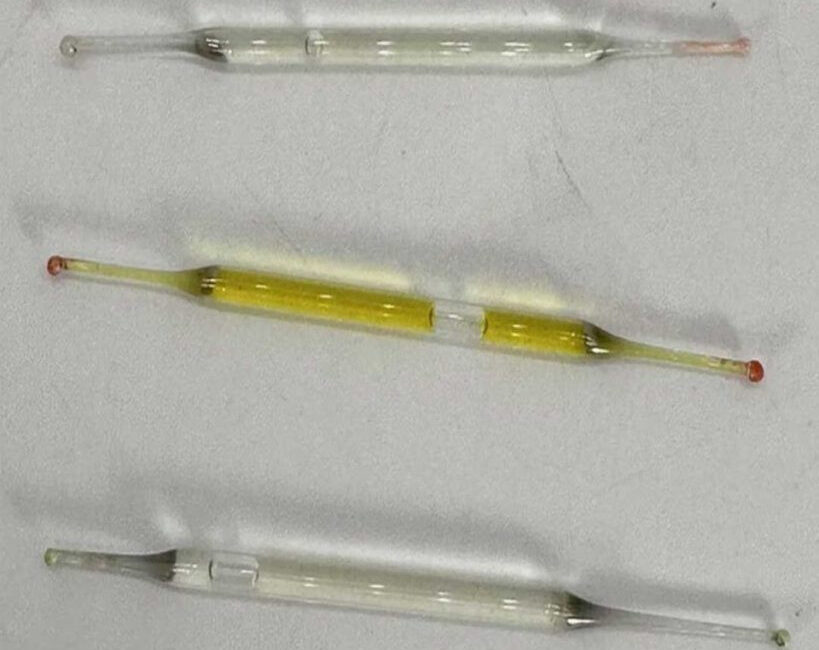
During bathroom renovations, contractors often expose parts of a home that haven’t seen the light of day in decades. Beneath a vanity cabinet or wedged between old floorboards, you might find strange artifacts left behind by previous homeowners. In this case, the items in question are:
- Small glass tubes
- Around 2 inches long
- Sealed at both ends
- Containing a liquid, ranging in color from clear to amber
- No labels, branding, or identifying marks
These characteristics can make it difficult to determine the nature and origin of the items. However, there are several plausible theories that align with common discoveries during mid-century home remodeling.
Physical Description: Not Just Any Glass Tubes
Understanding the exact appearance of these items is crucial for any kind of object identification. These tubes are typically:
- Slender and cylindrical, like ampules or mini test tubes
- Often made of thin, fragile glass
- Sealed ends, not corked or screwed
- No apparent openings, suggesting they were never meant to be reused
- The liquid inside could be perfumed, oily, watery, or viscous
The fact that they are completely sealed with no way to open them without breaking the glass indicates that they were manufactured for single-use or controlled use, common in the fields of medicine, fragrance, or laboratory sciences.
Theory 1: Vintage Perfume Ampules or Fragrance Samples
One of the most compelling theories is that these tubes were once perfume ampules, popular between the 1950s and 1970s, when small, portable beauty products were in high demand. These ampules were often included in gift sets, travel kits, or even provided as samples by cosmetics companies.
Why Perfume Ampules Make Sense:
- Their small size makes them perfect for one-time use.
- They were commonly sealed to prevent evaporation.
- The liquid inside might still retain a fragrant scent.
- Some vintage ampules came without labels, especially promotional or generic stock.
During that era, beauty was marketed as luxury, and having miniature vials of expensive French perfume, even in a working-class home, was not uncommon. These ampules were often tucked into bathroom vanities, forgotten after a few decades.
High-Value Keywords Related:
- Vintage perfume vials
- Collectible fragrance samples
- Antique beauty products
- Luxury cosmetic ampules
- Fragrance authentication
If you’ve found these tubes during your home remodeling, it may be worth testing for scent and checking with antique appraisers or collectors, as some of these vintage fragrance ampules are valuable today.
Theory 2: Medical Ampules or Pharmaceutical Samples
Another explanation is that these are medical ampules, a type of glass container used to store sterile liquid for injections or oral consumption. These were common from the early 1900s through the 1980s before being replaced by more user-friendly containers.
Possible Clues:
- Amber coloration of the liquid, which could be a preservative solution.
- Lack of labeling, typical in small-batch pharmacy practices or expired inventory.
- Fragile glass, often used in single-use medicines or vaccines.
During earlier decades, it wasn’t uncommon for people to keep medical supplies at home, especially if a family member had a chronic illness, or if they worked in the medical field.
Concerns to Note:
- Some old ampules may contain controlled substances.
- Potential biohazards or chemical burns from unknown liquids.
- Risk of exposure to toxic compounds like formaldehyde, phenol, or mercury-based preservatives.
High-Value Keywords:
- Toxic chemical disposal
- Medical waste identification
- Vintage pharmaceutical ampules
- Residential health hazard
- Hazardous material removal
If you believe what you’ve found could be medicinal in nature, do not open or handle them directly. Instead, contact your local hazardous waste disposal agency or a licensed toxicologist for further evaluation.
Theory 3: DIY Beauty or Home Remedies
The 1950s–70s were a golden era for home remedy culture. Housewives often stored self-mixed concoctions in hidden nooks, away from sunlight. It’s possible these tubes contain mixtures of:
- Essential oils
- Tinctures
- Home-brewed skincare remedies
- Hair tonics or scalp treatments
These were sometimes sealed in glass tubes for longevity and kept out of children’s reach. In the absence of modern packaging, homeowners improvised with whatever vessels they had—often leftover ampules or pharmaceutical containers.
Theory 4: Pest Control Substances or Insecticides
Another possibility is far less romantic: these glass tubes might have been insecticide ampules used for termite or roach control.
Many old pest control treatments involved:
- Liquid poisons stored in sealed glass containers
- Mercury-based insecticides
- Organophosphate or DDT compounds
Contractors in the 1960s and 70s used these ampules behind walls, in floorboards, or beneath vanities to deter pests.
Red Flags:
Click page 2 for more