Issue: Mineral keeps returning too quickly
If you clean, it looks good, but within weeks heavy deposit returns:
- You may have very hard water. Consider a water softener.
- You may not be drying water droplets after use—start the “wipe after each use” habit.
- Check check for leaks or dripping spout (slow drip means mineral deposits form continuously). Fix leaks to reduce constant moisture.
Issue: Faucet is leaking or difficult to move
If mineral deposits have entered moving components (handles, cartridges) the faucet could operate poorly. In such cases:
- Turn off water supply, remove handle and clean internal parts (cartridge, O‑rings) from mineral deposit.
- Lubricate with plumber‑approved lubricant.
- If the cartridge is corroded or stuck, replace it or the faucet.
Issue: Coating damage (matte black, designer finish)
Once a coating is damaged (peeled, discoloured), cleaning won’t restore it. Either accept a less‑than‑perfect look or replace fixture. After replacement, adopt the “dry after each use” + mild cleaning habit.
Step‑by‑Step Recap: Restore Your Shower Faucet in One Day
Here’s a practical one‑day schedule:
Morning / Pre‑work
- Turn off water supply if necessary. Lay towel under base.
- Wipe down faucet to remove loose debris.
Midday / After Use
- Choose your cleaning method (vinegar or citric acid descaler).
- Soak hard‑mineral areas (bag method, cloth wrap) for 30‑60 minutes.
Afternoon / Work
- While soaking, you might clean the rest of the bathroom (tiles, shower head) so that by afternoon you’re ready for step 3.
Early evening
- Remove soak wrap, scrub gently with sponge/brush around tough areas.
- Rinse thoroughly with warm water.
- Dry and buff with microfiber.
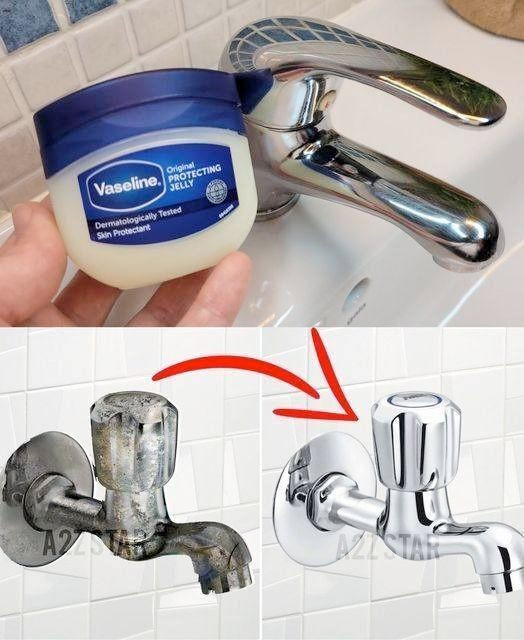
- Apply metal polish or protective wax.
Final check
- Turn on faucet, check flow, check handles.
- Verify no leaks.
- Admire shiny finish—if any spots remain, repeat a targeted soak overnight.
Next day
- Adopt the habit: wipe faucet dry after each shower; plan a light wipe cleaning twice a month; inspect aerator quarterly; candidate water softener evaluation if in hard water zone.
Why This Investment Is Worth It
- A clean, shiny faucet significantly improves the look and feel of your bathroom. It gives a premium, well‑maintained impression.
- Removing limescale improves functionality: smoother water flow, less spraying, less drip.
- Cleaning it extends the lifespan of your fixture—avoids corrosion, cartridge damage, early replacement.
- Preventing crust build‑up makes future cleanings far easier—saving time and effort.
- If you ever prepare your home for sale or rent, a “like new” faucet is a small detail that adds to value and buyer confidence.
- If you have a water softener installed or plan to, keeping fixtures free of crust helps the system stay effective and avoids extra maintenance.
Final Thoughts
Limescale on a shower faucet might seem like just cosmetic fluff, but it’s a symptom of a bigger issue: hard water interacting continuously with your fixture, and a cleaning lag. The good news is that with the right method—you can make the faucet look like new again. The “secret” lies in soaking deposits with a suitable acid solution, gentle manual work, thorough rinse and buff, and then committing to a prevention routine.
For optimum results:
- Choose a method that’s safe for your finish (citric acid over acid if necessary).
- Never rush the soak or skip the rinse.
- Dry after each use.
- Use mild cleaning regularly.
- Protect the finish with wax or sealant.
Follow the detailed roadmap above and your shower faucet can go from crusted, dull and worn to restored, gleaming and functional. It becomes not just clean—but like new.